
Last updated November 23, 2026
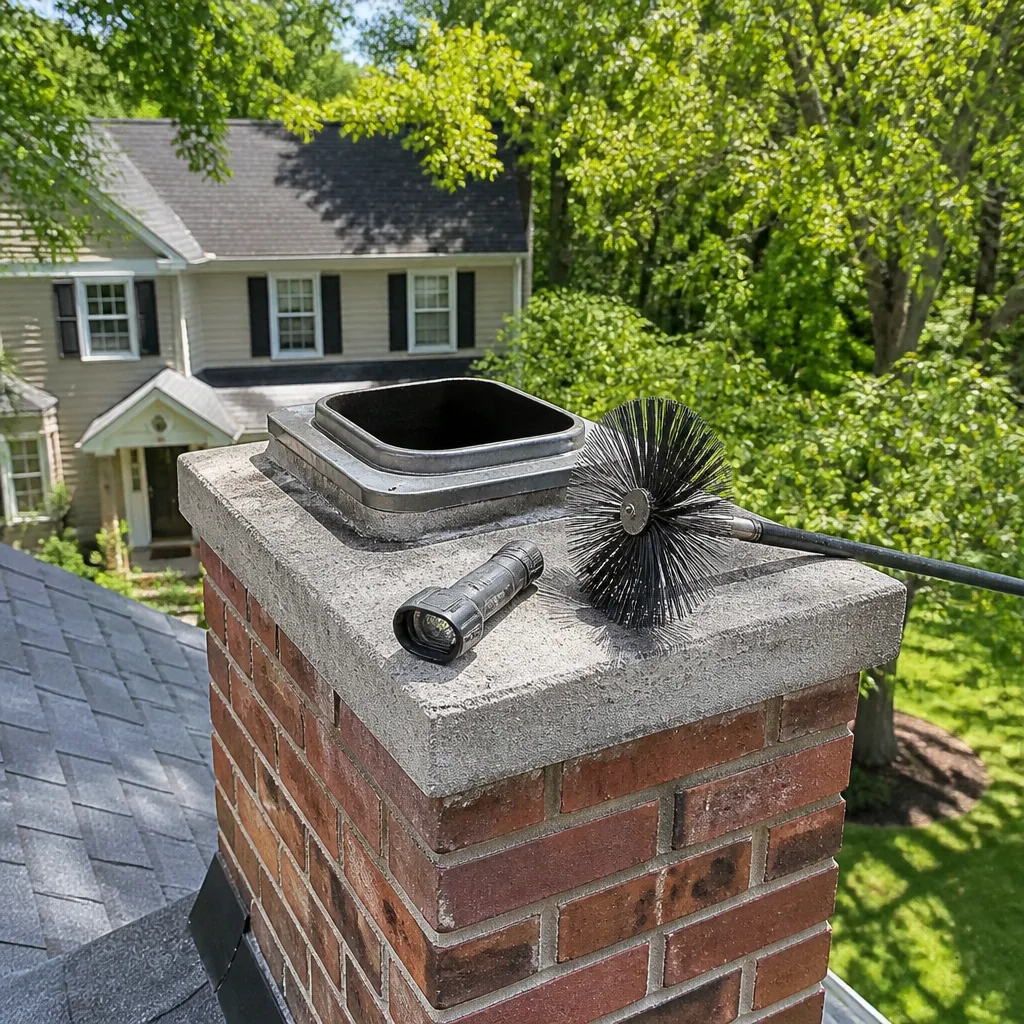 Sweep & inspection
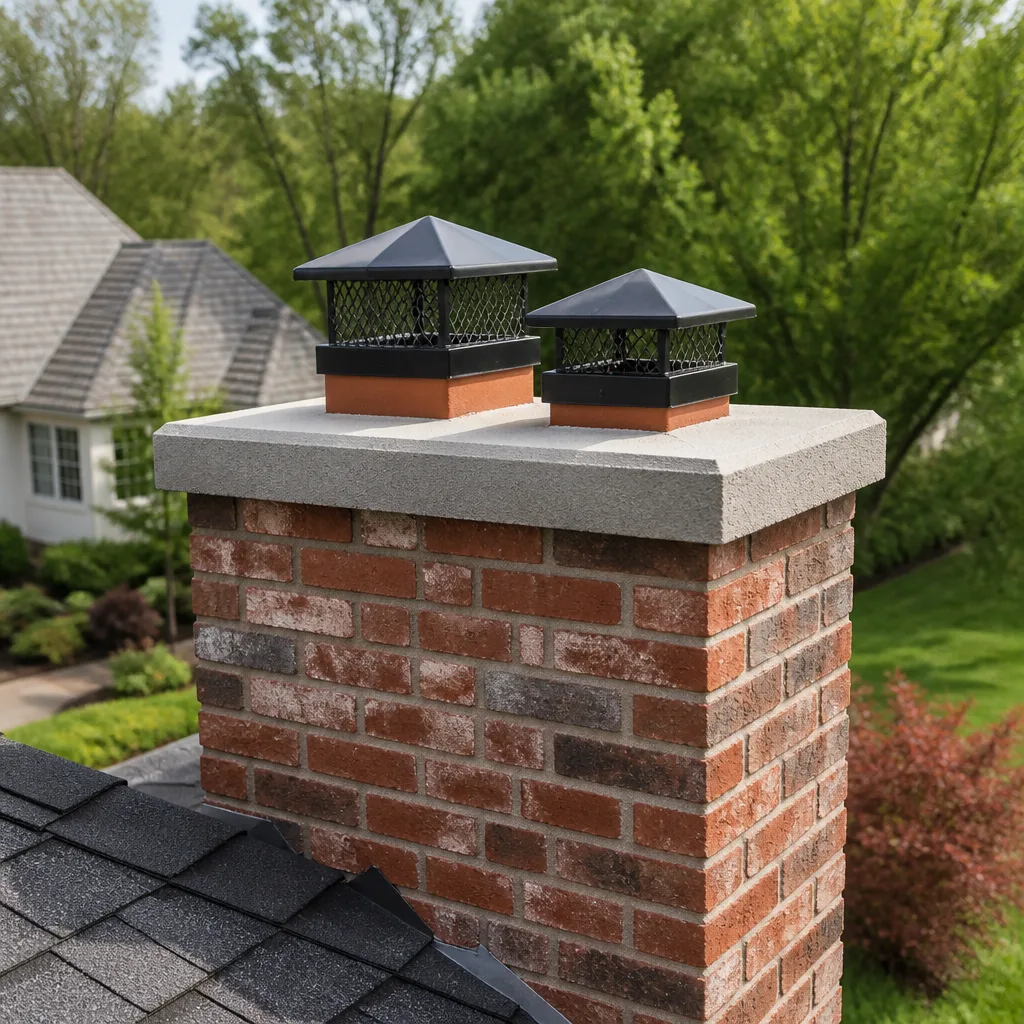 Caps & crowns
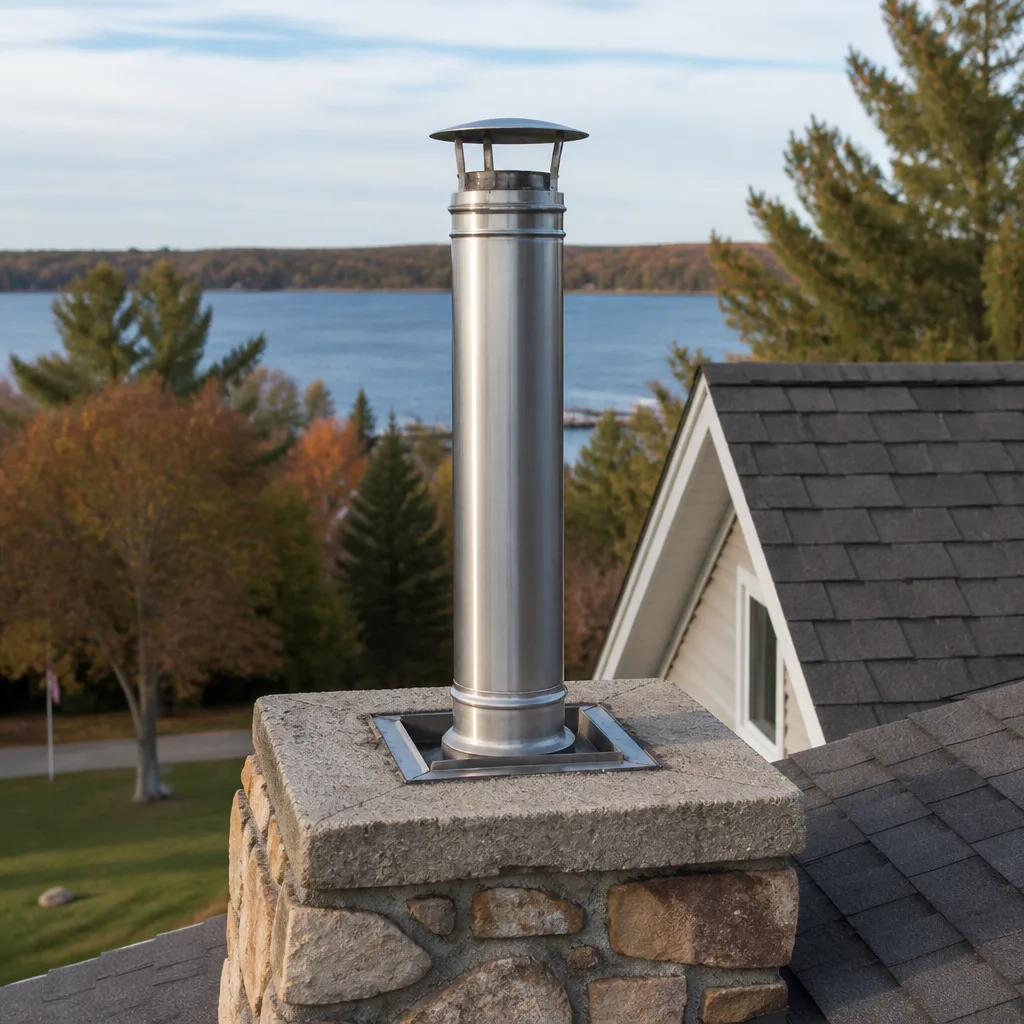 Flue relining
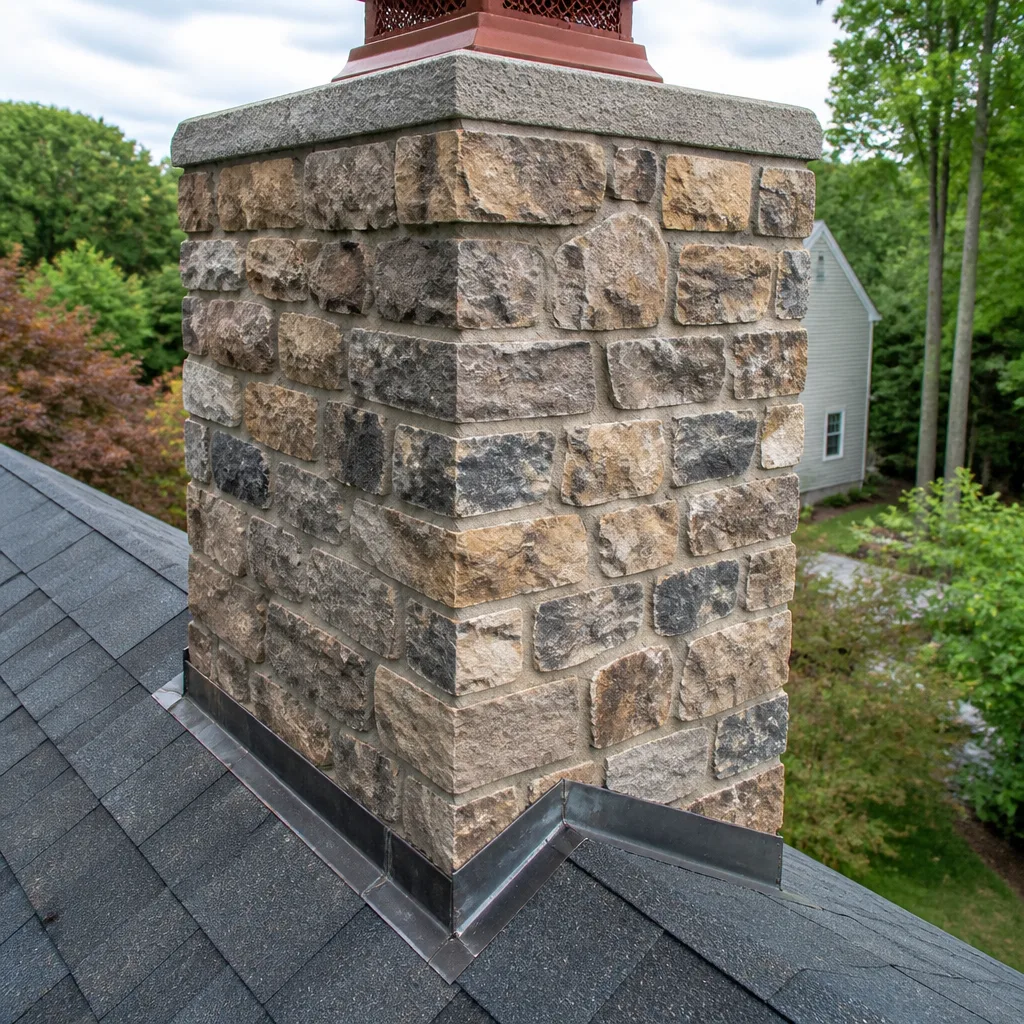 Masonry repair
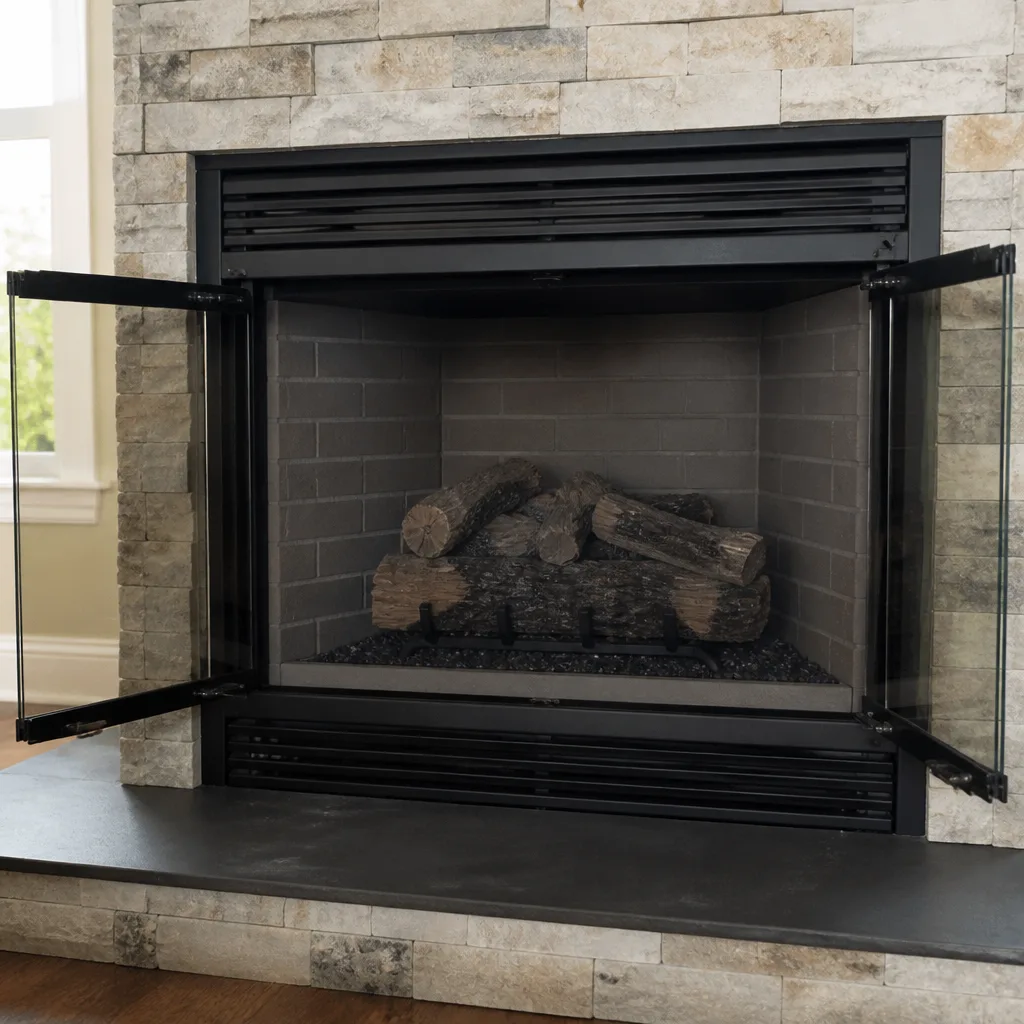 Gas fireplace service
Level 1 sweep and inspection to the NFPA 211 annual standard - flue, crown, cap, and flashing checked and photographed
Chimney sweep logs do not sweep chimneys. They loosen some creosote - which then falls where a brush and vacuum still have to collect it.
Choosing the Right Chimney Cleaning Brand: A Buyer’s Guide for Hampden
There are four or five liner manufacturers whose products are specified by certified chimney professionals, and then there’s everything else sold retail. The gap in material quality isn’t minor: it’s the difference between a liner rated for 2,100°F continuous and one that isn’t rated for chimney fire temperatures at all. When a sweep in Hampden recommends a specific liner, cap, crown sealant or creosote treatment, that recommendation ought to be traceable to technical performance, not to what a distributor is pushing that season. This guide walks through the product categories you’ll encounter during a chimney service, what each one actually does, how the UL listing system works, and how to check a contractor’s material recommendation before you approve the work.
Quick Answer
The right chimney products in Hampden are the ones with a verifiable UL listing, a named manufacturer, and an installation method that matches the manufacturer’s written specifications. For flue liners that means a UL 1777-listed flexible stainless system from a professional-tier maker such as DuraFlex; for caps and crowns it means stainless or copper over galvanized where longevity matters; and for creosote it means a professional cleaning, not a retail sweep log. A contractor who can name the product and model number, show you the listing, and explain why that product fits your flue is giving you a technical recommendation. One who can’t is giving you a sales pitch.
Styles & brands we work with
- Sweep & inspection
- Caps & crowns
- Flue relining
- Masonry repair
- Gas fireplace service
Table of Contents
- Why the Brand Behind the Product Matters
- Flue Liners: Flexible Stainless, Rigid, and Cast-in-Place
- Chimney Caps: Galvanized, Stainless, and Copper
- Crown Sealants and the Moisture Problem
- Creosote Modifiers and Chimney Sweep Logs
- The UL Listing System for Chimney Components
- How to Evaluate a Contractor’s Material Recommendation
- HeatShield Resurfacing vs. Full Relining
Why the Brand Behind the Product Matters in Hampden
A chimney is a system, and every component in it works under conditions that punish cheap materials. In Hampden, the swing between a cold Front Range winter and a dry, hot summer puts real stress on masonry and metal alike. Flues see rapid heating and cooling. Crowns crack when water freezes in hairline fissures. Caps take hail and wind. A product that performs fine in a mild climate can fail here in a handful of seasons.
The brands a chimney specialist chooses tell you how they think about that. We work with a curated roster of professional-tier manufacturers: DuraFlex, HeatShield, Gelco, Olympia Chimney, Famco, and Copperfield. These aren’t the names you’ll find on a shelf at a big-box store. They’re the names specified in trade work because their listings, tolerances, and warranties hold up.
- Professional-tier materials carry documented listings and manufacturer installation specs.
- Retail materials are often sold without a listing appropriate to the application, or with a listing that doesn’t match how they’re being used.
- The difference shows up over time in how the component handles heat cycling, moisture, and a chimney fire if one happens.
When someone recommends a product to you, the useful question isn’t “is this a good brand?” It’s “what is this specific product listed for, and does it match my flue?” That’s the standard we hold our own recommendations to, and it’s the standard you should hold any contractor to in Hampden.
Flue Liners: Flexible Stainless, Rigid, and Cast-in-Place
If your chimney has a damaged, missing, or oversized clay tile liner, a new liner is the single most consequential product decision you’ll make. The liner is what contains combustion gases and limits the heat that reaches nearby framing. There are three broad categories, and each fits different situations.
Flexible stainless steel liners
This is the workhorse for most residential relining. A corrugated stainless tube is pulled down the flue and connected to the appliance. DuraFlex flexible liner systems are an industry benchmark for relining aging or damaged flues, and they’re what we install when a masonry flue needs a safe, continuous interior surface. Flexible liners handle offsets and modest bends in the flue, which many older Hampden masonry chimneys have.
Rigid stainless liners
Rigid sections are appropriate for straight flues and offer a smoother interior, which can improve draft. They’re less forgiving of offsets and require more precise fitting. For the right chimney, they’re an excellent choice; for the wrong one, they don’t fit at all.
Cast-in-place liners
Cast-in-place systems are poured or troweled insulation that forms a new flue interior around a form. They’re used in specific structural situations and are a bigger, more involved job. They aren’t a universal substitute for a properly sized stainless liner.
Whichever route fits your flue, the liner carries a listing (more on UL 1777 below), and the installation has to follow the manufacturer’s specification for clearance, insulation, and appliance connection. A liner installed to spec is a durable fix. A liner installed loose or oversized-for-application is a patch, and we don’t install patches. When you’re deciding whether relining is even necessary, our chimney sweep and inspection visit starts with camera evidence you can see.
Chimney Caps: Galvanized, Stainless, and Copper
A chimney cap is the first line of defense against water, animals, and sparks. It’s also one of the cheapest components to get right and one of the most commonly under-specified. There are three material tiers, and they behave very differently in Hampden’s weather.
- Galvanized steel is the budget option. It’s functional, but its protective zinc coating degrades faster under freeze-thaw cycling and hail, so it tends to be a shorter-lived cap.
- Stainless steel resists corrosion far better and is the sensible default for a cap you expect to keep. Famco and Copperfield make caps in this category that we install and work with.
- Copper is the long-term choice. It weathers to a stable patina and holds up to the elements for the life of the chimney in most cases, though it’s the higher-cost option.
The cap also has to be sized correctly for the flue and the appliance. An undersized or poorly fitted cap can restrict draft or fail to keep out water and wildlife. Our chimney cap & crown work treats the cap and the crown as one moisture-control system, because that’s how water actually gets in: past the cap, through a cracked crown, down into the masonry.
If your current cap is a rusty galvanized unit that’s been on the chimney for a decade or more, replacing it with stainless is usually one of the best value moves you can make. Catching the problem at the crown before it reaches the firebox is the whole point.
Crown Sealants and the Moisture Problem
The crown is the concrete or mortar cap at the very top of the chimney that sheds water away from the masonry below. A cracked crown is the leading cause of long-term chimney damage: water gets into the masonry, freezes, expands, and progressively opens the structure up. In Hampden, where a wet fall can turn to hard freeze, that cycle repeats through the winter and does real damage.
Crown sealants are flexible coatings that bridge hairline cracks and keep water out. They’re a legitimate repair when the crown is structurally sound but cracked. They are not a fix for a crown that’s crumbling, separated from the flue, or missing its slope.
Two things determine whether a crown sealant works:
- Surface preparation. The crown has to be clean, dry, and properly prepped, or the coating lifts and fails early.
- Product compatibility. The sealant has to be appropriate for the crown material and the local freeze-thaw cycle. Some products are far more flexible than others.
If a crown needs rebuilding rather than sealing, that’s a masonry job. We do both: reseal where sealing is right, rebuild where it isn’t. A contractor who only offers one answer to every crown problem is telling you something about their capability.
Creosote Modifiers and Chimney Sweep Logs
Retail chimney sweep logs are the single most misunderstood product in this trade. Let’s be precise about what they can and can’t do, because homeowners in Hampden ask us about them constantly.
What sweep logs can do
A sweep log is a chemical product burned in the firebox that’s designed to make Stage 1 creosote (the soft, flaky, soot-like deposit) more brittle so it’s easier to brush off during a professional cleaning. Used that way, it can make a cleaning slightly more effective.
What sweep logs cannot do
A sweep log does not replace a professional cleaning. It does not remove creosote from the flue. It does not treat Stage 2 creosote (the hardened, glazed deposit) or Stage 3 creosote (the dense, tar-like deposit that’s the real fire hazard). And it does not address a damaged liner, a cracked crown, or a blocked flue.
Professional-grade creosote treatment chemicals are a different category. They’re formulated at higher concentrations, require specific dwell times, and have handling requirements that make them unsuitable for retail sale. They’re applied by a technician who understands which stage of creosote they’re dealing with and how the product interacts with the flue material. Those are reasons they’re not sold over the counter: they need to be applied correctly, and misapplication can damage a liner or create a hazard.
If a company suggests you can skip cleaning because a log handles it, that’s a red flag. Creosote removal is a mechanical job. The chemical products support the cleaning, not the other way around.
The UL Listing System for Chimney Components
UL listings are how you verify that a product has actually been tested for a specific use, rather than simply manufactured to look like it. For chimney components, the relevant listings are specific, and knowing them changes how you read a contractor’s recommendation.
The most important one for relining is UL 1777, the listing standard for chimney liners. A liner carrying UL 1777 has been tested to contain flue gases and withstand the temperatures a chimney can produce, including during a chimney fire. A liner without that listing is not rated for the application, regardless of how it looks or what the label on the box says.
Beyond UL 1777, the standard questions look like this:
- What is the product? Get the manufacturer name and the model number. “A stainless liner” is not enough.
- What is the product listed for? The listing tells you the exact application it was tested for. The product has to match your appliance and flue.
- How does the installer confirm the listing? The listing reference is on the product documentation. A professional can point you to it.
- Does the installation follow the manufacturer’s written specification? This is what determines both performance and warranty. A listed product installed incorrectly is not a listed installation.
When we install a liner, cap, or crown system, the product’s listing and the manufacturer’s installation specs are the two documents that govern the job. That’s how professional-grade work is supposed to happen. It’s also how a warranty stays valid: installing outside the manufacturer’s spec can void the warranty on the product you paid for.
HeatShield Resurfacing vs. Full Relining
Not every deteriorated flue needs a full liner. HeatShield is a resurfacing system that restores a damaged clay tile liner by applying a proprietary coating to the interior, rebuilding the flue surface where the clay has cracked or spalled without installing a new stainless liner. It’s a specialized solution most sweep-only companies cannot offer, and it’s one that’s applicable when the underlying tile is still structurally sound and the damage is at the surface.
When HeatShield is the right answer versus a full reline depends on the condition of the flue. That’s why the evaluation comes first. Our Chimney Sweep Hampden team runs a camera inspection before recommending either route, and the recommendation is tied to what the camera shows:
- Surface damage with sound tile can often be restored with HeatShield resurfacing.
- Missing, disconnected, or failed tile generally calls for a full stainless reline.
- An oversized flue for the appliance may need a correctly sized liner for draft reasons.
We offer both, and that matters. A company that only sells liners will recommend a liner. A company that can restore a flue without relining has a reason to look harder before recommending the bigger job. Your chimney system, fully evaluated, is the goal, not just swept.
How to Evaluate a Contractor’s Material Recommendation
A material recommendation is only as good as the reasoning behind it. Here’s a simple framework you can use with any chimney contractor in Hampden, whether it’s us or someone else.
- Ask for the product name and model number. A vague “high-quality stainless liner” isn’t a recommendation, it’s a description. The model number lets you check the listing yourself.
- Look up the UL listing. The manufacturer’s documentation will state the listing and the applications it covers. If the company can’t tell you what listing applies, that’s a real problem.
- Ask where the installation will follow the manufacturer’s spec. A professional should be able to describe how the product is meant to be installed for your flue, not just that it will be.
- Ask what the alternative would be. If the only option on the table is a full reline, ask why a resurfacing approach isn’t appropriate. If the only option is a repair, ask why a liner isn’t needed. A specialist can explain the decision both ways.
- Confirm the warranty terms. The product warranty is tied to correct installation, so the conversation about the warranty is the same conversation about installation quality.
We’ve built our service around being able to answer these questions. We install professional-grade materials and can specify exactly what we’re putting in your chimney. If a recommendation doesn’t come with a product name and a listing, ask for one before you sign anything. Built to last, not patched to pass, is the standard, and it’s verifiable.
See the difference
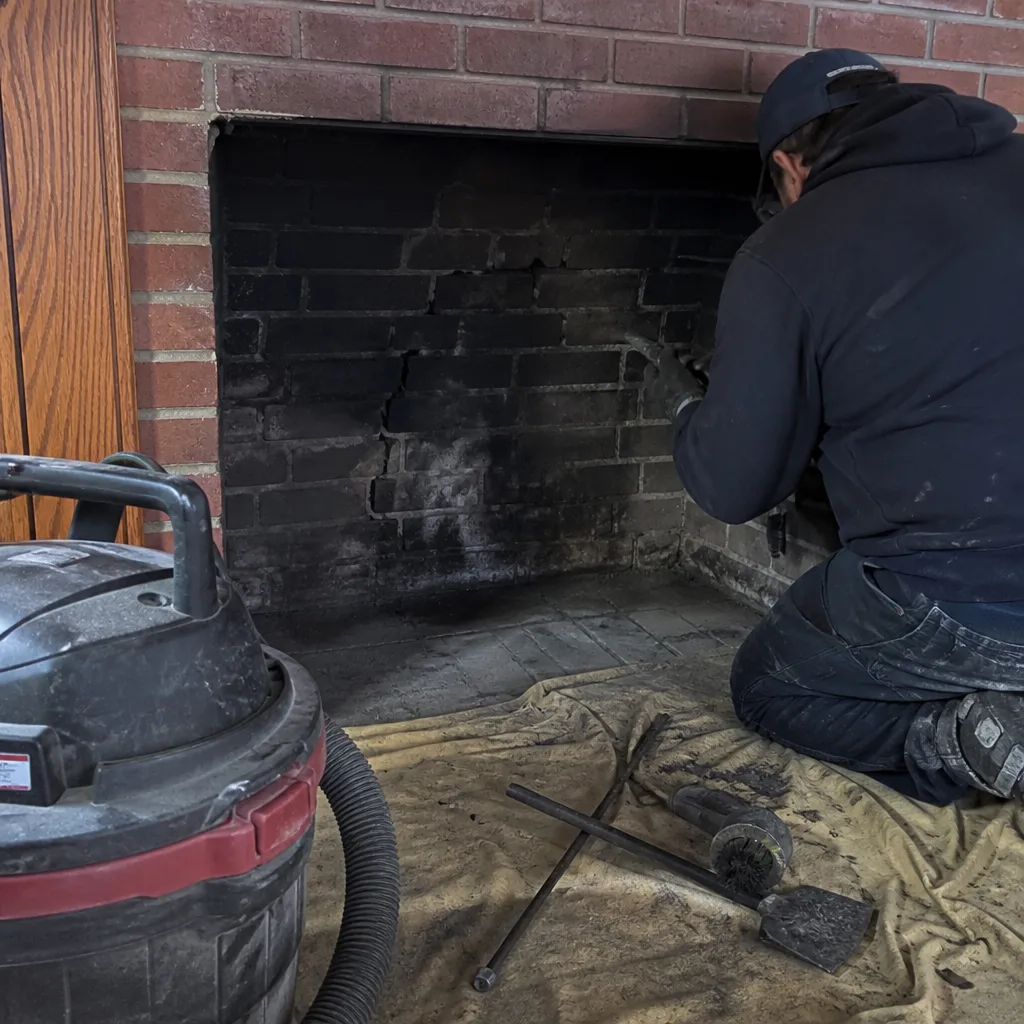 Before
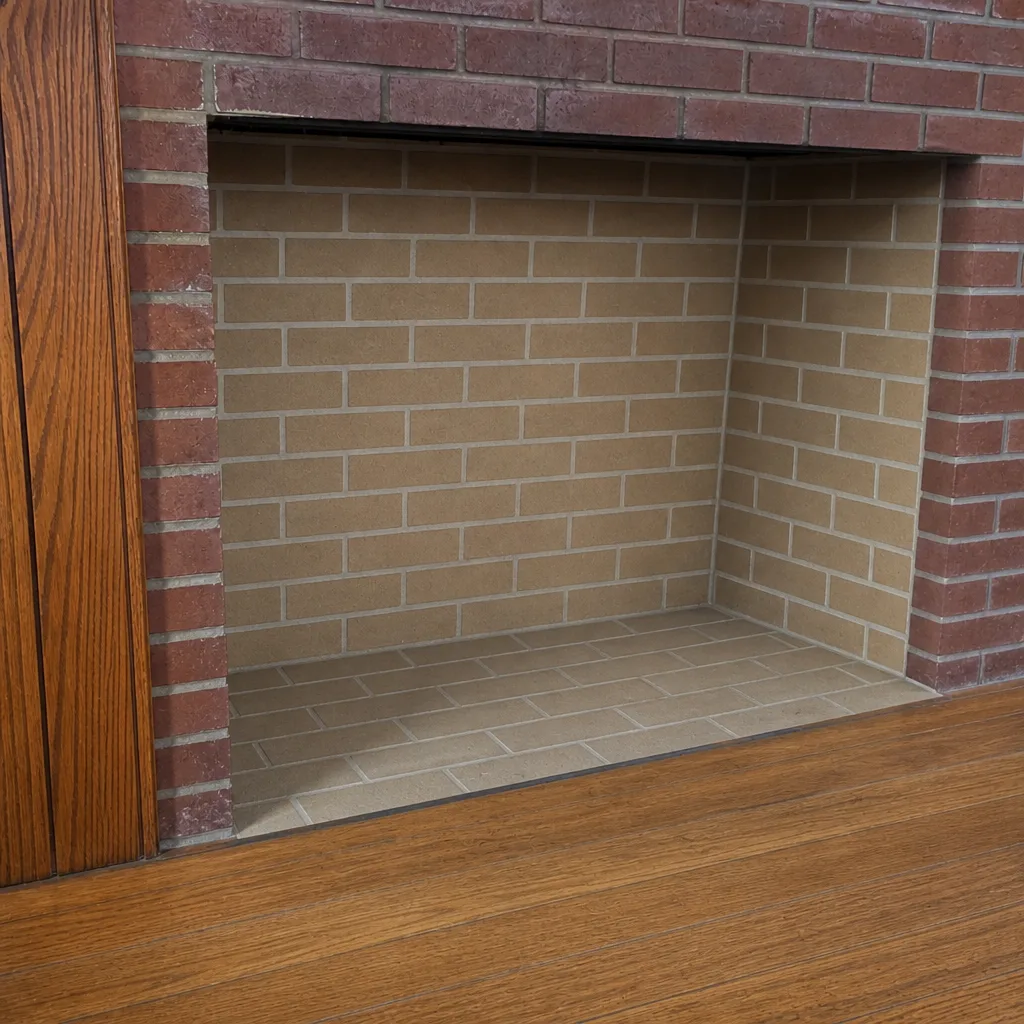 After
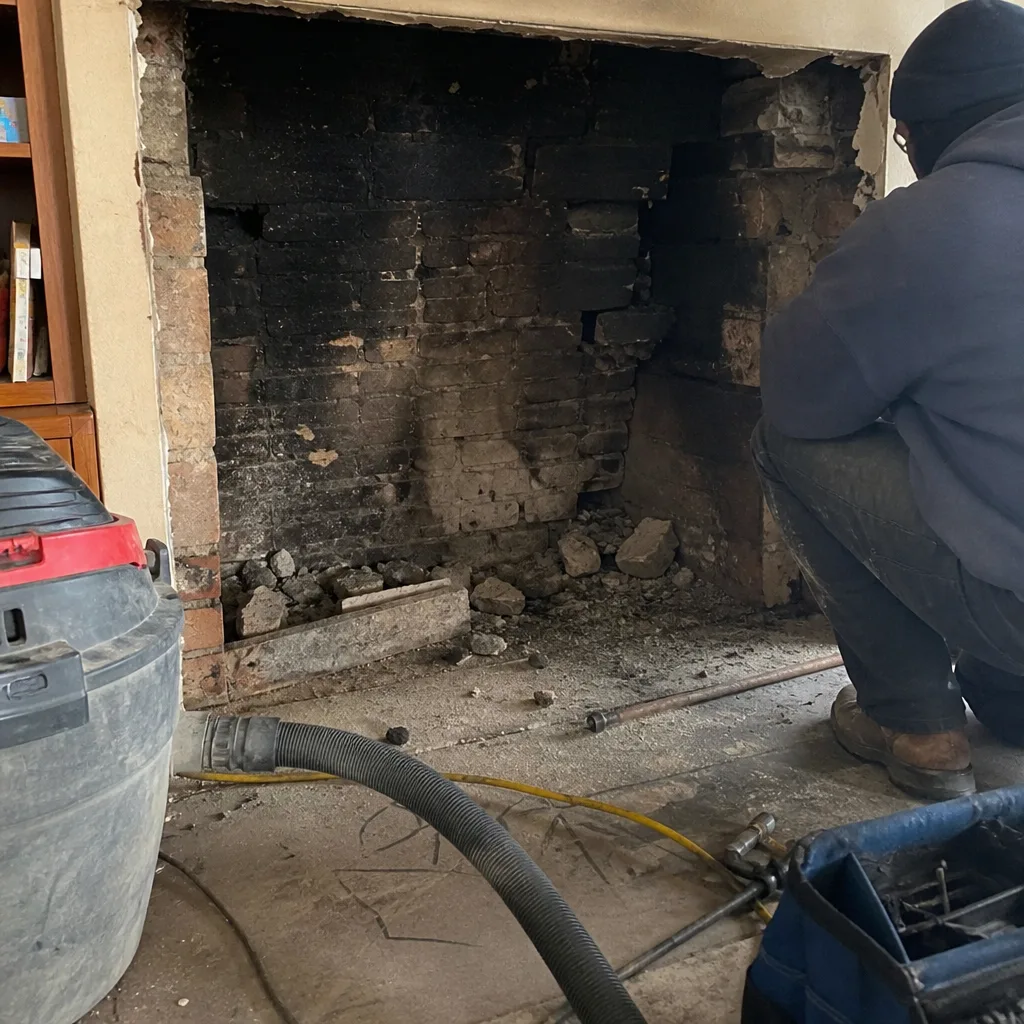 Before
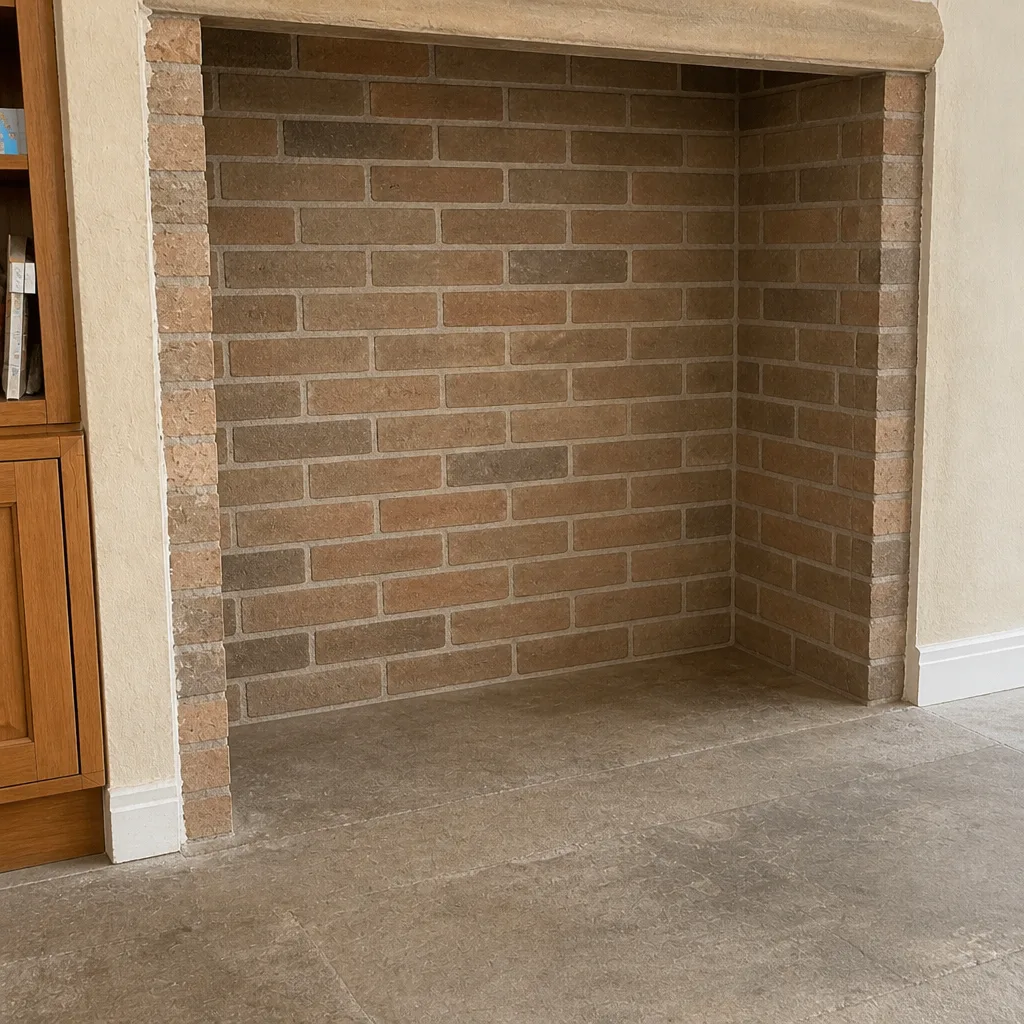 After
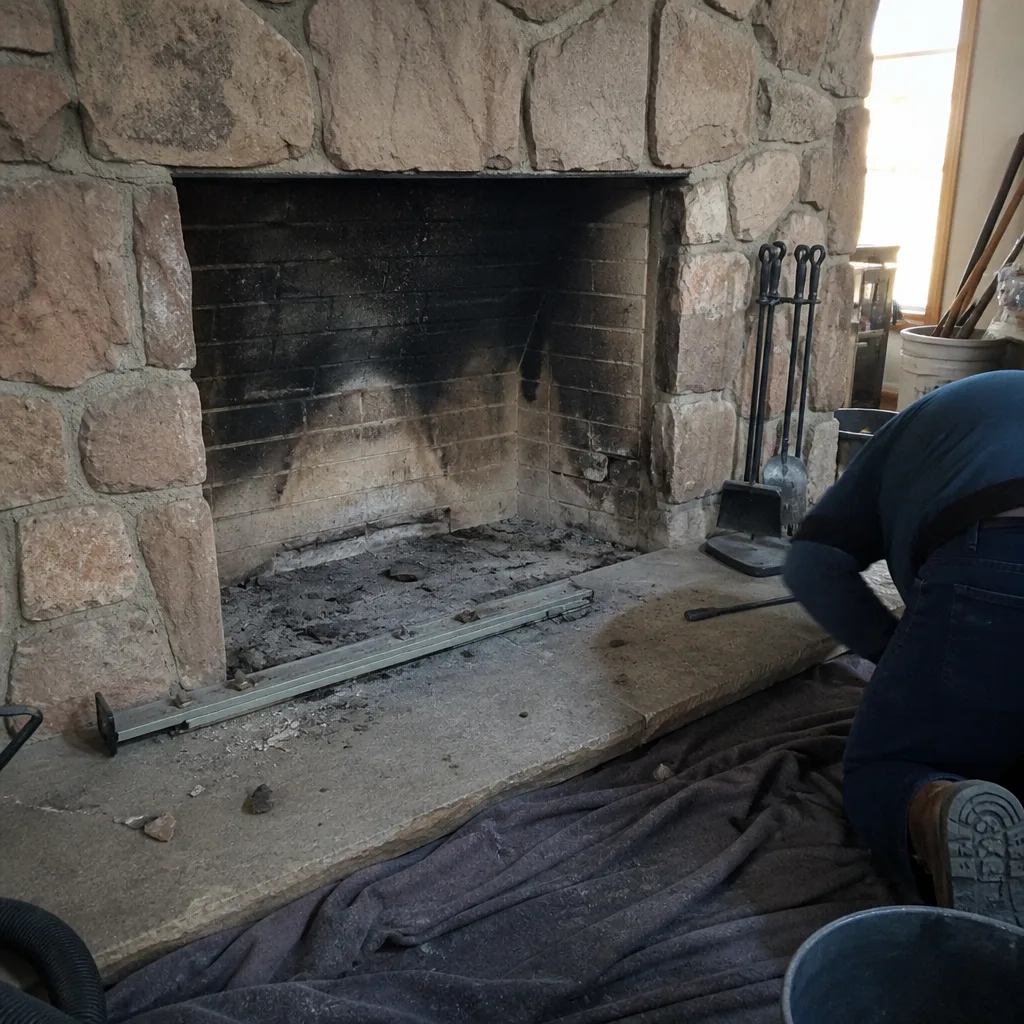 Before
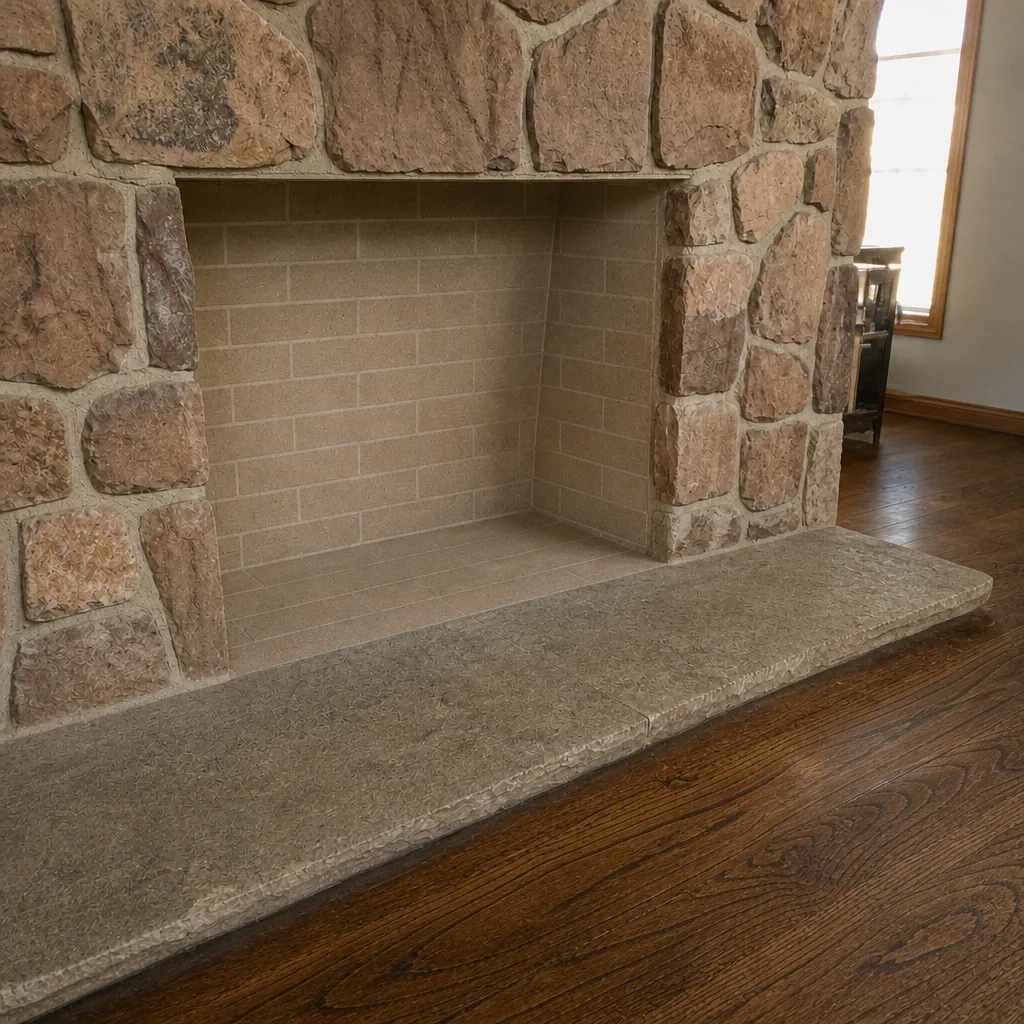 After
Common Mistakes to Avoid
- Buying a retail liner and having it installed by whoever’s cheapest. The liner might be the right product on paper and still fail if it’s installed outside the manufacturer’s spec, or if it lacks a UL 1777 listing for your application. The installation is half the product.
- Treating a sweep log as a substitute for cleaning. It makes Stage 1 creosote more brittle. It does not remove Stage 2 or Stage 3 deposits, which are the deposits that cause chimney fires.
- Sealing a crown that should be rebuilt. A crown sealant is for cracks in a sound crown. A crumbling or separated crown needs masonry, and coating it just delays the repair.
- Going with a galvanized cap to save a few dollars in Hampden’s weather. The freeze-thaw cycling and hail here shorten a galvanized cap’s life. Stainless is the sensible default.
- Accepting a recommendation with no product name. “We’ll put in a good liner” isn’t a technical recommendation. Ask for the model number and the listing, every time.
- Skipping the camera inspection to save time. Without seeing the flue, no one knows whether you need a liner, a resurfacing, or nothing at all. The inspection is what makes the recommendation honest.
- Assuming the same product fits every chimney. Flue size, appliance type, and offsets determine which liner category is appropriate. A one-product recommendation across every job is a sign the recommendation wasn’t tailored.
When to Call a Professional
Some of this you can evaluate yourself: you can look for a cracked crown from the ground, check that your cap is present and intact, and note any obvious rust or storm damage. What you shouldn’t evaluate yourself is the condition of the flue interior, the presence of Stage 2 or 3 creosote, or the adequacy of a liner. Call a professional if your chimney hasn’t been inspected in a while, if you’ve had a chimney fire (even a small one), if you notice rust or water staining on the ceiling or firebox, if your draft is poor, or if a previous sweep recommended a liner or resurfacing and you want a second look at the evidence. We offer free estimates in Hampden. Call (833) 974-5720. We answer 24/7. Fast dispatch from 7am to 7pm, Sunday through Friday. If the recommendation involves structural repair or relining, our fireplace repair team handles the interior side of the system too, so the whole system gets evaluated together rather than one piece at a time.
Frequently Asked Questions
There’s no single best brand, because the right product depends on the job. For flue liners, a UL 1777-listed flexible stainless system like DuraFlex is the benchmark we install. For caps and crowns, stainless or copper from makers like Famco and Copperfield hold up to Hampden’s weather. For flue resurfacing, HeatShield is the specialized system we offer when a full reline isn’t necessary. The common thread across all of them: a name you can look up, a listing you can verify, and an installation that follows the manufacturer’s spec. Call (833) 974-5720 for an exact quote. Estimates are free.
Only if your flue has a damaged, missing, disconnected, or oversized clay tile liner that a resurfacing system can’t correct. A camera inspection is the only way to know for certain. If the flue tile is sound and the surface damage is shallow, HeatShield resurfacing can often restore the flue without a full liner. If the inspection shows failed tile, a liner is the durable fix. We won’t recommend a liner without showing you the camera evidence. Call (833) 974-5720 for an exact quote. Estimates are free.
The general rule is annual inspection and cleaning for a wood-burning appliance, based on use. A home burning wood heavily through the winter may need more frequent cleaning than a home using a gas insert. The only reliable way to know is to have the flue inspected. Deposits build at different rates depending on the wood, the appliance, and draft. If it’s been more than a year, book an inspection. Call (833) 974-5720 for an exact quote. Estimates are free.
Creosote builds up and moves from soft Stage 1 to hardened Stage 2 and tar-like Stage 3, which is the deposit that fuels a chimney fire. A blocked or restricted flue can also push combustion gases back into the home, which is a carbon monoxide risk. Skipping cleaning doesn’t create a new problem, it just lets the existing one progress. The fix is a professional cleaning and inspection, not a retail product. Call (833) 974-5720 for an exact quote. Estimates are free.
A sweep log is a chemical product that makes soft Stage 1 creosote brittle so a brush can remove it more easily. It doesn’t remove creosote itself, and it doesn’t touch the hardened deposits. A professional cleaning is a mechanical removal of the deposits from the flue, combined with an inspection of the flue, liner, cap, and crown. The sweep log supports the cleaning; it can’t replace it.
A chimney cap is one of the few components a confident homeowner can sometimes install without a ladder-too-high risk, but the sizing and the fit matter. A cap that’s wrong for the flue can restrict draft or fail to keep out water, and getting the fit right is part of the job. If the crown underneath is also cracked, that’s the bigger issue and it’s masonry work. For the moisture-control system as a whole, professional installation is the safer path. Call (833) 974-5720 for an exact quote. Estimates are free.
The Bottom Line
The product category matters, but the verification matters more. A liner, cap, crown sealant, or creosote treatment is only as good as the listing behind it and the installation that follows the manufacturer’s spec. In Hampden, that means asking for the product name and model number, checking the UL listing, and confirming the installation method. It means knowing that a sweep log makes Stage 1 creosote easier to remove but doesn’t replace a cleaning. It means recognizing when a crown should be rebuilt rather than sealed, and when a flue should be resurfaced rather than relined. A specialist who can walk you through all of that is the one to hire. We inspect it, we fix it. No referrals, no second opinions needed.
When you’re ready to have your chimney evaluated by a company that can specify what it installs and show you why, call (833) 974-5720 for a free estimate in Hampden. We answer 24/7. Fast dispatch from 7am to 7pm, Sunday through Friday. Nothing gets recommended without camera evidence you can see for yourself, and we’ll tell you plainly when work can safely wait.
Written by the team at Chimney Sweep Hampden.