
Last updated November 23, 2026
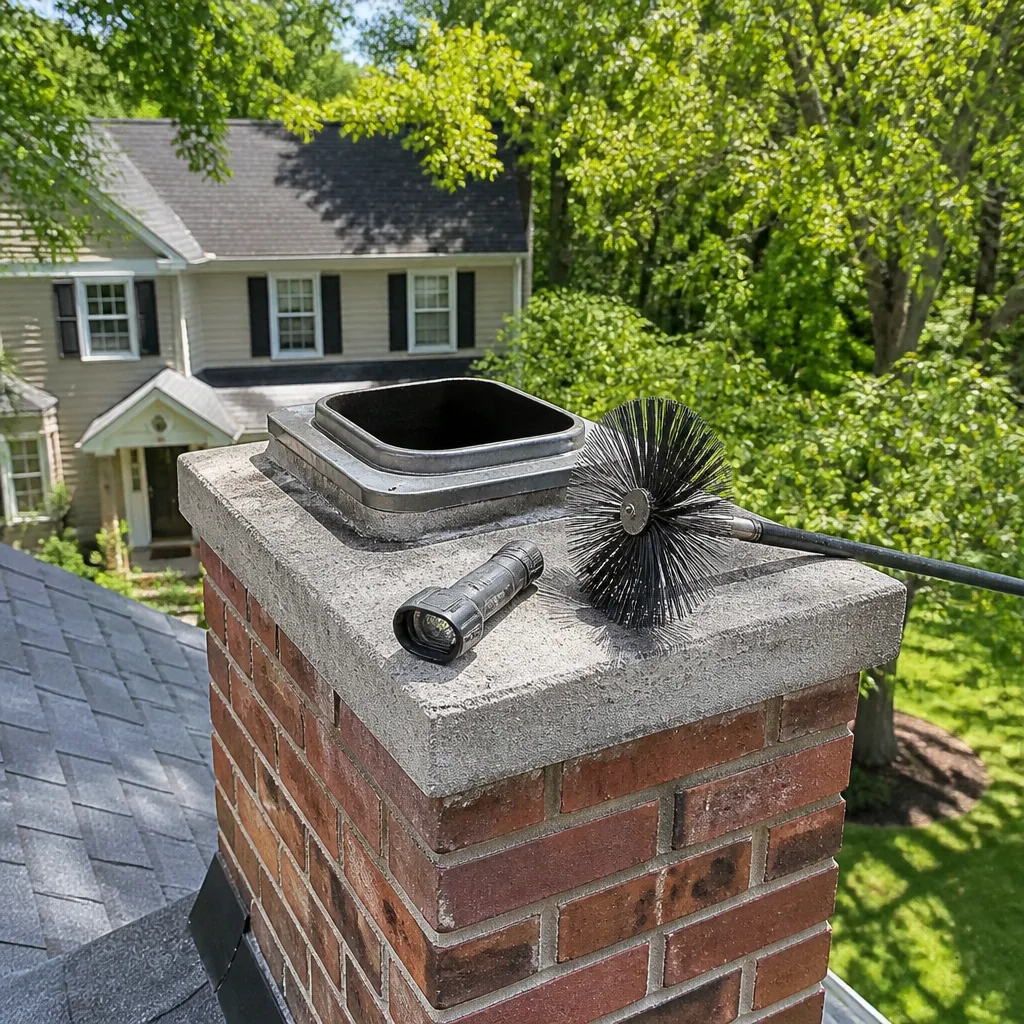 Sweep & inspection
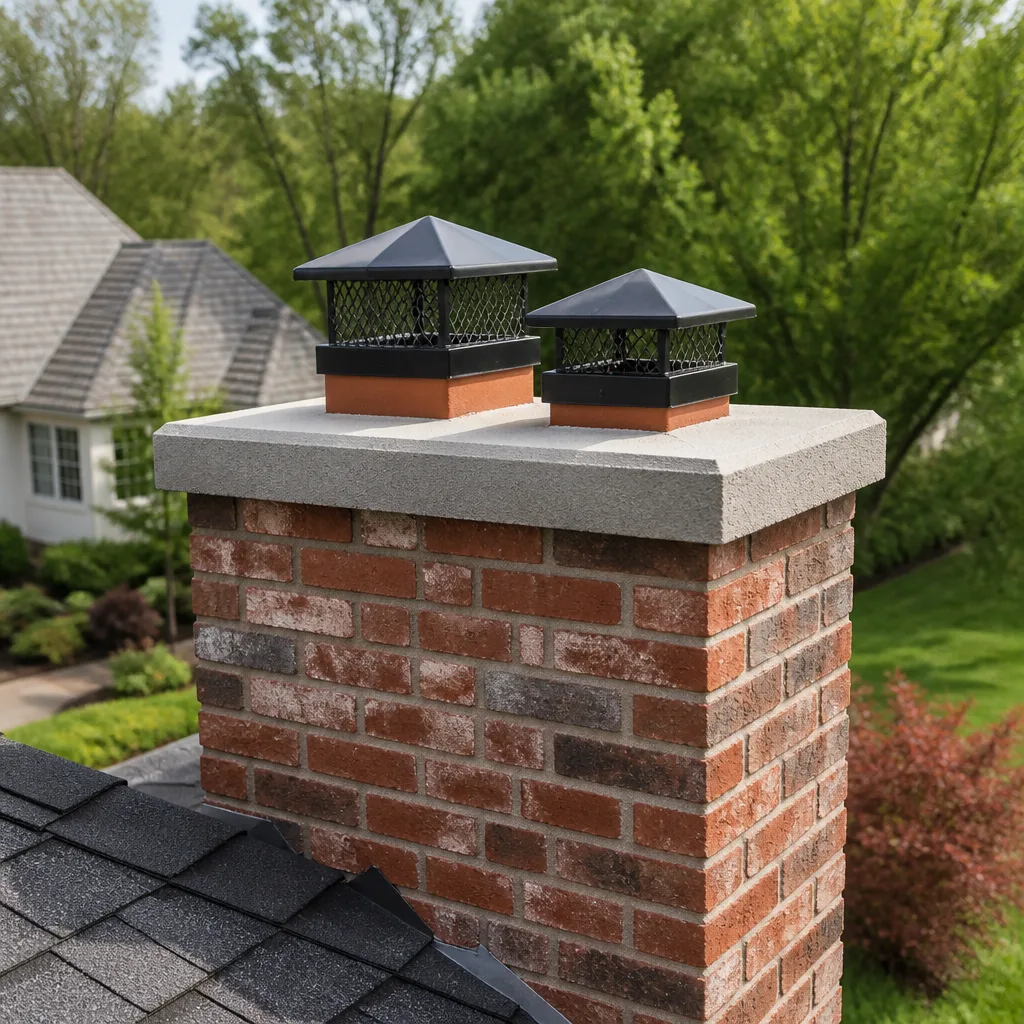 Caps & crowns
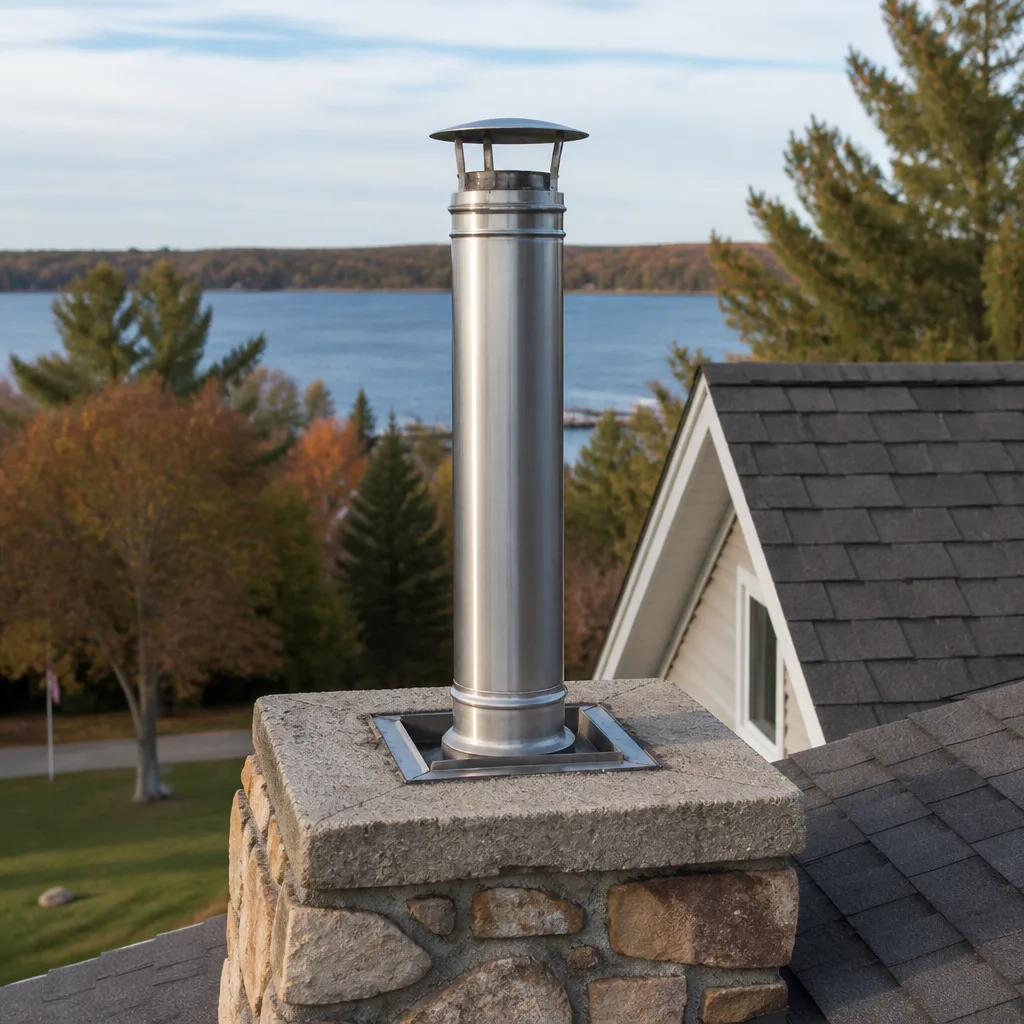 Flue relining
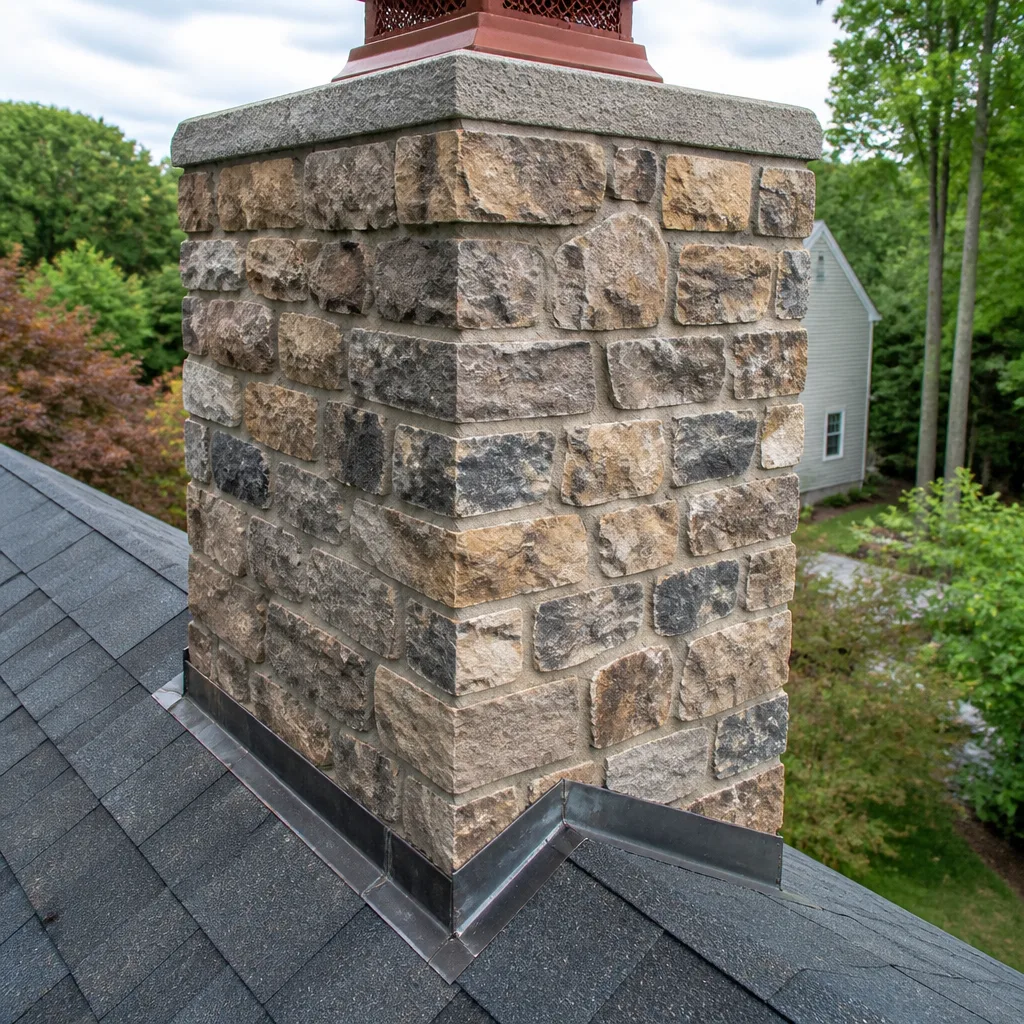 Masonry repair
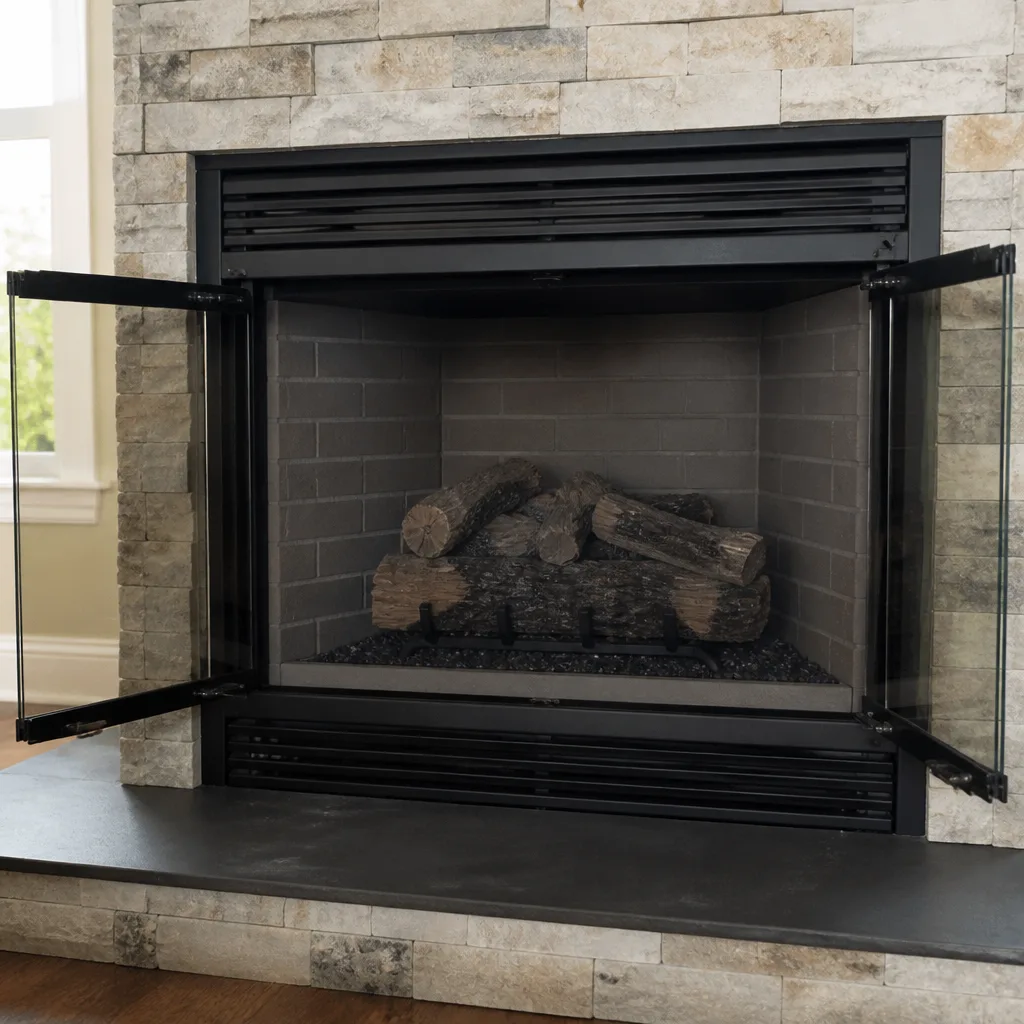 Gas fireplace service
Level 1 sweep and inspection to the NFPA 211 annual standard - flue, crown, cap, and flashing checked and photographed
Chimney sweep logs do not sweep chimneys. They loosen some creosote - which then falls where a brush and vacuum still have to collect it.
The Complete Guide to Chimney Cleaning in Hampden
Most chimney fires don’t start because a homeowner skipped a cleaning. They start because the cleaning never reached the flue liner, the smoke chamber, or the transition zone where creosote concentrates hardest. A brush run down the flue clears the easy deposits and leaves the dangerous ones behind, and the homeowner never knows the difference until a problem shows up at the crown or the firebox. Cleaning a chimney in Hampden means reading the whole system, not just sweeping one section. This guide walks through every layer a full-service sweep evaluates, the three stages of creosote and which ones brushing actually removes, what each inspection level covers under NFPA 211, and what your cleaning report should document so you can track the system year over year. When you understand what a real cleaning touches, you know exactly what you’re paying for.
Quick Answer
A complete chimney cleaning in Hampden covers the firebox, smoke shelf, smoke chamber, flue liner, and cap and crown, not just the flue. A proper service includes a Level 1 or Level 2 inspection, removal of creosote down to bare flue surface, and a written report of findings. Hampden’s cold winters and rapid temperature swings make creosote buildup faster than in lower-elevation towns, so the inspection matters as much as the sweep. Call (833) 974-5720 for a free estimate.
Styles & brands we work with
- Sweep & inspection
- Caps & crowns
- Flue relining
- Masonry repair
- Gas fireplace service
Table of Contents
- The Anatomy of a Chimney System
- The Three Degrees of Creosote
- Inspection Levels 1, 2, and 3 Explained
- Why Hampden’s Altitude and Cold Starts Matter
- What a Completed Cleaning Report Should Document
- Caps, Crowns, and Moisture Intrusion
- Liner Deterioration and When Relining Makes Sense
The Anatomy of a Chimney System
A chimney is not a single hollow pipe. It’s a sequence of connected zones, and each one captures a different kind of debris and needs a different technique to clean. If you skip a zone, you’ve addressed part of the problem and called it done. Here’s what a full-service sweep is actually working through, from the firebox at the bottom to the crown at the top.
- Firebox. The combustion chamber where fuel burns. It collects ash, soot, and leftover creosote flakes, and it gets cleaned by hand with wire brushes and a vacuum fitted with a HEPA filter.
- Smoke shelf and smoke chamber. The shelf is a horizontal ledge just above the damper that catches creosote and slows downdrafts. The smoke chamber above it funnels smoke into the flue; its sloped walls are a magnet for glazed deposits that ordinary brushing can’t reach. This is the single most overlooked zone in a rushed cleaning.
- Flue liner. The clay tile, metal, or cast liner that carries smoke and gases to the top. It’s cleaned with flue brushes sized to the liner, worked from the roof or the bottom depending on configuration.
- Chimney cap and crown. The cap keeps rain and animals out; the crown is the concrete or masonry top surface that sheds water away from the structure. Both are inspected for cracks and gaps on every visit.
In our experience, the transition zones where one of these areas meets the next are where creosote gathers most and where sweeping-only companies tend to fall short. We inspect it, we fix it, and there’s no handoff to a second crew because every layer falls within what we do. Book a full evaluation through Chimney Sweep Hampden and you’ll see the whole system mapped, zone by zone, before any work begins.
The Three Degrees of Creosote
Creosote is the tar-like byproduct of incomplete combustion, and it forms in three distinct stages. Only the first responds to a standard flue brush. The other two require chemical treatment or liner replacement, and knowing the difference is the reason a cleaning can go from routine to structural in a single inspection.
- Stage 1: Sooty, flaky creosote. Light, dry, and brittle. Standard brushes and a vacuum remove it fully. This is what you want to find on every cleaning.
- Stage 2: Tar-glazed creosote. Dense, sticky, and stubborn. Brushing alone smears it and leaves residue behind. It usually needs a chemical treatment or a rotary cleaning tool, and in some cases it’s a sign that the burn has been running cold or under-fueled.
- Stage 3: Glazed, hardened creosote. The most severe stage. Burned onto the liner wall and nearly impossible to remove without specialized tools or, in the worst cases, a liner replacement. Stage 3 creosote is the leading fuel source for a chimney fire.
Altitude and burn habits both feed the process. Homes in Hampden run fireplaces hard through the cold months, and a fire that smolders on a cold start produces far more creosote than a hot, well-vented burn. A sweep who only looks at the flue will miss the smoke chamber where Stage 2 and 3 creosote often builds first. When we find Stage 2 or 3, we show you the camera or photo evidence and explain the treatment options rather than telling you what you have to do. Book a chimney sweep and the assessment starts there.
Inspection Levels 1, 2, and 3 Explained
The NFPA 211 standard defines three inspection levels, and each applies to different situations. Knowing which one you need before you call is the fastest way to avoid paying for more or less than the job requires.
- Level 1: Visual check of accessible areas. Ideal for a routine annual cleaning when the appliance and fuel type haven’t changed and there’s no known problem. Covers the firebox, damper, flue, and cap from accessible points.
- Level 2: Accessible areas plus camera inspection and video. Required when you’re buying or selling a home, adding or changing an appliance or fuel type, or after a chimney fire or a chimney fire event. Covers the flue interior with a camera, the smoke chamber, and the crown and cap in closer detail.
- Level 3: Diagnostic inspection that may require opening walls or roofing. Used when the earlier levels turn up a problem that can only be assessed with destructive access. Rare, but sometimes the only honest answer.
Most Hampden homeowners need a Level 1 for an annual clean, and a Level 2 the moment they buy a house or switch from wood to a gas insert. We use a camera on every cleaning visit and share the footage, so you’re never expected to take our word for it. If a recommendation comes out of the inspection, the written report links it to what the camera showed. That’s the difference between a professional evaluation and a sales call. For a home purchase or a change in fuel, ask for a Level 2 and we’ll document everything you need.
Why Hampden’s Altitude and Cold Starts Matter
Fireplaces in higher-elevation towns like Hampden don’t breathe the way fireplaces near sea level do. The thinner air changes the draft, and a cold chimney struggles to establish upward flow on the first fire of the day. Until the flue warms, smoke runs sluggish, combustion runs incomplete, and creosote deposits build faster than they would at a lower elevation. A cold start is the single biggest creosote driver we see on Hampden chimneys.
Two habits make the difference. First, burn hot and well-vented once the flue is warmed; a smoldering fire makes more creosote than a bright one. Second, get the flue swept more consistently once a year in this climate, not “every other year when it looks fine from the firebox.” The cap and crown also take a beating in Hampden’s freeze-thaw cycles, and a small crack that goes through a winter can grow into water in the flue lining. That moisture sets up the next round of structural damage. Catching the problem at the crown before it reaches the firebox is the reason we look at the top of every chimney on every visit.
Hampden’s cold mornings also mean the fire often runs first thing, when the flue is coldest. That’s exactly when creosote forms fastest, and it’s why the cleaning schedule here is less forgiving than in a warmer climate. If you’ve been on an every-other-year pattern, ask yourself whether the last sweep actually looked inside the liner with a camera. If you can’t answer that, book a cleaning and start a proper record. Call (833) 974-5720 and we’ll set up the first visit.
What a Completed Cleaning Report Should Document
A cleaning report you can compare year over year is worth as much as the cleaning itself. Without one, every visit is a fresh start, and you can’t tell whether the chimney is getting worse, getting better, or holding steady. Here’s what a complete report from us includes, and what you should expect from any sweep working in Hampden.
- Date and inspection level performed. So you can see when a Level 1 became a Level 2 and why.
- Appliance and fuel type checked. Wood, gas, or pellet, plus any insert, with the model noted.
- Creosote stage found per zone. Stage 1 through 3, section by section: firebox, smoke shelf, smoke chamber, flue, cap and crown.
- Photo or camera evidence. The footage that supports each finding, so the recommendation is verifiable rather than a verbal claim.
- Repairs recommended vs. recommended-urgent. Clearly split, so you know what can wait and what shouldn’t go through another winter.
- Condition notes on cap, crown, and liner. Cracks, gaps, or deterioration flagged with a note on severity.
Many homeowners put their report next to the firebox and bring it out at each visit. A record like that lets a sweep walk in and see, immediately, whether the smoke chamber is trending toward Stage 2 or whether the crown has stopped cracking. It also makes a home sale simple, since the buyer’s inspector gets a clean paper trail. If your current sweep hands you a receipt and nothing else, ask for the report. It’s the difference between a cleaning log and a system record. For a full evaluation on the first visit, call Chimney Sweep Hampden and we’ll document every zone.
Caps, Crowns, and Moisture Intrusion
Water is the leading cause of long-term chimney damage, and the cap and crown are the two points where water gets in. The cap sits at the top and keeps rain and animals out; the crown is the sloped concrete or masonry at the top of the chimney that sheds water away from the structure. When either one cracks or loosens, water goes into the flue, into the masonry, and into the interior of the chimney, where it freezes and expands through Hampden winters. Our chimney cap & crown work addresses that at the source rather than sweeping around it.
- Cracked crown. Hairline cracks grow into open seams when water gets in and freezes. Resealing or rebuilding the crown early keeps the chimney shell sound.
- Missing or loose cap. An open flue is an invitation for rain, debris, and nesting animals. A well-fit cap closes the top without blocking the draft.
- Deteriorated flashing. The seal where the chimney meets the roof is a common leak point, and it’s checked on every visit.
- Spalling masonry. Flaking or crumbling brick on the chimney exterior signals water has been inside the wall. We address the source at the crown before repairing the face.
A sweep-only service will clean the flue and leave a cracked crown as-is. Catching the problem at the crown before it reaches the firebox saves the repair costs of both, and it’s the reason those components get the same scrutiny as the smoke chamber. Our cap and crown work goes in with professional-grade materials from brands that chimney specialists rely on. Call (833) 974-5720 for a free estimate if you’ve seen cracking or water staining on the chimney top.
Liner Deterioration and When Relining Makes Sense
A flue liner is the barrier between the fire and the structure of the chimney. When it cracks, spalls, or misaligns, the flue no longer contains the heat and gases, and the fix depends on how far the damage has gone. Some liner deterioration can be restored without a full reline. Others call for a replacement liner. Here’s how we tell the difference, and it always starts with camera evidence you can see for yourself.
- Inspect with a camera. We run a camera through the flue and record what we find: cracks, gaps between tiles, spalling, or creosote glazed onto the liner wall.
- Assess whether resurfacing is possible. HeatShield is a flue restoration system that resurfacing can apply over a deteriorating liner, sealing cracks and rebuilding a smooth, protected interior without a full replacement. It’s a specialized repair most sweep-only companies can’t offer.
- Recommend relining when needed. Where the liner is badly damaged, undersized for the appliance, or mismatched to the chimney’s original build, we install a DuraFlex flexible liner system, built to fit the flue and match the appliance it serves.
- Document the result. The new or restored liner gets camera-verified and photographed, and the report and warranty paperwork reflect what’s in the flue.
We work with the professional brands that chimney specialists rely on, and that means restoring a liner where resurfacing makes sense instead of selling a full reline on principle. If a sweep tells you the whole flue must be rebuilt without showing you footage, ask why. Nothing is recommended unless you can see the evidence. For liner work or a second opinion on a recommendation you’ve already had, book an inspection. We’ll walk the system with you and say plainly what can wait and what shouldn’t.
Common Mistakes to Avoid
- Skipping the smoke chamber. Most homeowners assume the flue is the whole job. The smoke chamber above the damper catches creosote that brushing doesn’t touch, and it’s where Stage 2 deposits often start. Ask for a walkthrough of every zone.
- Judging the flue from the firebox. A clear firebox tells you nothing about the liner or the cap. Hampden homes need a camera on the flue and a look at the crown, or you’re guessing.
- Sweeping without an inspection. A brush without a report is a cleaning log with no record. The inspection drives the recommendations; the sweep only removes what the inspection found.
- Burning wet or unseasoned wood. In Hampden’s cold months, damp wood makes a smoldering fire and it drives creosote buildup quickly. Seasoned fuel runs hotter and cleaner.
- Booking a sweep with no cap and crown check. Water intrusion is the leading cause of long-term chimney damage, and it’s caught at the top. Any sweep that never goes on the roof is missing the source.
- Treating Stage 2 or 3 creosote with brushing alone. Glazed creosote doesn’t brush away. Chemical treatment and camera verification are the only honest way to handle it, and slick residue left in place is a fire risk.
- Choosing the cheapest quote. A cheap sweep can be a brush pass with no inspection and no report. You can’t compare quotes that scope different work.
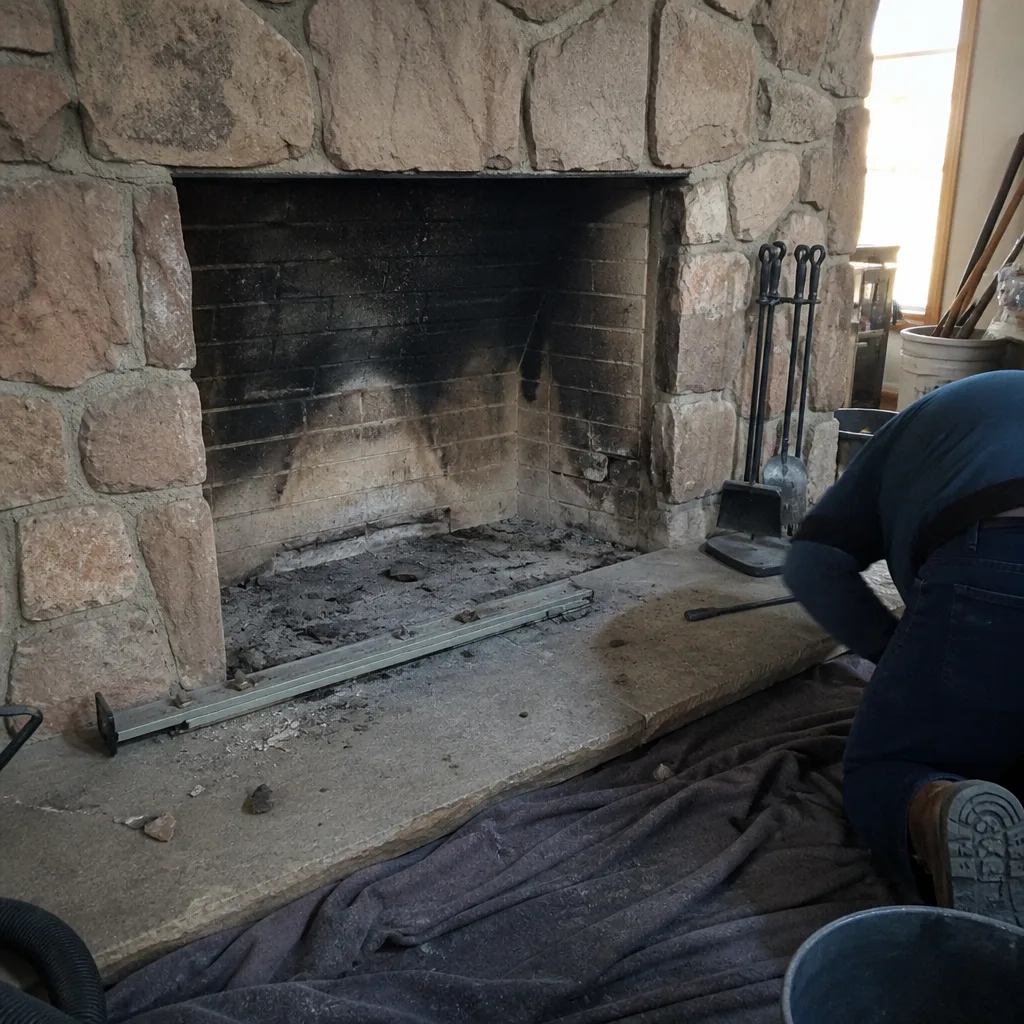
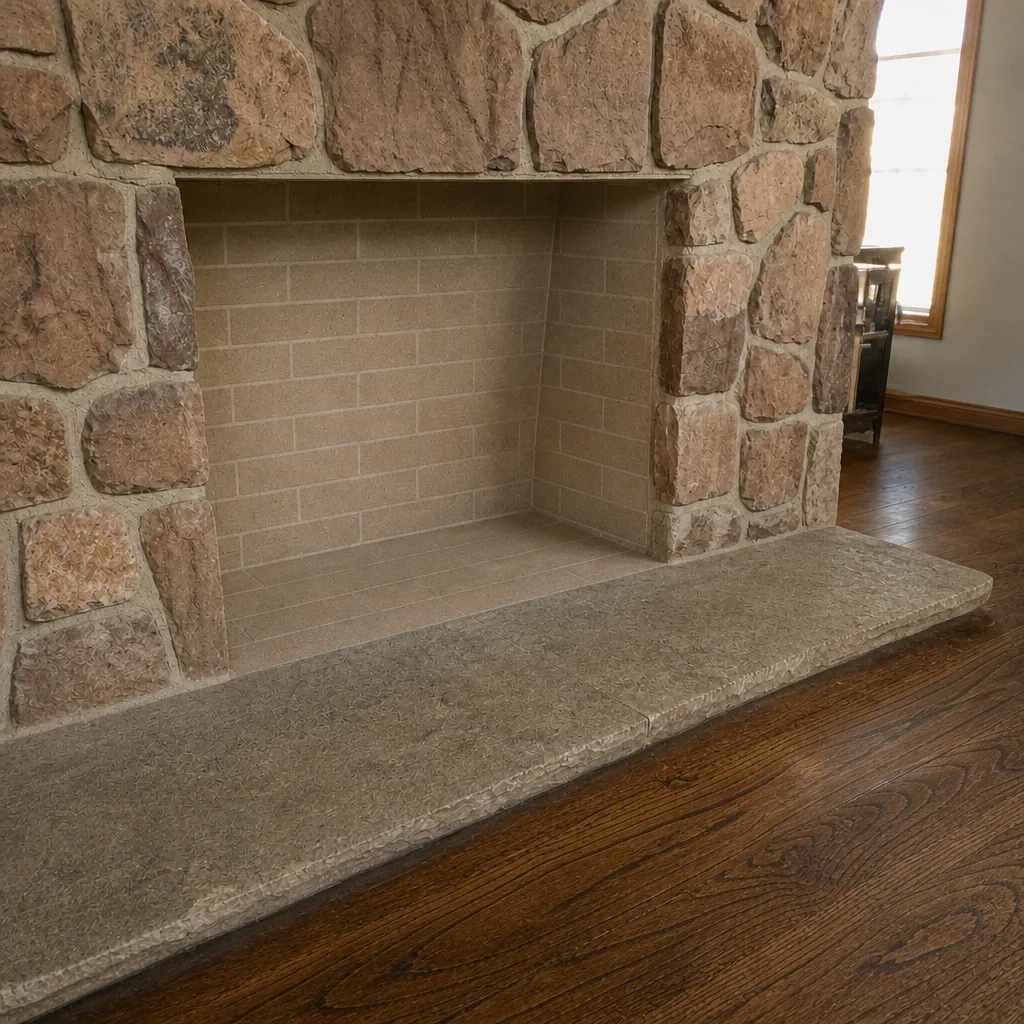
See the difference
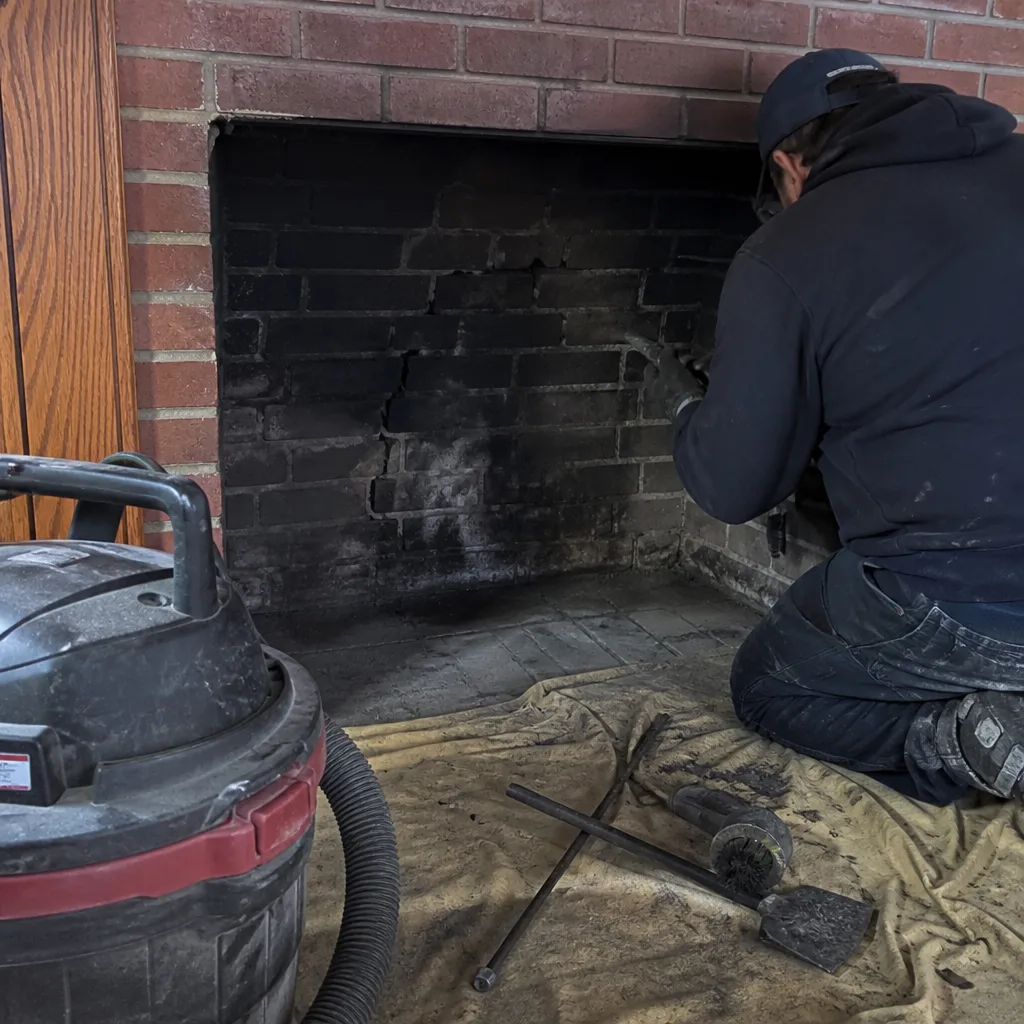 Before
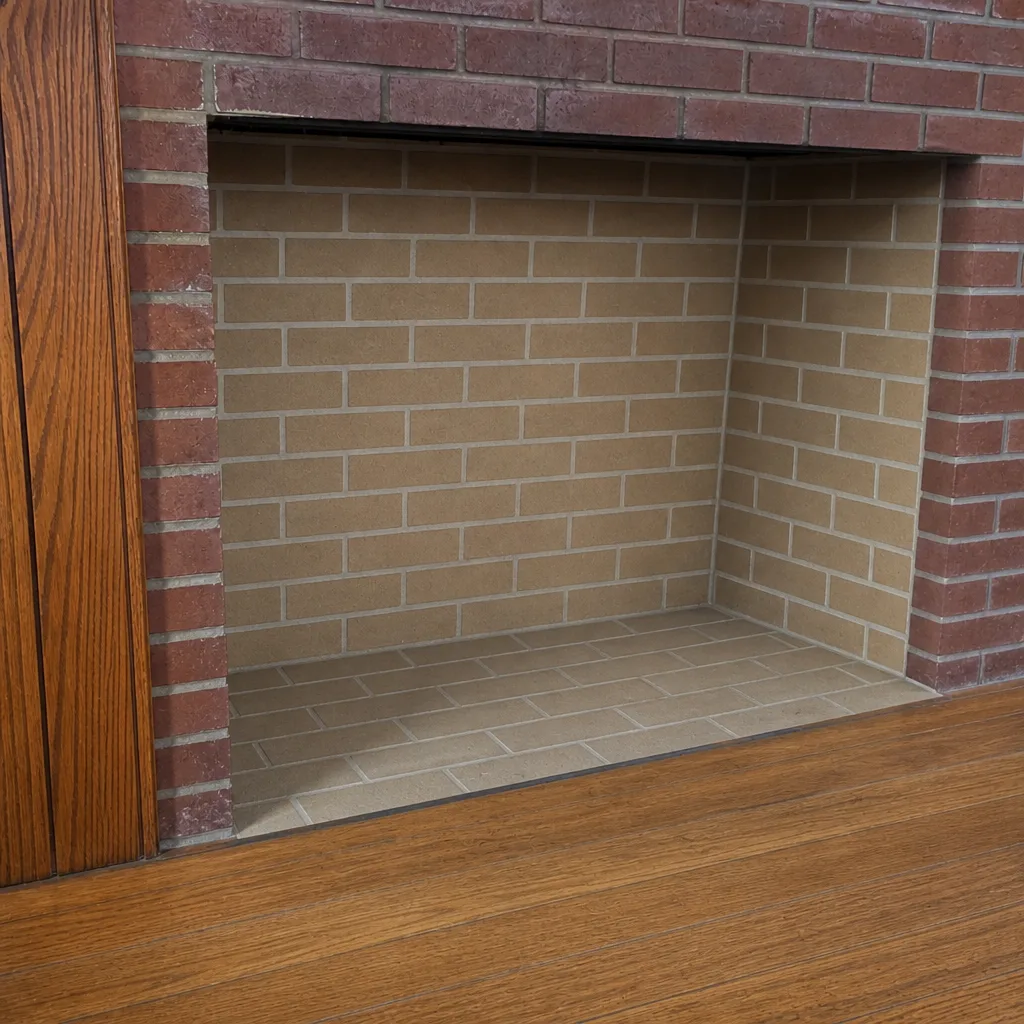 After
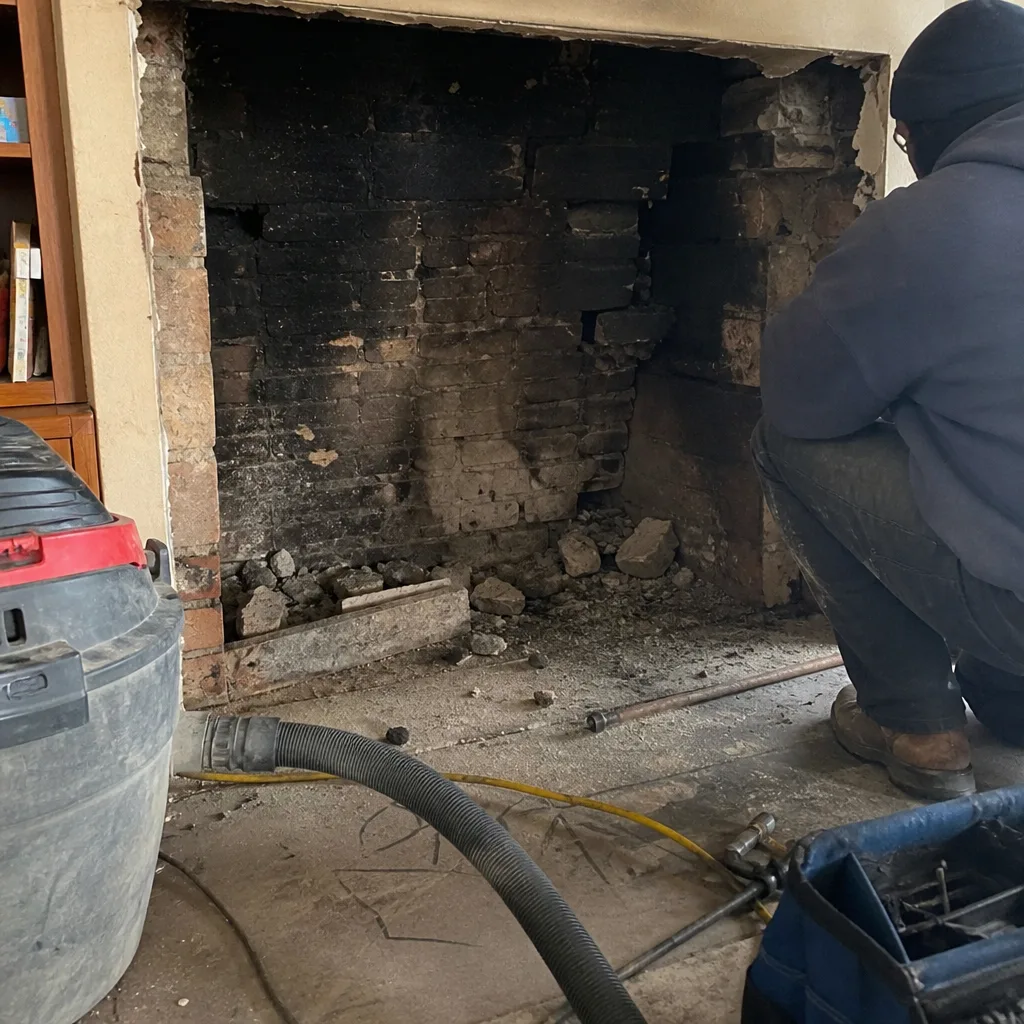 Before
 After
 Before
 After
When to Call a Professional
Call us when you smell smoke in the house on a cold start, when the draft won’t establish, or when you see cracking on the chimney top or water staining on the masonry. Call if a chimney fire has happened, even a small one; that always needs a Level 2 inspection. Call if you’ve bought a house in Hampden and don’t know the last time the chimney was swept, or if you’ve had a sweep hand you a receipt rather than a report. The same is true if you’ve been told the only option is a full reline without a camera viewing to back it up. Chimney Sweep Hampden offers free estimates in Hampden. Call (833) 974-5720.
Frequently Asked Questions
A chimney cleaning in Hampden is priced per job by a written estimate, and the estimate is free. The price depends on how many zones the sweep covers, the creosote stage found, and whether a Level 1 or Level 2 inspection is needed. We put the full scope in writing before any work starts so there’s no surprise line item. Call (833) 974-5720 for an exact quote.
Once a year is the baseline for most Hampden homes that burn regularly. This climate’s cold starts and elevation make creosote build faster than it does at lower elevations, so an annual visit matters. If you burn heavily or have a history of Stage 2 creosote, a mid-season check is worth it. Call (833) 974-5720 to book.
You need a new liner only if the camera shows the liner is cracked, spalled, or mismatched to the appliance. Some deterioration can be restored with HeatShield resurfacing instead of full replacement, and we’ll tell you when resurfacing is the sound option. Nothing is recommended without footage you can see for yourself. Call (833) 974-5720 for an inspection.
Creosote builds in the flue and the smoke chamber until a hot fire can ignite it, and a chimney fire can spread beyond the flue. Carbon monoxide is a separate risk if the flue is blocked or the liner is breached. Neither hazard shows up in the firebox, which is why a camera inspection matters. Call (833) 974-5720 to schedule.
A Level 1 is a visual check of accessible areas, and it’s appropriate for a routine annual cleaning. A Level 2 adds a camera to the flue interior and closer review of the smoke chamber, cap, and crown. Level 2 applies after a chimney fire or when you buy a home or change an appliance or fuel type. Call (833) 974-5720 to book the level you need.
A proper chimney sweep cleans the smoke chamber as part of a full service; it’s one of the zones where creosote concentrates most. Only badly glazed or damaged chambers need resurfacing or masonry work, and that’s diagnosed with a camera. A sweep that skips the smoke chamber isn’t providing a full cleaning. Call (833) 974-5720 to book a complete evaluation.
The Bottom Line
Cleaning a chimney in Hampden is a system diagnosis, not a brush pass. The firebox, smoke shelf, smoke chamber, flue liner, and cap and crown each need their own evaluation, and creosote in Stage 2 or 3 won’t come off with standard brushing. Use the inspection level that matches your situation, stay on an annual schedule because of this climate’s cold starts, and keep the written report so you can compare year over year. When a recommendation comes with camera evidence you can see, you can trust it. Chimney Sweep Hampden offers the full spectrum, from inspection to repair, with free estimates in Hampden.
Contact
If you’ve got creosote, cracks, or an old liner you’re not sure about, give us a call and get a free estimate. Call (833) 974-5720. We answer 24/7. Fast dispatch from 7am to 7pm, Sunday through Friday.
Written by the team at Chimney Sweep Hampden.