
Last updated November 23, 2026
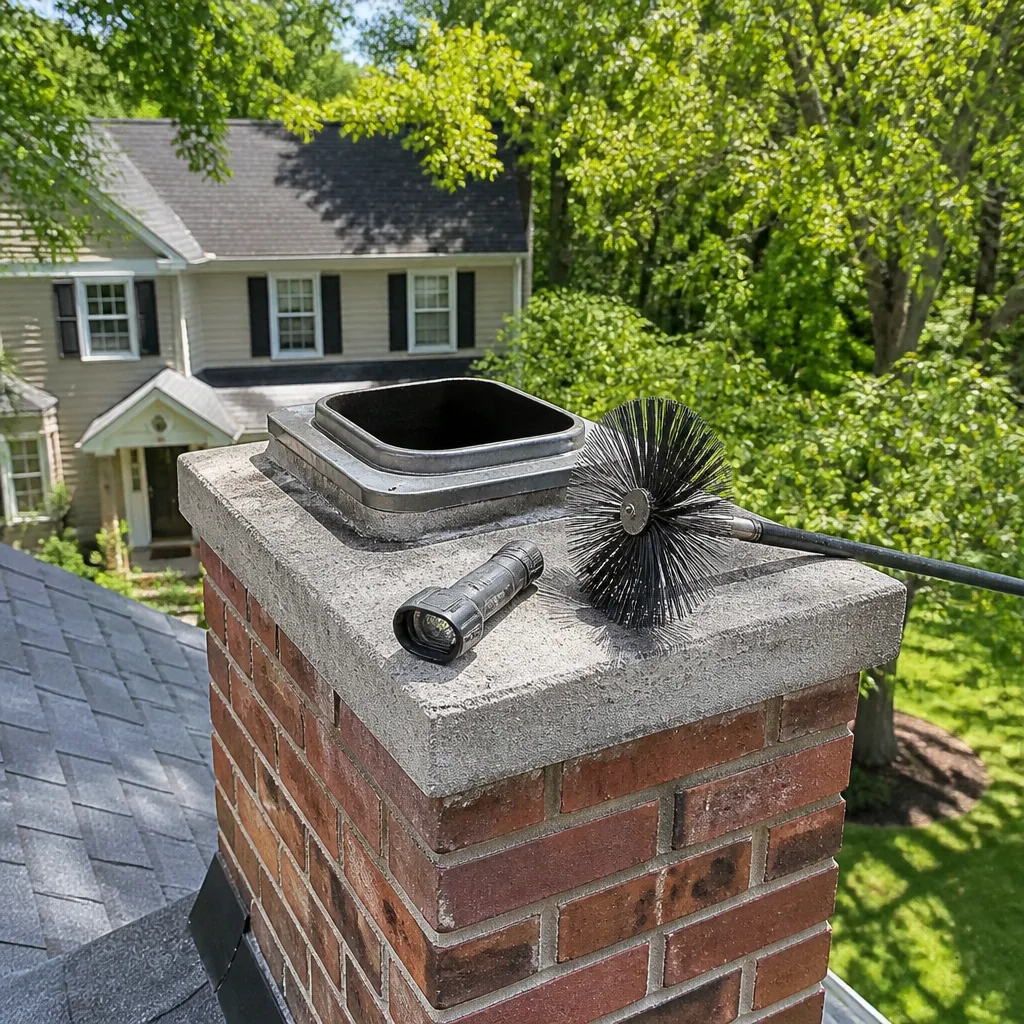 Sweep & inspection
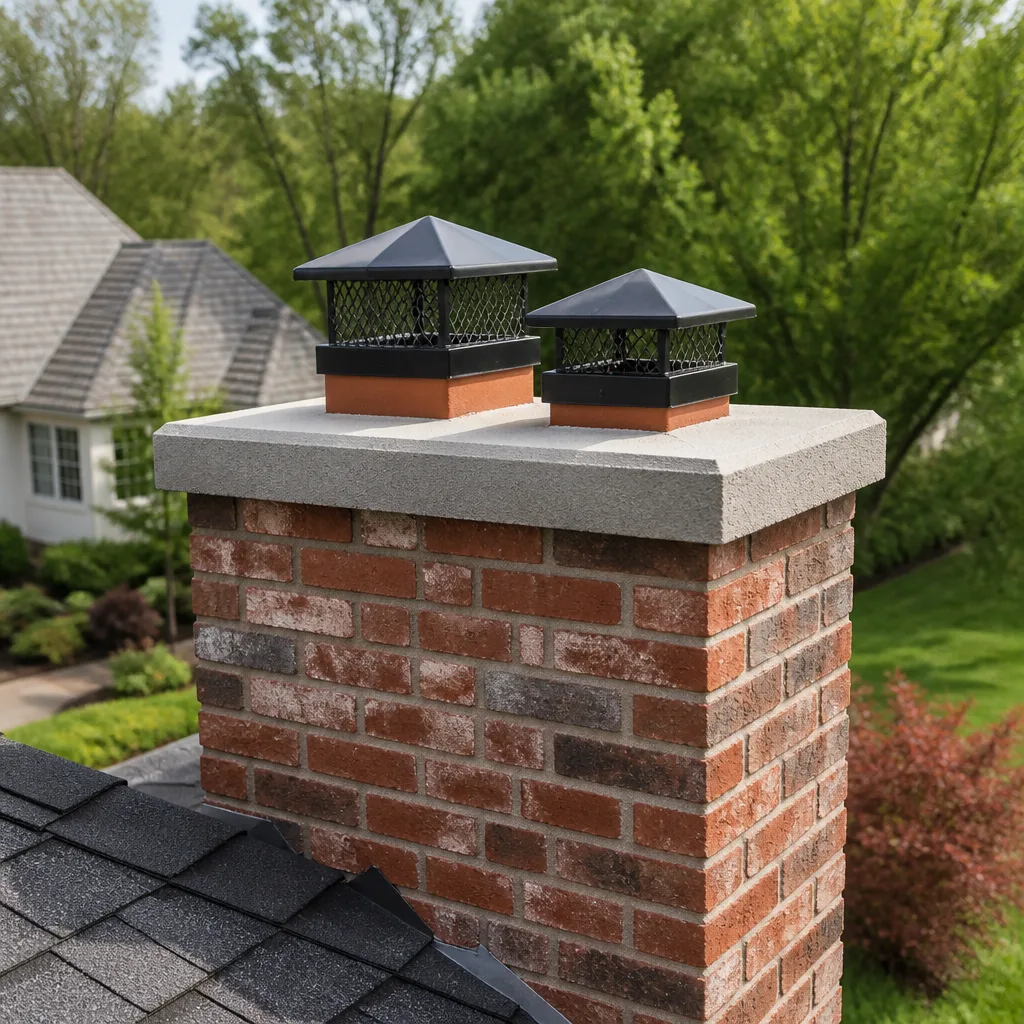 Caps & crowns
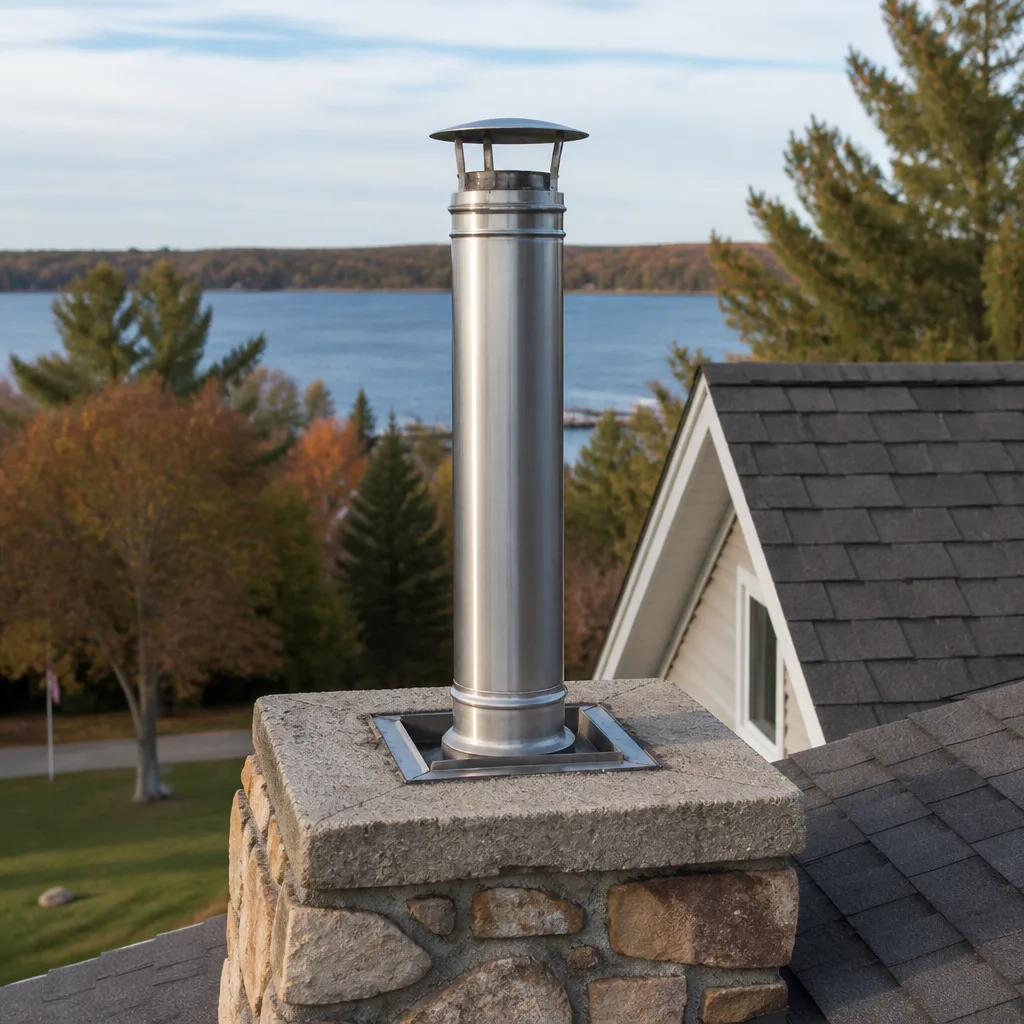 Flue relining
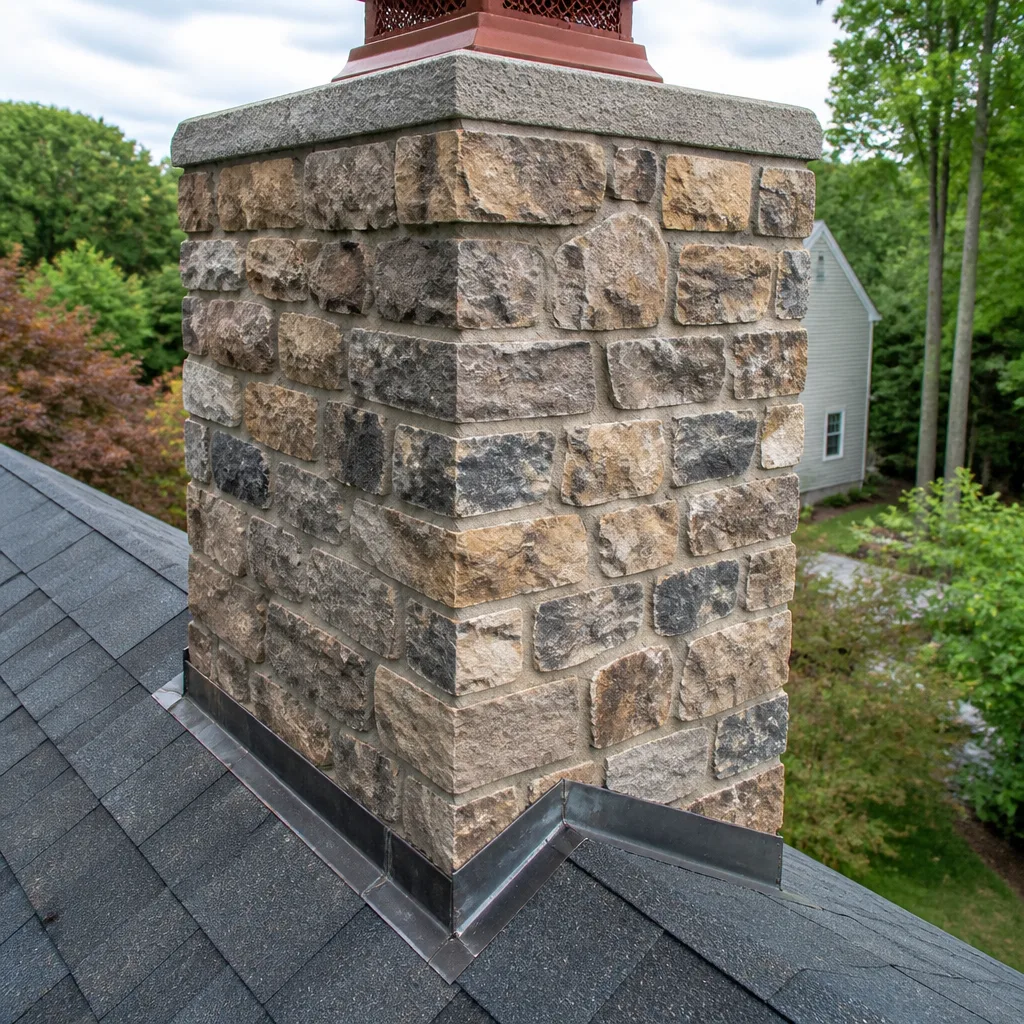 Masonry repair
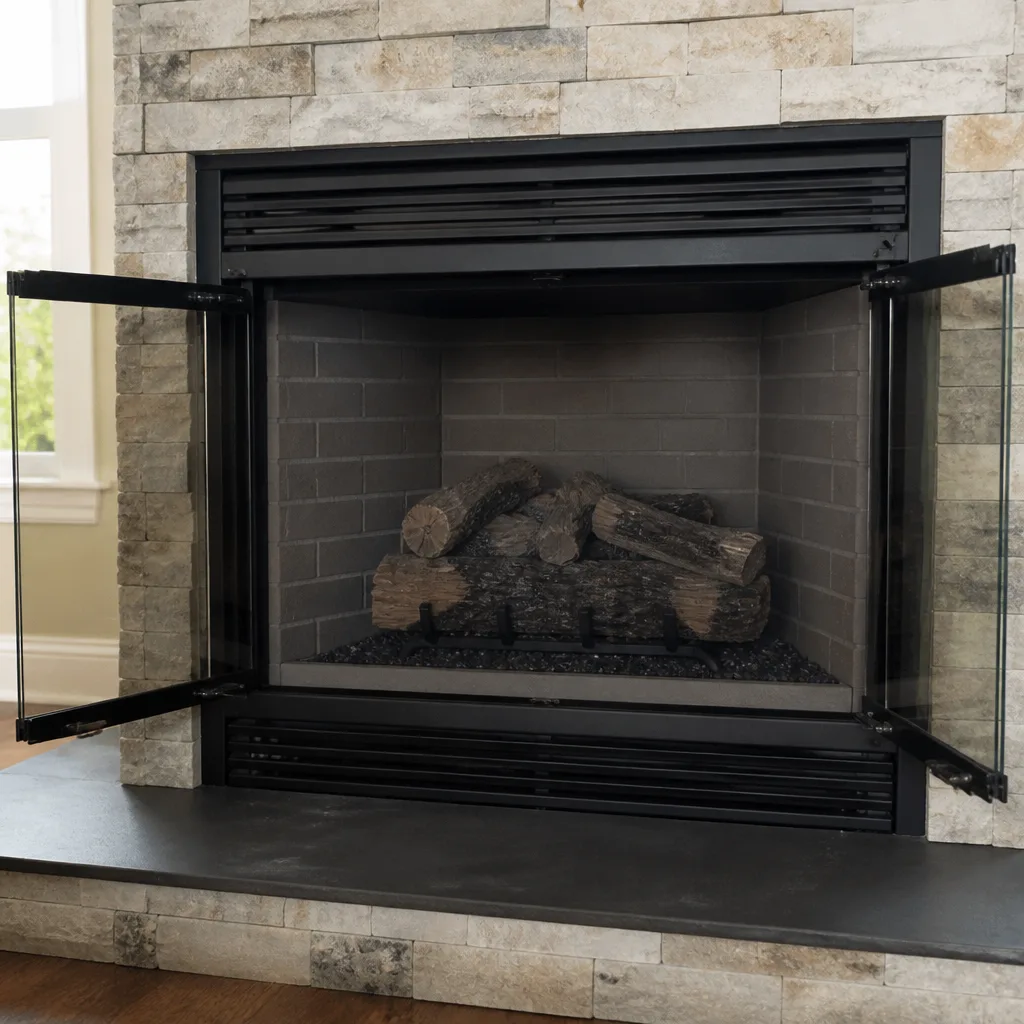 Gas fireplace service
Level 1 sweep and inspection to the NFPA 211 annual standard - flue, crown, cap, and flashing checked and photographed
Chimney sweep logs do not sweep chimneys. They loosen some creosote - which then falls where a brush and vacuum still have to collect it.
Chimney Cleaning Permits, Codes & Inspections in Hampden, CO: What You Need to Know
A chimney cleaning requires no permit. A cracked flue liner replacement absolutely does – and the difference between those two jobs is often discovered mid-appointment, which is exactly when homeowners are least prepared to make an informed decision. That gap catches people off guard. The sweep arrives for a routine cleaning, finds spalling tile or a gap in the flue, and suddenly there’s a conversation about structural repair, permits, and inspections that nobody planned for. This guide maps exactly where cleaning ends and regulated work begins in Hampden, how NFPA 211 fits into Colorado code, what the different inspection levels mean, and what paperwork you should walk away with when the job is done.
Quick Answer
In Hampden and across Colorado, routine chimney cleaning, cap replacement, and minor mortar tuck-pointing generally do not require a building permit. Liner replacement, firebox reconstruction, and new appliance installation do trigger a permit from your local building department, and any change to the connected heating appliance requires a Level 2 inspection under NFPA 211. Unpermitted chimney work can slow or kill a real estate sale, so always ask your contractor for permit numbers, inspector sign-off, and material spec sheets.
Styles & brands we work with
- Sweep & inspection
- Caps & crowns
- Flue relining
- Masonry repair
- Gas fireplace service
Table of Contents
- What Chimney Work Is Permit-Exempt in Colorado?
- What Triggers a Building Permit on a Chimney System?
- NFPA 211: The National Standard Behind Colorado Chimney Rules
- Inspection Levels: When Level 1, 2, or 3 Applies
- Why Swapping a Stove or Installing an Insert Demands a Level 2 Inspection
- Real Estate Implications of Unpermitted Chimney Repairs
- What Documentation to Request From Your Contractor
- Common Mistakes to Avoid
What Chimney Work Is Permit-Exempt in Colorado?
Routine chimney cleaning, cap replacement, and minor mortar tuck-pointing are the three categories of chimney work that typically fall outside the building permit system in Colorado. These are considered maintenance activities – they restore or preserve an existing, code-compliant system without altering its structure. If the flue passes inspection and the only work is removing creosote and soot, no permit is involved. If a cap has corroded and needs replacing, that’s an exterior component swap, not a structural change. And tuck-pointing is surface mortar work on masonry joints that haven’t failed structurally.
Where Hampden homeowners get confused is when a job starts in the exempt category and migrates into the regulated one. A cleaning turns into a recommendation for liner work. A cap replacement reveals a cracked crown that needs rebuilding. A small mortar repair exposes a wash in the firebox brick. These transitions are exactly why the homeowner should understand the threshold before work starts, not after it’s been recommended.
Here’s the working list we use with Hampden clients:
- No permit typically required: chimney sweeping, cap replacement or re-seating, spark arrestor installation, minor mortar tuck-pointing, damper hardware replacement.
- Permit typically required: flue liner replacement (including relining with a flexible liner system), firebox brick or panel replacement, crown reconstruction where structural, new appliance or insert installation, chimney rebuilds above roofline, hearth extensions.
The word “typically” matters. Local building departments set their own thresholds, and a Hampden building inspector may treat a crown rebuild differently than a neighboring jurisdiction does. The only reliable answer is to call the authority having jurisdiction (AHJ) directly and describe the specific scope. That’s part of what a full-service chimney contractor does for you – Chimney Sweep Hampden handles the AHJ conversation as part of any job that crosses into regulated territory.
One point of caution: the exempt list is about permits, not about competence. Cleaning a chimney incorrectly – forcing a brush through a damaged liner, or ignoring spalling behind the smoke chamber – can turn an exempt task into a much larger repair. The cleaning being permit-free doesn’t mean it’s risk-free.
What Triggers a Building Permit on a Chimney System?
Liner replacement, firebox reconstruction, and new appliance installation are the three primary triggers for a building permit on a chimney system in Hampden. Anything that alters the structural anatomy of the venting system, changes the fuel or appliance category, or affects the fire rating of the enclosure usually moves the job into the permitted category. The permit exists so an inspector can verify the work meets the adopted code before it’s covered up with masonry, siding, or chase panels.
Liner replacement is the clearest example. The flue liner is the code-mandated barrier between combustion gases and the surrounding combustible structure. Swapping it means the installer must demonstrate proper sizing, proper connector attachment, correct clearances, and – for a flexible stainless system like the DuraFlex lines we install – an approved product for the fuel type and appliance efficiency category. An inspector has to verify all of that before the job is signed off.
Firebox reconstruction involves rebuilding the actual combustion chamber, which is the highest-heat zone of the whole system. Factory-built fireboxes have engineered clearances that can’t be approximated in the field. Masonry fireboxes have specific brick and refractory requirements. Either way, an inspector will want to see it before the fireplace goes back into service.
New appliance installation – a wood stove, a gas insert, a pellet appliance – is regulated for a simple reason: the appliance listing and the venting system have to match, and the installer has to prove it. The permit protects the homeowner from an installation that looks fine but vents incorrectly.
What you should expect from a permitted chimney job in Hampden:
- The contractor pulls the permit in their name with the Hampden building department.
- The scope of work is written on the permit card and matches what you were quoted.
- Rough-in inspection happens before the liner or firebox is enclosed.
- Final inspection happens after installation but before the appliance goes back into service.
- You receive the permit number and inspector sign-off in writing.
If a contractor tells you a liner replacement doesn’t need a permit “because it’s inside the existing chimney,” that’s worth a second opinion. The permit isn’t about exterior visibility – it’s about whether the work conforms to code, and liner work is exactly the kind of job the code was written to govern.
NFPA 211: The National Standard Behind Colorado Chimney Rules
NFPA 211, the Standard for Chimneys, Fireplaces, Vents, and Solid Fuel-Burning Appliances, is the national standard that Colorado jurisdictions adopt, modify, and enforce at the local level. It’s published by the National Fire Protection Association, and it’s the foundation document for how chimneys are built, inspected, maintained, and repaired. When you hear a chimney contractor talk about “clearances,” “inspection levels,” or “venting categories,” they’re speaking NFPA 211 language.
Colorado doesn’t have a single statewide chimney code. The state adopts model codes (the International Residential Code and the International Mechanical Code, which themselves reference NFPA 211) and local jurisdictions – counties, cities, and towns – enforce them through their own building departments. What that means practically is that the rules in Hampden trace back to NFPA 211 through the adopted IRC/IMC, and enforcement happens locally.
This matters for three reasons:
- Enforcement is local. The Hampden AHJ has the final word on whether a specific job needs a permit and what the inspection will require. NFPA 211 sets the standard; the AHJ applies it.
- Adopted editions vary. Different Colorado jurisdictions may have adopted different editions of the IRC. A contractor working across the Front Range has to know which edition the local AHJ is using.
- NFPA 211 is also the inspection standard. The three inspection levels (Level 1, 2, and 3) are defined in NFPA 211. When you ask for an “inspection,” the level you actually need is a question answered by this standard.
In our experience, most Hampden homeowners don’t need to read NFPA 211 cover to cover – but they should know it exists and know that any chimney contractor claiming to work “to code” without being able to say the words “NFPA 211” and name an inspection level is worth questioning. The standard is the shared vocabulary of the trade.
One note on climate: Hampden sits on the Front Range fringe, which means freeze-thaw cycling through the cooler months. That cycling drives moisture damage into crowns and masonry, and it’s the most common reason we recommend a chimney cap & crown evaluation as part of any inspection. The building code doesn’t tell you to check for freeze-thaw damage – NFPA 211 doesn’t either – but the local climate does, and that’s the kind of judgment a local specialist brings that a national checklist won’t.
Inspection Levels: When Level 1, 2, or 3 Applies
A Level 1 inspection covers the readily accessible portions of the chimney and venting system and is the right call for routine annual maintenance or when a like-for-like appliance swap is happening. A Level 2 inspection is required whenever a change is made to the connected heating appliance, whenever a property changes hands, or whenever a Level 1 inspection reveals a problem that requires more evaluation. A Level 3 inspection is diagnostic – it’s what happens when a Level 1 or 2 has identified a hidden problem and the only way to see it is to open up the structure.
Here’s how each level breaks down in practice:
- Level 1 – Readily accessible. The technician inspects the accessible portions of the firebox, smoke chamber, flue, and connector without removing any part of the structure. No tools beyond a brush and a light are typically needed. This is the annual maintenance inspection.
- Level 2 – Accessible portions plus concealed areas. Includes everything in Level 1 plus a video camera scan of the flue interior, and inspection of accessible attic, crawlspace, and other concealed spaces. Required when a property changes hands, when the appliance changes, or when a Level 1 finding needs further investigation.
- Level 3 – Diagnostic opening. Includes everything in Level 2 plus removal of structural components (chimney chase panels, masonry, drywall) to access concealed areas. Reserved for situations where a specific hazard is suspected but can’t be confirmed without opening the structure.
The camera inspection at Level 2 is where most of the real diagnostic value lives. A brush-and-light Level 1 inspection can miss a gap in the flue liner, a spalled tile, or a disconnected joint because the technician can’t see around the bends and offsets. A camera records what’s actually happening inside the flue – and the homeowner can see it too.
For Hampden, where a lot of the housing stock includes older masonry chimneys that have been through multiple freeze-thaw seasons, we often recommend stepping to a Level 2 even when a Level 1 would technically satisfy the situation. The reason is simple: the cost of a camera inspection is small next to the cost of missing a liner problem. And when a liner problem is caught, it gives the homeowner a photo report they can act on rather than a commission-driven recommendation they have to take on faith.
If you’re booking an inspection and aren’t sure which level you need, the question to ask the contractor is: “What level of inspection does NFPA 211 require for my situation, and will you provide a camera scan and photo report?” If they can’t answer in those terms, that’s your answer about the quality of the inspection you’ll receive.
Why Swapping a Stove or Installing an Insert Demands a Level 2 Inspection
A Level 2 inspection is mandatory under NFPA 211 whenever the connected heating appliance changes – and this applies whether the change is a full stove swap, an insert installation, or a fuel-type conversion. The reason is that any change to the appliance changes the operating conditions of the venting system, and a system that was code-compliant for one appliance may not be compliant for another.
Common Hampden scenarios that trip this rule:
- Swapping a wood stove for a high-efficiency wood insert. The new insert runs cooler flue gases and can require a different liner (often a full-length insulated stainless liner rather than a direct-connect). The existing liner has to be evaluated under the new appliance’s specs.
- Converting a wood-burning fireplace to a gas insert. The appliance listing specifies a vent category and size, and the existing flue often needs a new liner to match.
- Installing a pellet stove in a fireplace opening. Pellet appliances have their own venting requirements, and the existing flue is almost always mismatched.
- Replacing a pre-fabricated fireplace with a new prefab unit. The chimney chase and venting system have to be matched to the new listing.
The Level 2 inspection is what tells you whether the existing liner can handle the new appliance or whether the whole system needs to be upgraded. Skipping that step is common and dangerous – a new insert dropped into an existing undersized or damaged liner will vent improperly, and the failure mode can be carbon monoxide in the living space rather than a visible fire. That’s the reason NFPA 211 requires the inspection rather than recommending it.
A Level 2 inspection after an appliance change should include camera documentation of the flue interior and a written record of the appliance listing, the liner spec, and the venting configuration. That written record is what your building inspector will use at final inspection, and it’s also what a future homebuyer’s inspector will want to see. A liner replacement install should come with a material spec sheet showing the product – DuraFlex, HeatShield-repaired, or whichever approved system was used – and the installation date. That file is the difference between “the seller says the liner was replaced” and a documented permit sign-off.
Real Estate Implications of Unpermitted Chimney Repairs
Unpermitted chimney repairs discovered during a home inspection can delay or kill a sale, and documentation of permitted work adds measurable value at resale. That’s not a scare line – it’s the routine experience of anyone who has been through a Front Range real estate transaction with a chimney in the middle of it. A buyer’s inspector flags unpermitted work, the buyer’s attorney asks for a permit history, and the answer that comes back is often “no permits on file.”
Here’s how the interaction typically plays out:
- The seller lists the home with a chimney that’s had “recent work done” but no permit history in the county records.
- The buyer’s inspector notes the newer liner or firebox work and asks for documentation.
- The seller’s agent can’t produce a permit or a contractor’s sign-off, so the buyer’s lender flags it as an issue.
- The sale gets delayed while a Level 2 inspection is performed, the work is evaluated, and either a permit is retroactively pulled or the work is redone.
- Either way, the seller loses negotiating leverage and the buyer loses confidence in the rest of the disclosures.
For Hampden specifically, the risk is worth flagging because so many homes have had chimney work done at some point and not all of it was permitted. A homeowner who wants to protect resale value should treat the permit and inspection file as part of the home’s documentation – the same way they’d keep records for a roof replacement or a water heater. It’s the difference between a buyer seeing “liner replaced, permit signed off, spec sheet attached” and a buyer seeing a gap in the paperwork that raises questions about everything else.
For buyers, the practical move is to ask for the chimney permit history as part of due diligence. If it isn’t available and the chimney looks like it’s had work done, budget a Level 2 inspection into the contingency. A chimney sweep with camera capability can produce the report a buyer needs in a single visit.
And for sellers planning to list within a year: if any chimney work has been done, chase down the paperwork now. If the paperwork doesn’t exist, a Level 2 inspection with a written report is often the fastest way to close the documentation gap and get ahead of a buyer’s inspector. That’s not legal advice – it’s what we see working in the Hampden market, and it’s the reason we always hand a written report to every client after a permitted job.
What Documentation to Request From Your Contractor
A permit number, an inspector sign-off, and material spec sheets are the three documents every homeowner should receive after a permitted chimney job. If any one of them is missing, the job isn’t fully documented, and the gaps tend to surface at the worst possible moment – during a resale, an insurance claim, or a future inspection.
Here’s the complete documentation checklist we recommend asking for:
- Permit number and jurisdiction. Written down, with the issuing building department named. A permit number without a jurisdiction is a number without a home.
- Inspector sign-off. Usually a stamped or signed inspection card, or a digital record from the AHJ. This is the proof the work was actually inspected, not just permitted.
- Material spec sheets. For a liner, this means the manufacturer’s spec sheet for the specific product installed. For masonry repair, it’s the mortar or refractory spec. For a cap, it’s the product spec and attachment method.
- Photos of the installation. Proper chimney contractors photograph the liner before it’s enclosed, the connector fittings, and the crown after it’s sealed. Ask for them at handoff.
- Written scope of work. The quote you received, signed by both parties, showing exactly what was performed. If the job grew mid-appointment, the scope addendum should reflect that.
- The inspection report. For Level 2 work, the report that includes the camera footage summary. If the report notes pre-existing conditions that weren’t part of the job scope, that’s valuable context for future work.
The reason we’ve built our own process around this checklist isn’t paperwork for its own sake. When a liner replacement is installed using HeatShield resurfacing rather than a full reline, the spec sheet shows what was applied and how it was evaluated. When a DuraFlex liner is installed, the spec sheet shows the product code and UL listing. When an Olympia Chimney cap is installed, the attachment spec is documented. In each case, the paperwork is the difference between “we had work done” and “we have a file on this chimney that answers every future question.”
Any fireplace repair that involves the firebox itself should come with the same documentation set, plus a note on the refractory material used if the firebox was rebuilt. The firebox is the one place in the whole system where material substitution is likely to be tested by an inspector, and having the spec sheet in hand makes that conversation shorter.
Common Mistakes to Avoid
- Authorizing permit-triggering work on the spot without a written scope. When a sweep finds a problem mid-appointment, the pressure to decide is immediate. Ask for the finding in writing, with photos, and ask whether the work triggers a permit – before you authorize anything. The 24-hour pause costs nothing.
- Accepting “no permit needed” at face value. Some Hampden contractors skip permits to keep the job fast, and the homeowner bears the legal risk. If a contractor tells you a liner replacement doesn’t need a permit, get a second opinion from someone who can name an inspection level.
- Skipping the Level 2 inspection after an appliance change. A stove or insert swap without a camera scan is a guess about whether the existing liner can handle the new appliance. NFPA 211 requires the inspection, and the reason is safety, not paperwork.
- Not checking whether the cap and crown work involves structural changes. Replacing a cap is typically exempt. Rebuilding a crown that’s failed into the chimney top is typically not. Knowing which one you’re getting quoted prevents a surprise when the inspector arrives.
- Losing the documentation after the job is done. A permit sign-off and spec sheet floating in a drawer aren’t useful at resale. Create a home file with the permit number, inspection card, spec sheets, and photos – the same place as your roof and HVAC records.
- Assuming freeze-thaw damage will wait indefinitely. On the Front Range, repeated freeze-thaw cycles push moisture into any crack in the crown or masonry. Crown work put off for a season usually becomes crown work plus masonry repair. The crown is cheap to maintain and expensive to rebuild.
- Treating a cleaning as the same as an inspection. A cleaning removes creosote. An inspection evaluates the system. If you have a wood-burning fireplace and haven’t had a Level 2 inspection, the cleaning doesn’t tell you whether the liner is intact – it tells you the flue is clean.
See the difference
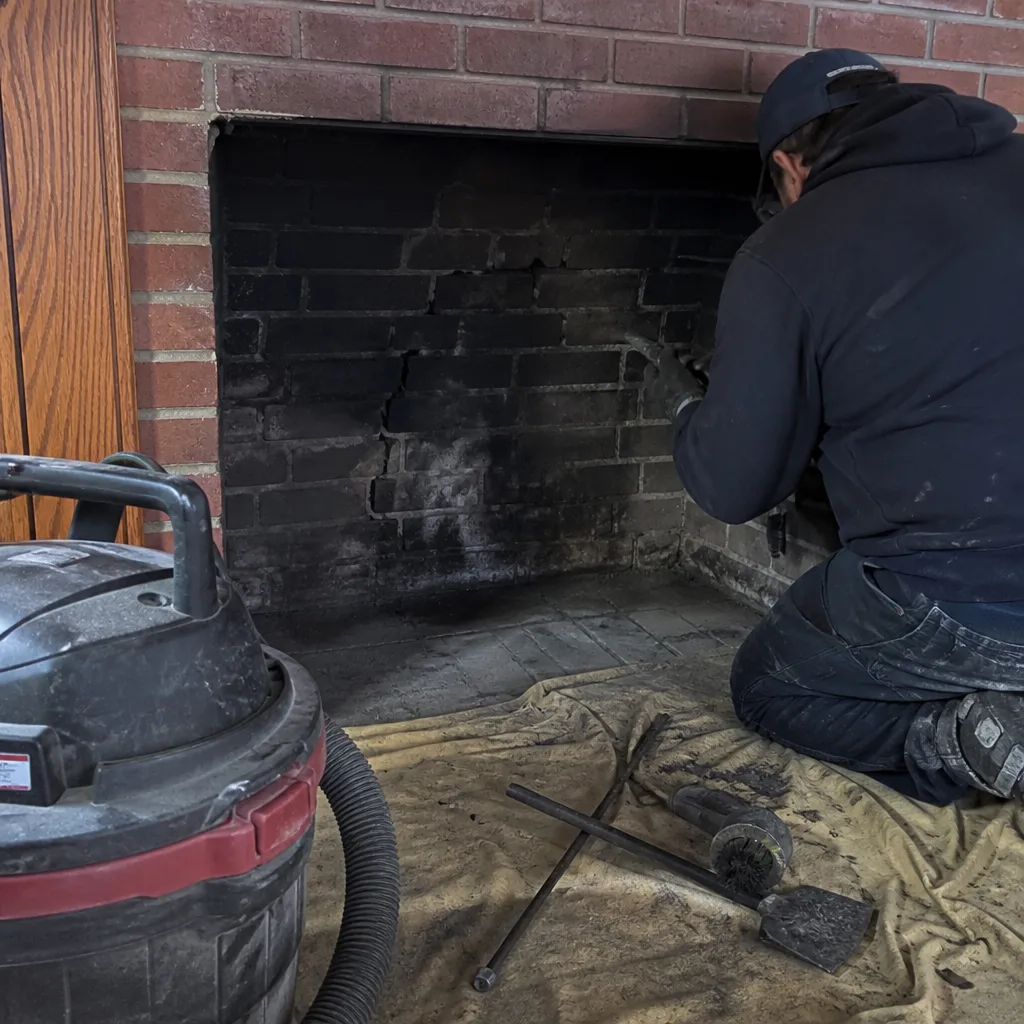 Before
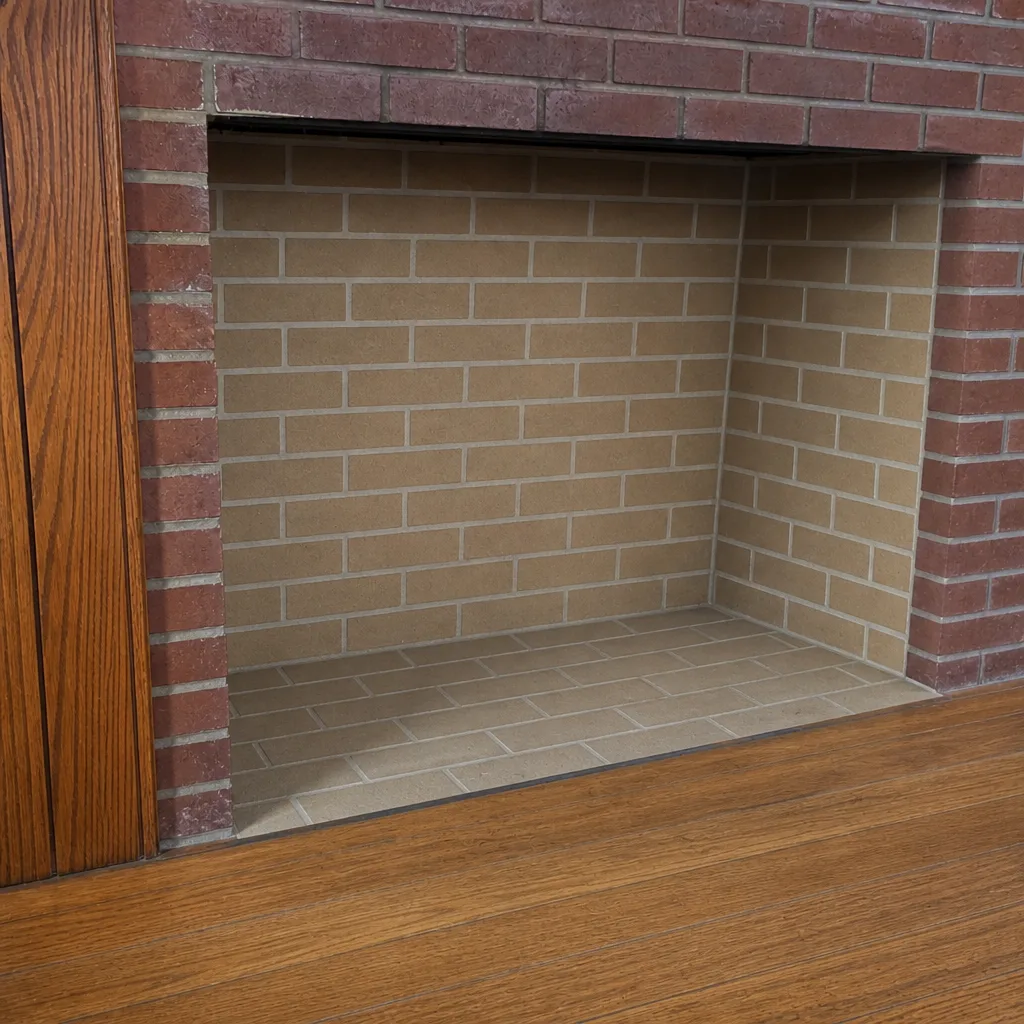 After
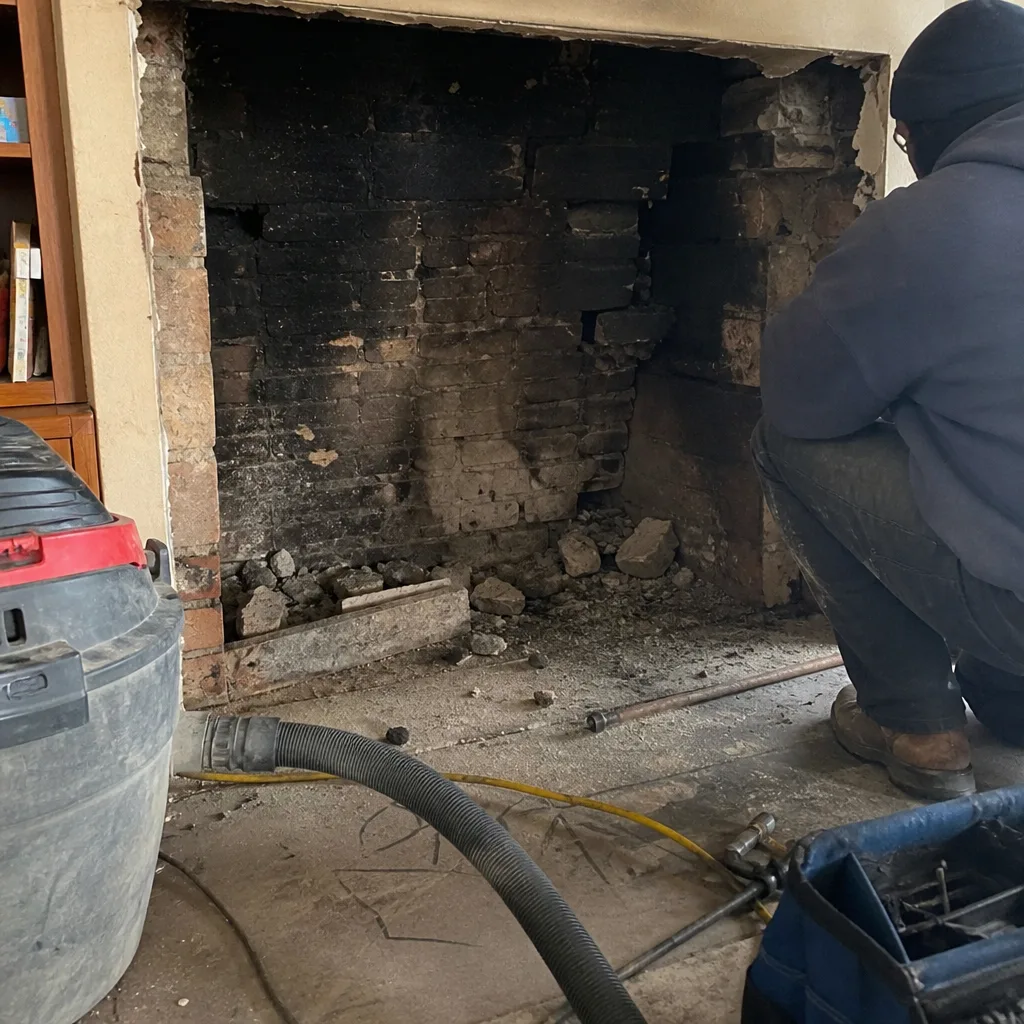 Before
 After
 Before
 After
When to Call a Professional
Call a professional chimney contractor when the connected appliance changes, when a home inspection flags unpermitted work, when you’re buying or selling a house with a masonry chimney, or when cleaning reveals damage you can’t verify on your own. You should also call when you’re not sure whether the work you need is permit-exempt – the cost of a diagnostic visit is trivial next to the cost of guessing wrong on a permit requirement or a liner condition. If your flue is damaged but not failing, HeatShield resurfacing can often restore it without full replacement; if it’s already failing, a DuraFlex liner system is the more durable path. In either case, the evaluation comes before the recommendation, and the recommendation comes with photos you can see.
Chimney Sweep Hampden offers free estimates in Hampden – call (833) 974-5720. Our technicians have up to 14 years of experience with the full chimney system, from sweep and inspection through liner work, cap and crown, and structural repair. We answer 24/7. Fast dispatch from 7am to 7pm, Sunday through Friday.
Frequently Asked Questions
No. Routine chimney cleaning does not require a permit in Hampden or anywhere else in Colorado, because cleaning is considered maintenance rather than construction. The permit question only becomes relevant if the cleaning reveals damage that requires structural repair – liner replacement, firebox reconstruction, or new appliance installation – and that’s when you need to have a conversation with the contractor before authorizing work. Call (833) 974-5720 for an exact quote – estimates are free.
Yes, in most Colorado jurisdictions, including Hampden, a liner replacement requires a building permit because it alters the structural anatomy of the venting system. The permit ensures an inspector can verify the liner sizing, connector attachment, and clearances before the job is signed off. If a contractor tells you a liner replacement doesn’t need a permit, ask them to specify which code section exempts it – and if the answer is vague, get a second opinion. Call (833) 974-5720 for an exact quote – estimates are free.
You need a Level 2 inspection whenever the connected heating appliance changes, per NFPA 211. The Level 2 includes a video camera scan of the flue interior plus inspection of accessible concealed spaces, which is what’s required to confirm the existing liner can safely handle the new appliance. A Level 1 cleaning inspection isn’t sufficient for an appliance change and won’t satisfy the local inspector. Call (833) 974-5720 for an exact quote – estimates are free.
Yes. Unpermitted chimney repairs discovered during a buyer’s home inspection can delay or kill a sale, and the seller often loses negotiating leverage when the paperwork gap gets flagged. A buyer’s lender may also require the work to be evaluated or redone before closing. The safe move is to document every permitted job with a permit number, inspector sign-off, and material spec sheet – and to address any missing paperwork before listing. Call (833) 974-5720 for an exact quote – estimates are free.
Ask for four things: the permit number with the issuing jurisdiction, the inspector sign-off (a stamped card or digital AHJ record), material spec sheets for any liner or refractory work, and photos of the installation before it was enclosed. If the job was a Level 2 inspection, also request the written inspection report with the camera scan summary. This file becomes part of the home’s documentation and is worth having when you sell. Call (833) 974-5720 for an exact quote – estimates are free.
Indirectly, yes. Hampden’s freeze-thaw cycling around the cooler months accelerates moisture damage to crowns and masonry, which is the most common reason a “minor” crown repair gets upgraded to a crown rebuild – and crown rebuilds are one of the jobs that typically requires a permit. Catching crown damage early is the cheapest way to stay in the permit-exempt category. A chimney cap & crown evaluation as part of your annual inspection is the fastest way to catch it. Call (833) 974-5720 for an exact quote – estimates are free.
The Bottom Line
Chimney cleaning is permit-exempt, but structural chimney work isn’t, and the boundary between them is where Hampden homeowners get caught off guard. NFPA 211 sets the standard, the local building department enforces it, and the inspection levels defined in NFPA 211 are what tell you which level of evaluation any given situation actually requires. Get the Level 2 camera scan after any appliance change. Ask for the permit number, inspector sign-off, and material spec sheets after any structural job. Keep those documents in a home file so a future buyer’s inspector doesn’t have to guess. And when a sweep finds damage mid-appointment and starts talking about liner work, ask for the finding in writing before you authorize anything. The documentation is what protects the house, the sale, and the homeowner.
Call (833) 974-5720. We answer 24/7. Fast dispatch from 7am to 7pm, Sunday through Friday. Estimates are free, the scope is written before work begins, and the inspection report comes with photos you can see for yourself.
Written by the team at Chimney Sweep Hampden.