
Last updated November 23, 2026
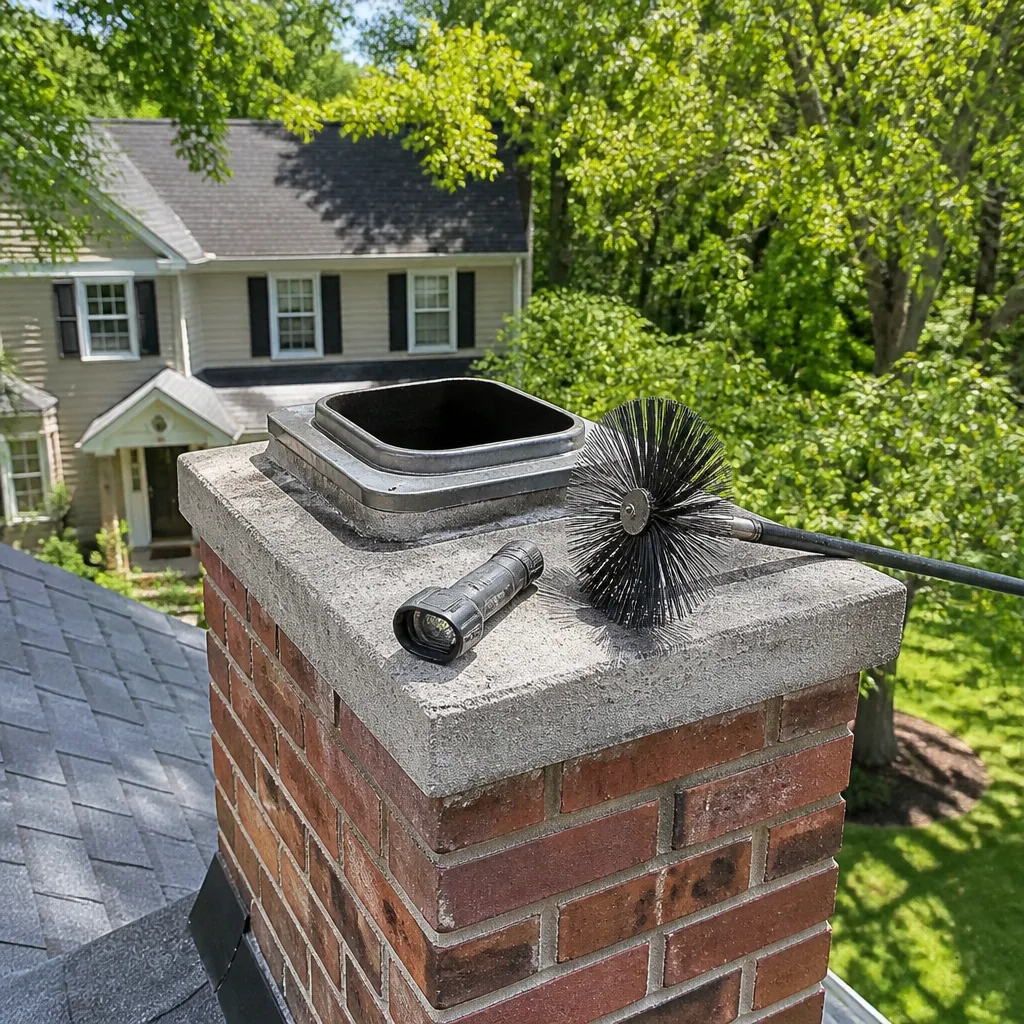 Sweep & inspection
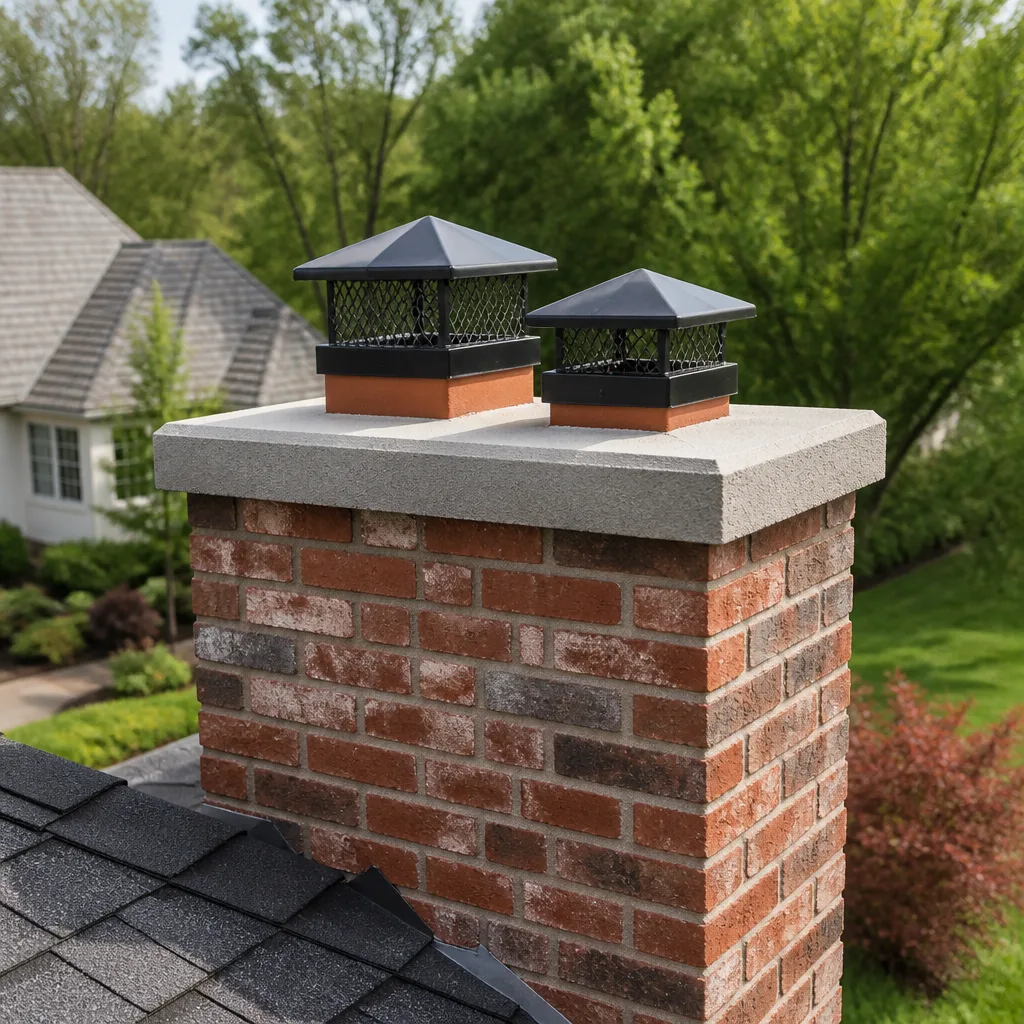 Caps & crowns
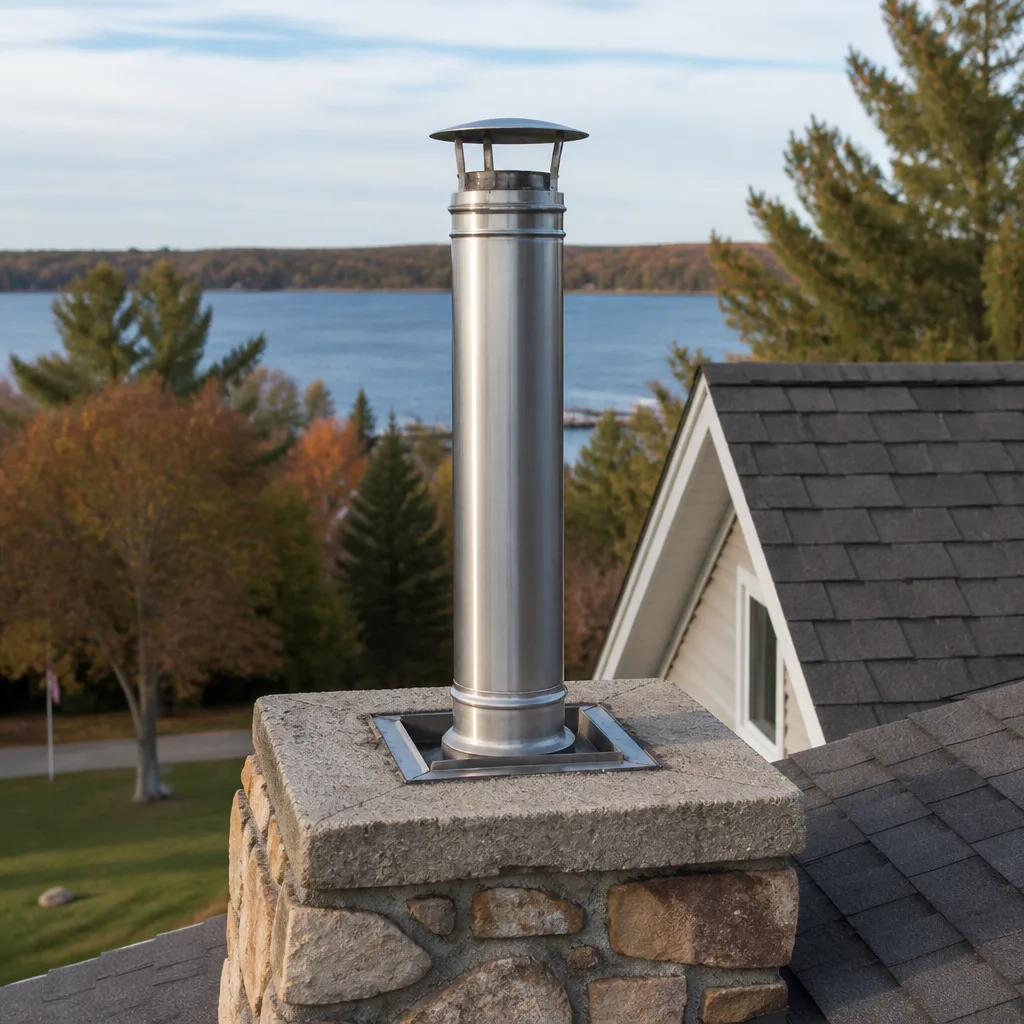 Flue relining
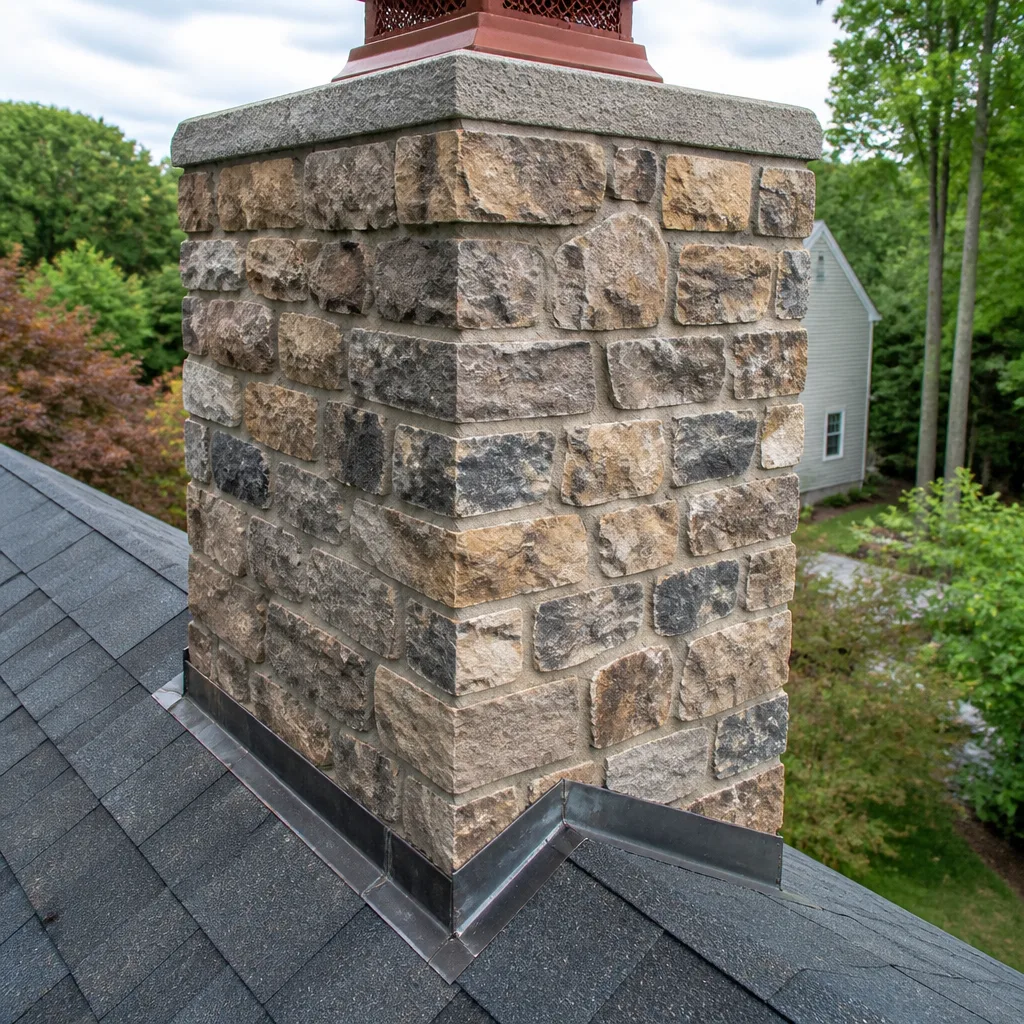 Masonry repair
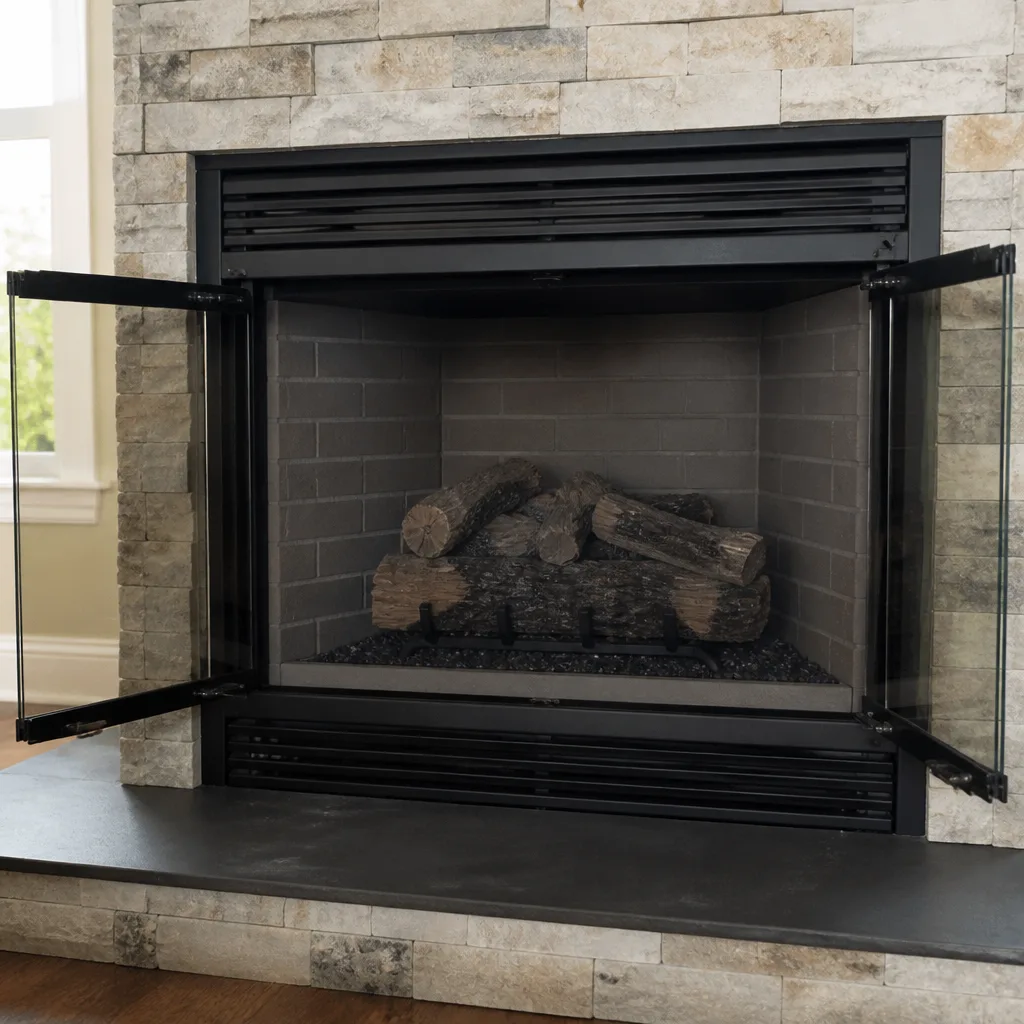 Gas fireplace service
Level 1 sweep and inspection to the NFPA 211 annual standard - flue, crown, cap, and flashing checked and photographed
Chimney sweep logs do not sweep chimneys. They loosen some creosote - which then falls where a brush and vacuum still have to collect it.
Chimney Sweep Maintenance Schedule: What to Do and When
The NFPA recommends annual inspections, but that standard was written for average use. If your Hampden fireplace runs from October through April, “once a year” leaves a six-month window where deterioration goes unchecked. Hampden sits in a freeze-thaw zone where masonry expands and contracts through every winter thaw, and a chimney that looked fine in November can have a hairline crown crack by February. What you need isn’t a reminder card once a year; it’s a task-by-task calendar tied to your actual burn habits and the Colorado season. This guide lays out the full year: fall pre-season, mid-season triggers, spring repair windows, gas-versus-wood differences, and what to log so every technician who follows you has a real baseline.
Quick Answer
Schedule one full chimney inspection and sweep each fall, before the first fire, then add a mid-season sweep if you burn past roughly two cords of wood or run the fireplace most nights. Book spring for masonry and cap or crown work so freeze-thaw damage is addressed before summer contractor demand peaks. Gas fireplaces follow a different schedule than wood-burning ones and need their own annual service, not a wood-chimney sweep.
Styles & brands we work with
- Sweep & inspection
- Caps & crowns
- Flue relining
- Masonry repair
- Gas fireplace service
Table of Contents
- The September Pre-Season Checklist
- Mid-Season Check Triggers
- Post-Season: Why Spring Is the Repair Window
- Gas Fireplace vs. Wood-Burning Schedules
- How Hampden’s Freeze-Thaw Cycle Affects Masonry
- What to Log After Every Sweep
- The Full Year at a Glance
The September Pre-Season Checklist
The pre-season appointment is the highest-leverage visit of the year. It’s the one moment you can catch problems while there’s still time to fix them before the burning season, and it sets the baseline every later decision hangs on. Book it in September, before the first fire, so nothing is on the clock. Our technicians have up to 14 years of experience and treat this visit as a full system evaluation, not a quick brush-and-go.
Here’s what gets checked before you light that first fire:
- Cap and crown. The cap keeps rain, animals, and debris out; the crown is the concrete top that sheds water away from the masonry. Cracking or separation at the crown is the leading driver of long-term chimney damage, and it’s exactly what we look at first.
- Damper seal. A damper that won’t close tight lets heated room air escape up the flue all winter and lets cold air down when the fireplace is idle. A poor seal costs you on every cold Hampden night.
- Flue liner condition. We run a camera and check for cracks, gaps, and creosote glaze. Liner problems aren’t visible from the firebox, which is why the camera inspection and photo report matter.
- Creosote level. We measure the buildup stage, because the difference between a routine brush and a stubborn glaze changes your whole seasonal plan.
- Firebox and smoke chamber. Loose mortar joints, cracked firebrick, and a rough smoke shelf all affect draft and safety.
When the report comes back clean, you have a documented starting point. When it flags a crown issue or a thinning liner, you have September and October to plan the repair instead of discovering it in January. Our chimney cap & crown work is built around catching the problem at the crown before it reaches the firebox.
Mid-Season Check Triggers
Waiting a full year to look again is a mistake in a high-use Hampden household. Creosote accumulates with every fire, and the more you burn, the faster it builds. Rather than guess, use these thresholds as triggers for a mid-season sweep:
- You’ve burned through about two cords of wood. That’s the rough point where buildup warrants a look rather than waiting for spring.
- You’ve run the fireplace most nights for a couple of months. Frequent, moderate fires build creosote steadily. Log the hours if you can; a rough count is enough.
- You notice a change in draft or smell. A fire that’s suddenly smokier or a stronger creosote odor when the fireplace is cold are both reasons to stop and check.
- You hear or see anything unusual. A damper that sticks, a crack that appears in the firebox, or grit falling into the hearth all deserve a look before the next fire.
A mid-season sweep resets the clock and lets us confirm the liner and creosote stage are still in a safe range. In our experience, the households that schedule this one extra visit are the ones that avoid surprises in February and March. Pair it with a look at the firebox and damper so the same appointment covers routine fireplace repair if something’s worn.
Post-Season: Why Spring Is the Repair Window
April and May are the right months to treat masonry and schedule any liner repair. The logic is simple: freeze-thaw damage is most visible after a full winter of cycling, and spring is when you can treat masonry before summer contractor demand peaks. Waiting until August to book a crown rebuild or a liner job often means standing in a longer line, and it leaves the repair undone through the next heating season.
The post-season visit covers:
- A full inspection for winter damage. Winter is the stress test. Spalling brick, cracked mortar, a lifted crown, and loose flashing all show up now.
- Masonry treatment. Addressing spalling and repointing joints in spring stops water from finding its way deeper during summer storms.
- Liner assessment and repair. If the fall camera inspection flagged a deteriorating liner, spring is the window to act. HeatShield resurfacing can restore a flue without full relining in the right conditions, and DuraFlex flexible liner systems are the benchmark for relining an aging or mismatched flue.
- Cap and crown service. Any cap damage from winter ice or wind gets repaired before the summer rain.
Spring work also means the repair is finished and settled well before October. A Hampden homeowner who closes the loop in May starts the next season with a known-good system rather than a to-do list.
Gas Fireplace vs. Wood-Burning Schedules
Many Hampden homes have both a wood-burning fireplace and a gas insert or gas fireplace, and the schedules are not interchangeable. A wood-burning chimney collects creosote and needs sweeping on a burn-volume basis. A gas fireplace produces no creosote, so it doesn’t get “swept” the same way, but it still needs annual service and inspection. The two systems fail in different ways.
Wood-burning fireplace schedule
- Full inspection and sweep each fall before first fire.
- Mid-season sweep if you cross the burn thresholds above.
- Spring inspection for masonry, crown, and liner condition.
Gas fireplace schedule
- Annual inspection of the venting, burner, and logs.
- Check the vent termination and cap for obstruction or nesting debris.
- Look at the glass, burner flames, and any signs of soot in the firebox.
Gas units can develop venting problems that aren’t visible from the room, and a vent that’s blocked or damaged is a real safety concern. Don’t skip the annual gas service just because there’s no creosote to sweep. If you have both systems, schedule the wood chimney and the gas unit together so both get documented at the same visit.
How Hampden’s Freeze-Thaw Cycle Affects Masonry
Hampden’s climate does something to masonry that a mild-climate chimney never sees. Water gets into brick, mortar, and the crown during rain or snow melt, then freezes overnight and expands. That cycle repeats through the winter, prying joints apart and widening cracks a little more each time. The damage isn’t dramatic on any single day, but it accumulates across a season, which is why spring inspections matter as much as fall ones.
The places freeze-thaw hits hardest:
- The crown. A hairline crack lets water in, and the freeze widens it. This is the source most expensive damage starts from, and it’s why we treat the crown as the first line of defense.
- Mortar joints. Soft or weathered mortar absorbs water and spalls. Repointing in spring restores the joint before the next winter.
- The flashing. Where the chimney meets the roof, freeze-thaw and snow movement can open gaps that let water track into the attic.
Addressing the crown and masonry in spring doesn’t just fix winter damage; it reduces how much the next winter can do. That’s the reasoning behind a two-season schedule for a Hampden chimney: fall protects the burning season, spring protects the structure.
What to Log After Every Sweep
Every appointment should leave you with a record, because the next technician who visits needs a documented baseline instead of starting from scratch. A good log turns each visit into a data point rather than a standalone event. When the same problem shows up twice, the log is what makes the pattern obvious.
What to keep after each sweep and inspection:
- Date and what was done. Swept, inspected, or repaired, plus the creosote stage measured.
- Photos. The camera inspection and photo report should be shared with you, so keep the images with your records.
- Liner and crown condition. Note any flagged issues and whether they were addressed or watched.
- Repairs performed and materials used. Record the brand and system, whether that’s a DuraFlex liner, HeatShield resurfacing, Gelco, or Olympia Chimney components, so the next visit knows what’s installed.
- Burn history. Your rough cords burned and hours of use through the season.
A simple folder, physical or digital, is enough. Over a few seasons it shows whether your liner is stable or slowly deteriorating, and it makes every conversation with a technician faster and clearer. Our chimney sweep visit always includes the inspection and photo report so the log has something solid to build on.
The Full Year at a Glance
Here’s the whole schedule on one page. Adjust the timing to your own burn habits, but keep the shape of the year.
- September: pre-season inspection and sweep. Cap, crown, damper, liner, creosote stage. The highest-leverage visit of the year, done before first fire.
- October through March: burn season. Log cords and hours. Book a mid-season sweep if you cross two cords or watch for the other triggers.
- Mid-season: sweep if triggered. Reset the creosote clock and recheck the liner.
- April and May: post-season inspection. Catch freeze-thaw damage, treat masonry, repair cap and crown, plan liner work before summer demand.
- Summer: get repairs done. Book any masonry or liner work now so it’s complete before the next October.
- Gas units: annual service in parallel with the wood schedule, since they don’t follow the creosote clock.
Two visits a year for a high-use wood fireplace, one full inspection plus a possible mid-season sweep, is the realistic minimum in Hampden. If you’re unsure which calendar fits your home, a licensed and insured local professional can set the right baseline. Chimney Sweep Hampden is the single point of contact from the diagnostic inspection through the completed repair, so the schedule stays in one set of hands.
Common Mistakes to Avoid
- Scheduling the annual sweep in December. By then you’ve already burned a season’s worth with no baseline. September gives you the window to fix what the inspection finds.
- Assuming “once a year” covers a heavy burner. A Hampden fireplace running most nights from October can cross the mid-season trigger well before spring. Watch the cords and hours, not just the calendar.
- Skipping the camera inspection. A liner that looks fine from the firebox can be cracked higher up. The photo report is what tells you, and it’s what makes a repair recommendation verifiable.
- Putting off crown repair until it’s an obvious leak. A hairline crown crack is cheap to fix compared to the interior damage a persistent leak causes. Address it in spring while it’s small.
- Treating the gas fireplace like a wood chimney. It doesn’t collect creosote, but its venting and burner still need annual service. Skipping it because “there’s nothing to sweep” leaves the venting unchecked.
- Booking repairs in September when they could have been done in May. Spring is the repair window. Waiting pushes the work into peak demand and risks starting the season with an open problem.
- Throwing away the report. Without a log, every visit starts from zero. Keep the photos and the findings so the next technician has a baseline.
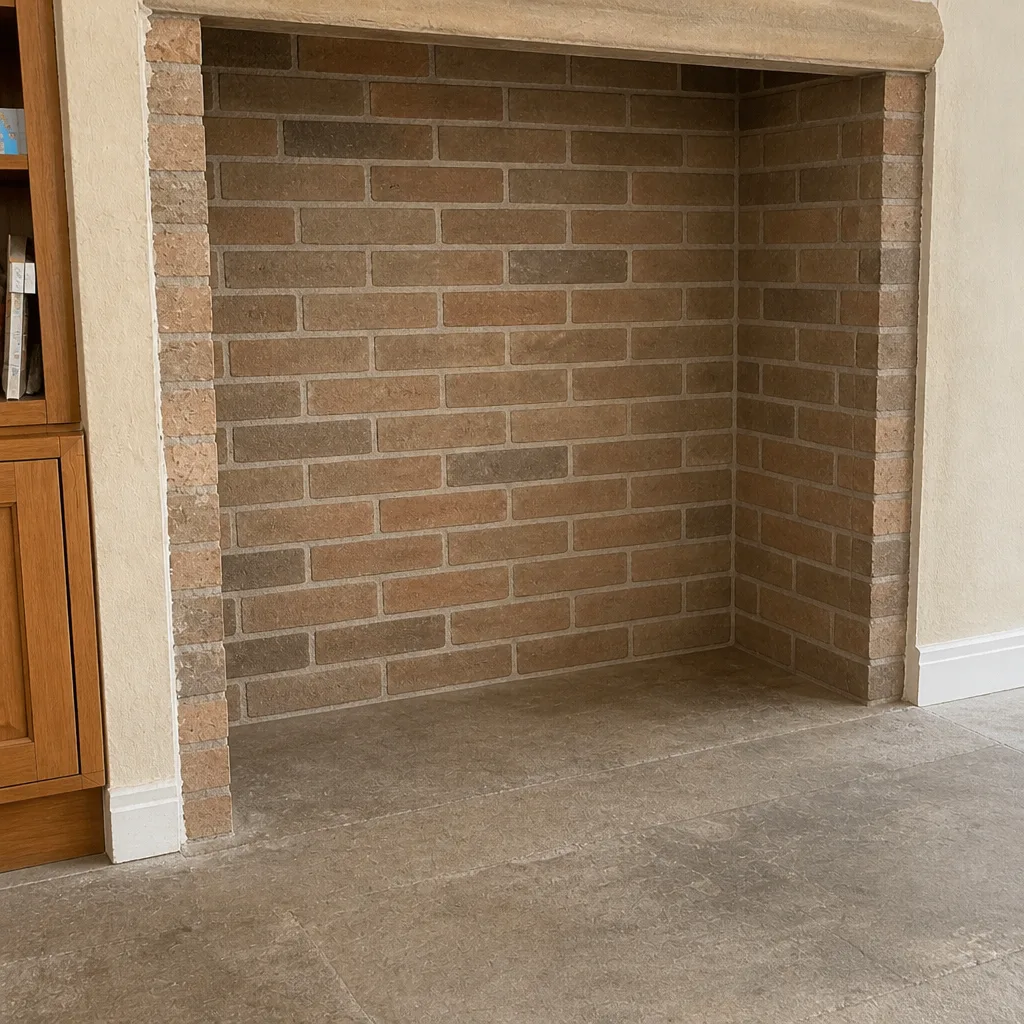
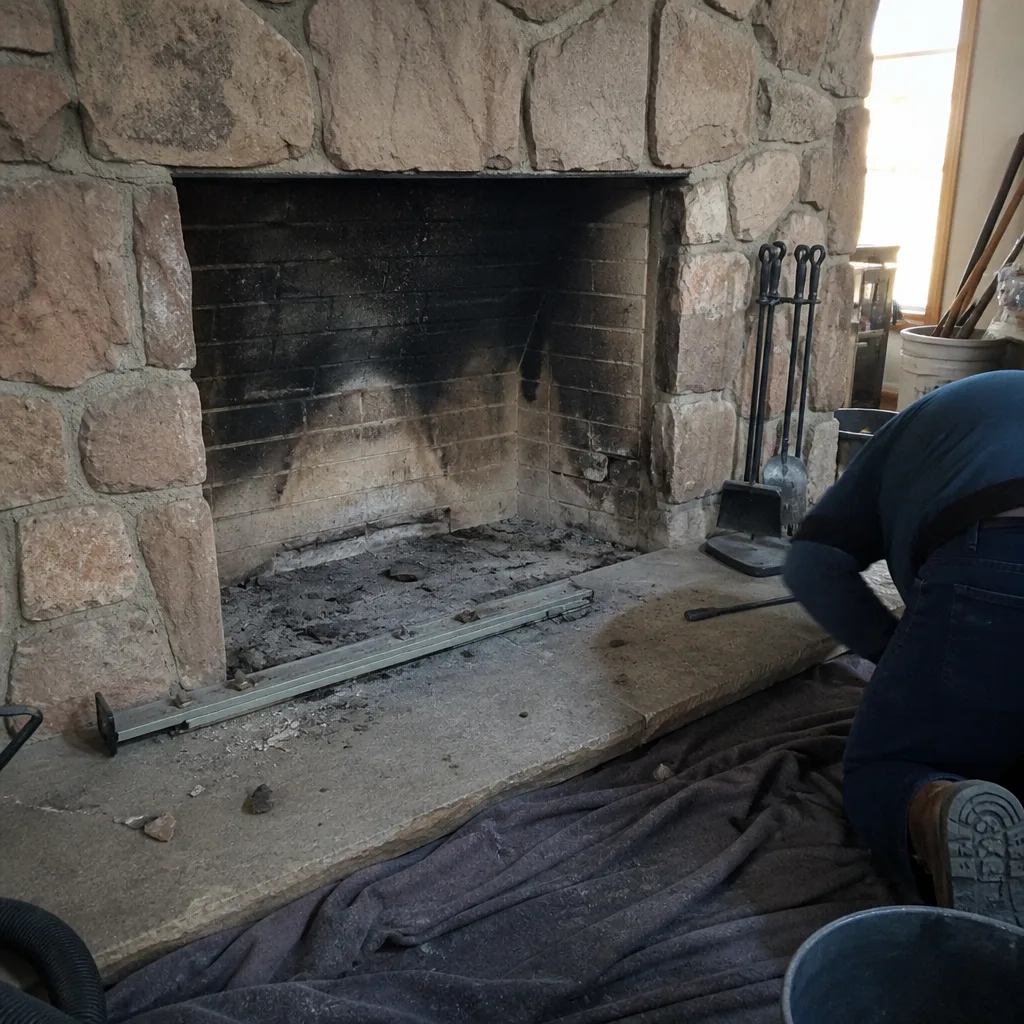
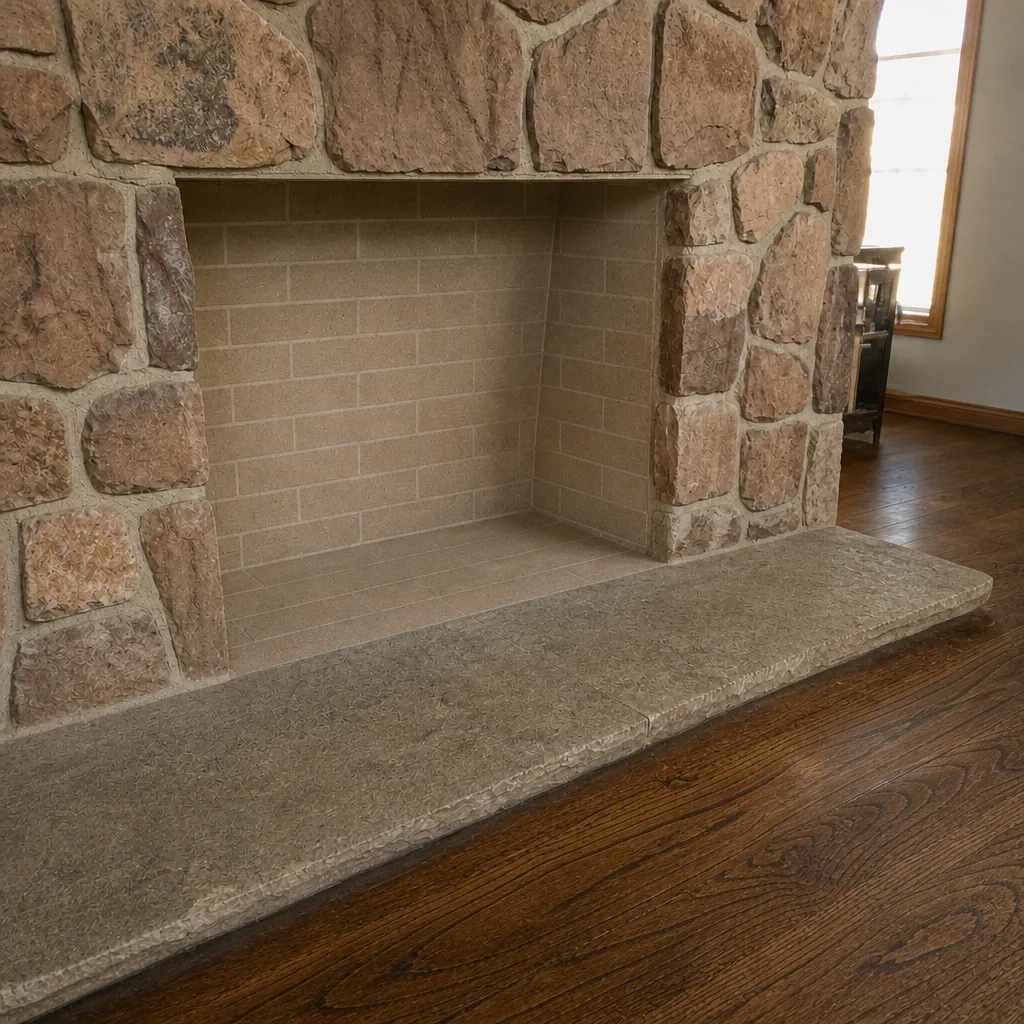
See the difference
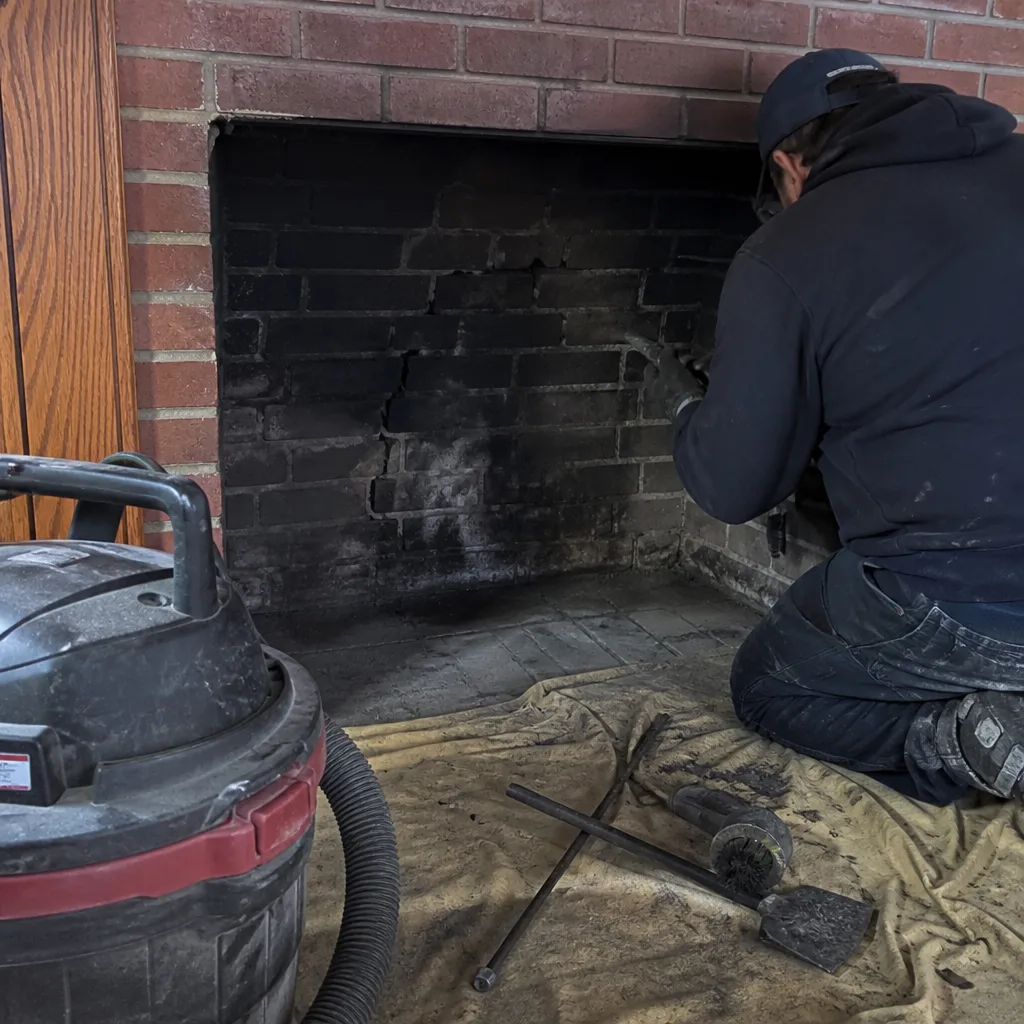 Before
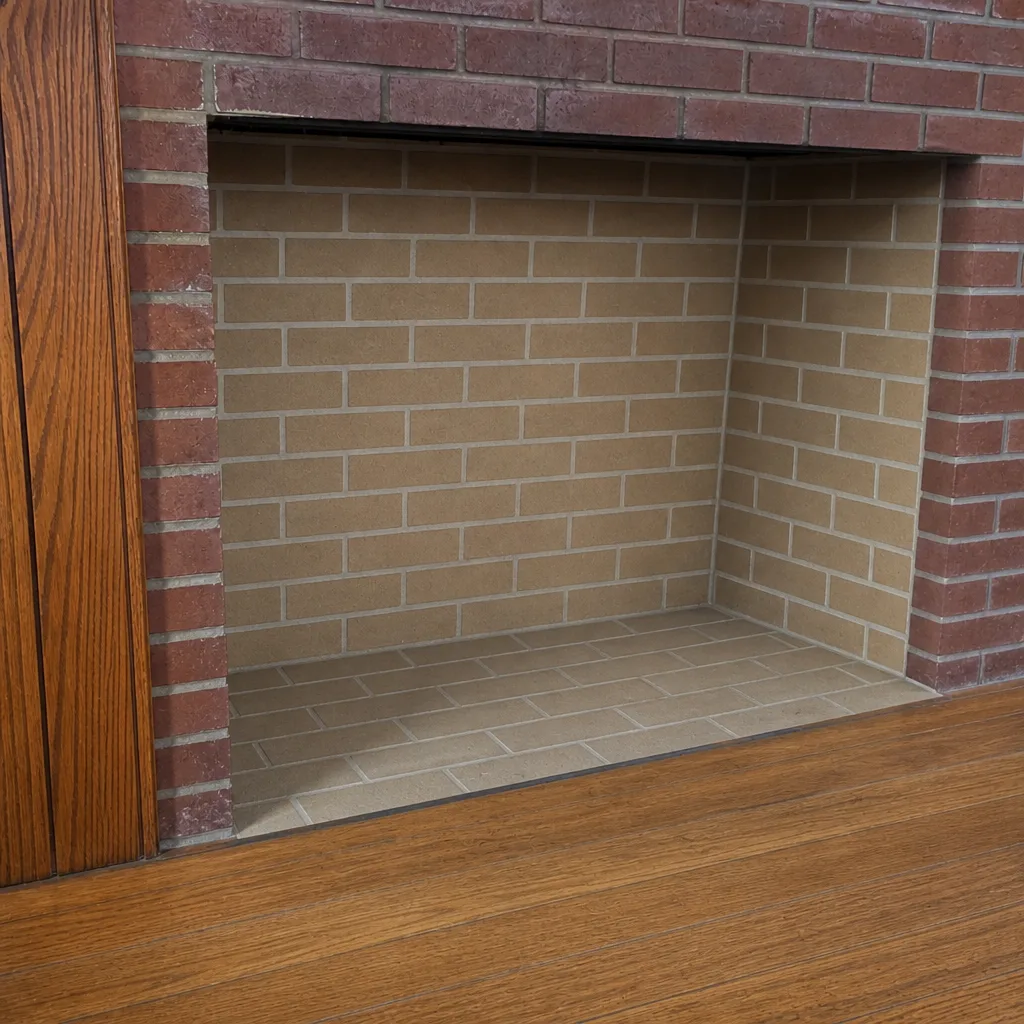 After
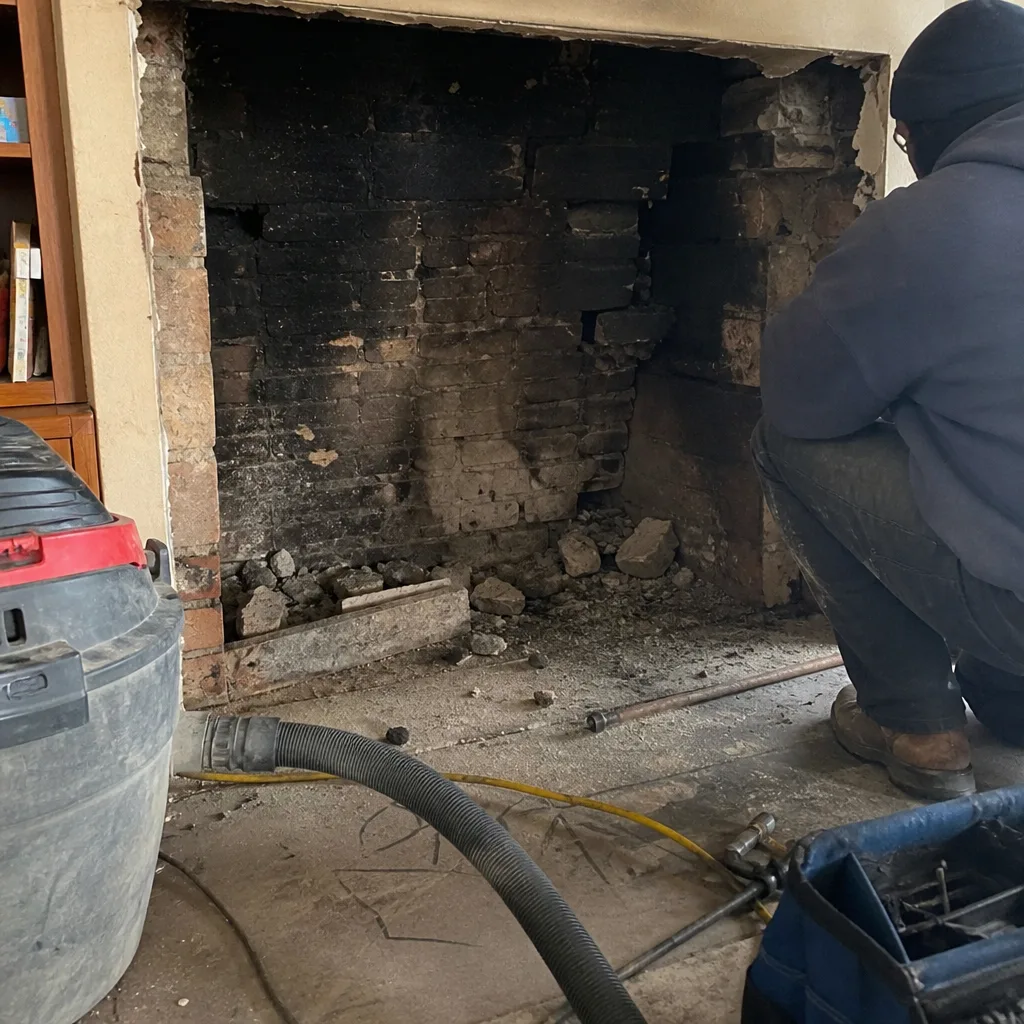 Before
 After
 Before
 After
When to Call a Professional
Some tasks in this schedule are for the calendar and some are for a trained professional. Call a professional if you’ve crossed the mid-season burn thresholds, if the fireplace smokes or smells more than usual, if you see cracked firebrick or loose mortar, or if the firebox shows white staining that suggests a moisture problem. Call before you burn if you haven’t had an inspection this season. Spring is the time to call about masonry and crown issues, before summer demand climbs. And call immediately if you smell gas or notice soot around the firebox. For gas lines, wiring, and the interior of the flue, do not attempt the work yourself; the safe and accurate way to assess those is a trained set of eyes with a camera. Chimney Sweep Hampden offers free estimates in Hampden, and the price is set per job by the written estimate. Call (833) 974-5720 to book.
Frequently Asked Questions
For a wood-burning fireplace, plan one full inspection and sweep each autumn before the first fire, and add a mid-season sweep if you burn through about two cords or run the fireplace most nights. Gas fireplaces need an annual service of the venting and burner but not a creosote sweep. If you’re not sure which applies, a licensed and insured local professional can set the right schedule. Call (833) 974-5720 for an exact quote – estimates are free.
September gives you the widest window to fix anything the inspection finds before the burning season. Booking later compresses your repair time and pushes fixes into the months you want the fireplace running. A fall inspection done in September sets the baseline for the whole winter. Call (833) 974-5720 to book a pre-season visit.
Only if you trip one of the usage triggers, such as burning about two cords or running the fireplace most nights for a couple of months. Light users who light a few fires a month can often wait for spring. If you’ve hit the thresholds, a mid-season sweep resets the creosote clock and rechecks the liner. Call (833) 974-5720 for an exact quote – estimates are free.
Keep the date, what was done, the creosote stage, the photos from the camera inspection, any repairs and materials used, and your rough burn history for the season. That log gives the next technician a documented baseline instead of starting from scratch. Keep it in a folder you’ll actually find again. Call (833) 974-5720 with any questions about your report.
No. A gas fireplace doesn’t collect creosote, so it isn’t swept like a wood chimney, but it still needs an annual inspection of its venting, burner, and logs. Gas units can develop venting problems that aren’t visible from the room. Don’t skip the annual gas service just because there’s nothing to sweep. Call (833) 974-5720 to book both systems together.
Spring, ideally in April or May. That’s when freeze-thaw damage is most visible, and treating masonry then lets you repoint and repair the crown before summer contractor demand peaks. Liner work planned in spring is finished well before the next October. Call (833) 974-5720 to set a spring appointment.
Creosote builds with every fire, and over a season it can reach a stage that’s harder to remove and worth addressing for safety. Freeze-thaw damage to the crown and masonry widens unchecked through the winter, and small problems become larger repairs. An annual inspection catches these while they’re small. Call (833) 974-5720 for an exact quote – estimates are free.
The Bottom Line
A once-a-year sweep is the floor, not the full picture. For a Hampden fireplace running October through April, the realistic plan is a September pre-season inspection, a mid-season sweep if your burn volume calls for it, and an April or May post-season visit that catches freeze-thaw damage and gets masonry or liner work done before summer demand peaks. Gas fireplaces run on their own annual service, separate from the wood schedule. Log every visit so the next technician has a real baseline. We inspect it, we fix it; no referrals, no second opinions needed, and nothing is recommended without camera evidence you can see for yourself.
Chimney Sweep Hampden covers the full system under one roof, from inspection and sweeping to cap and crown work, fireplace repair, and structural chimney repair. Our technicians have up to 14 years of experience, and we work with professional-grade brands like DuraFlex, HeatShield, Gelco, and Olympia Chimney. The estimate is free and the price is set per job by the written estimate.
Call (833) 974-5720. We answer 24/7. Fast dispatch from 7am to 7pm, Sunday through Friday.
Written by the team at Chimney Sweep Hampden.