
Last updated November 23, 2026
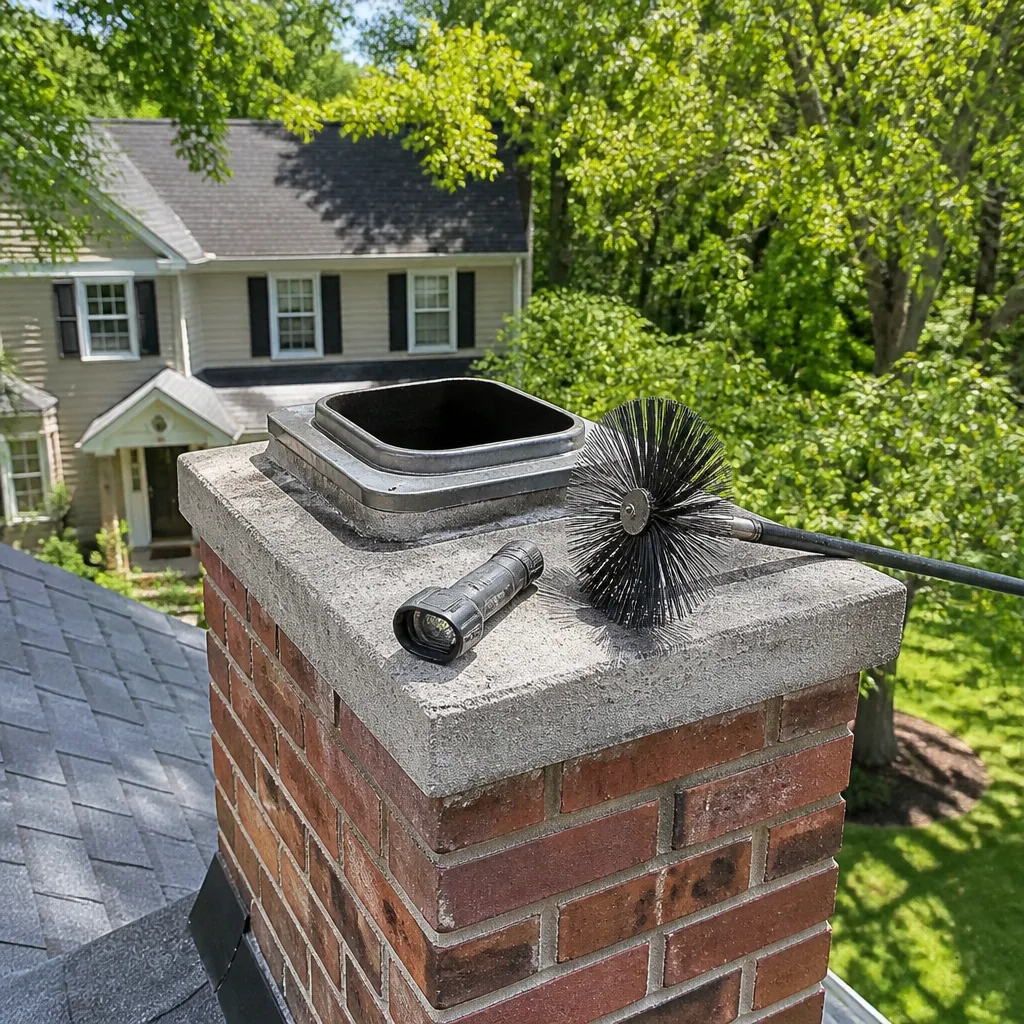 Sweep & inspection
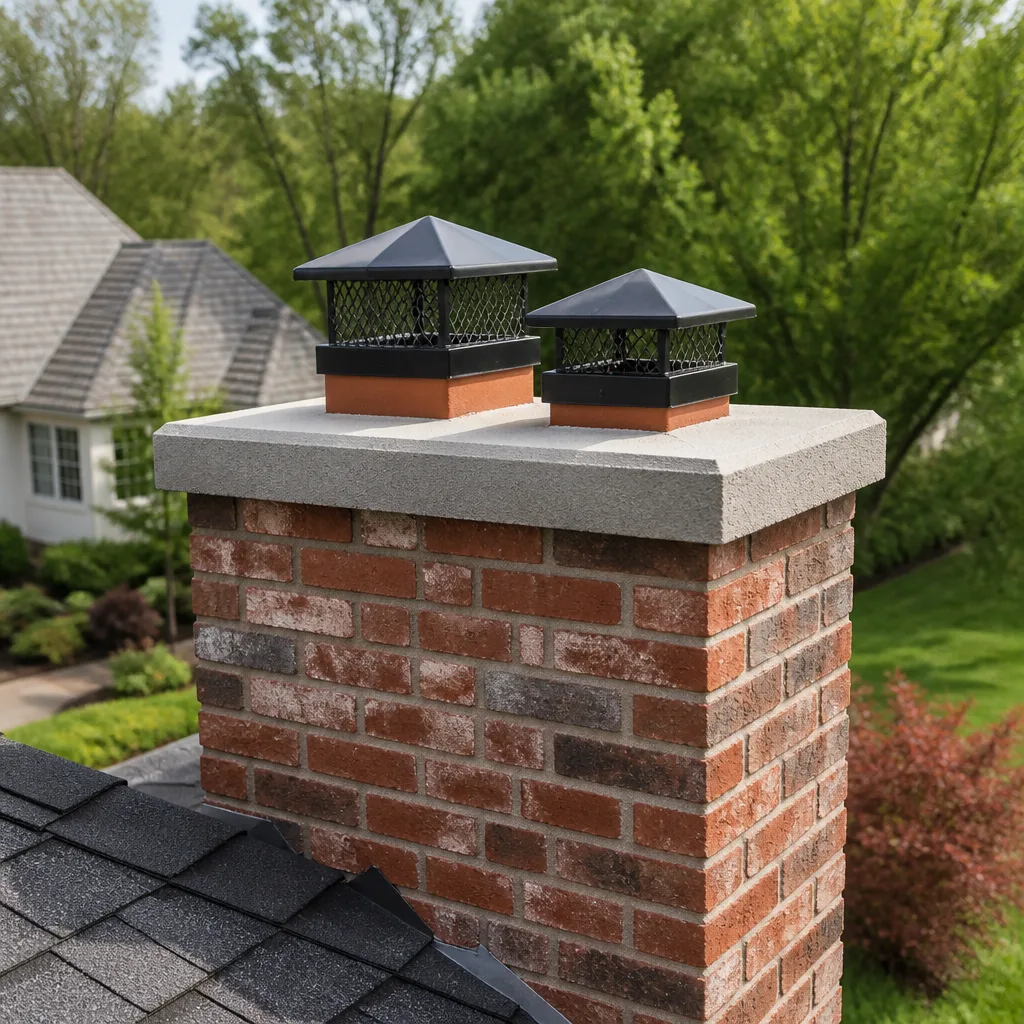 Caps & crowns
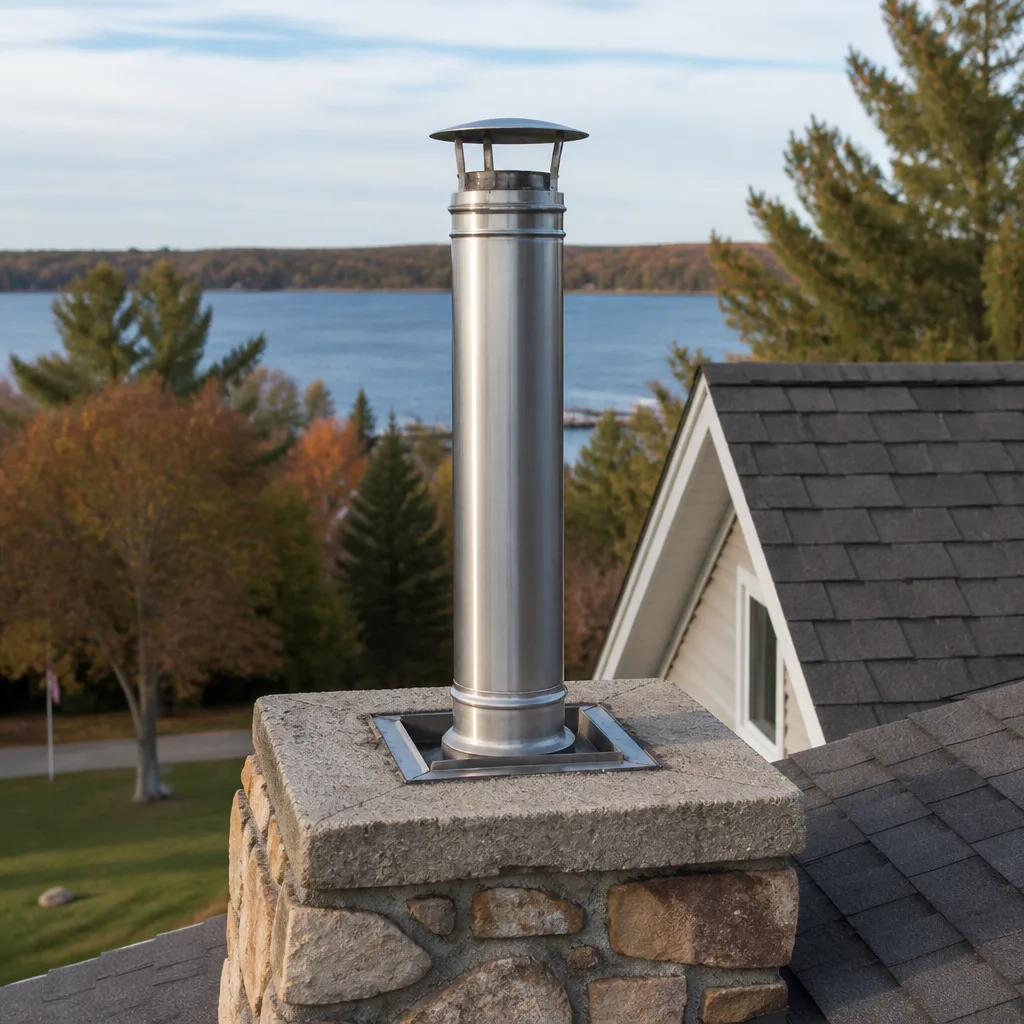 Flue relining
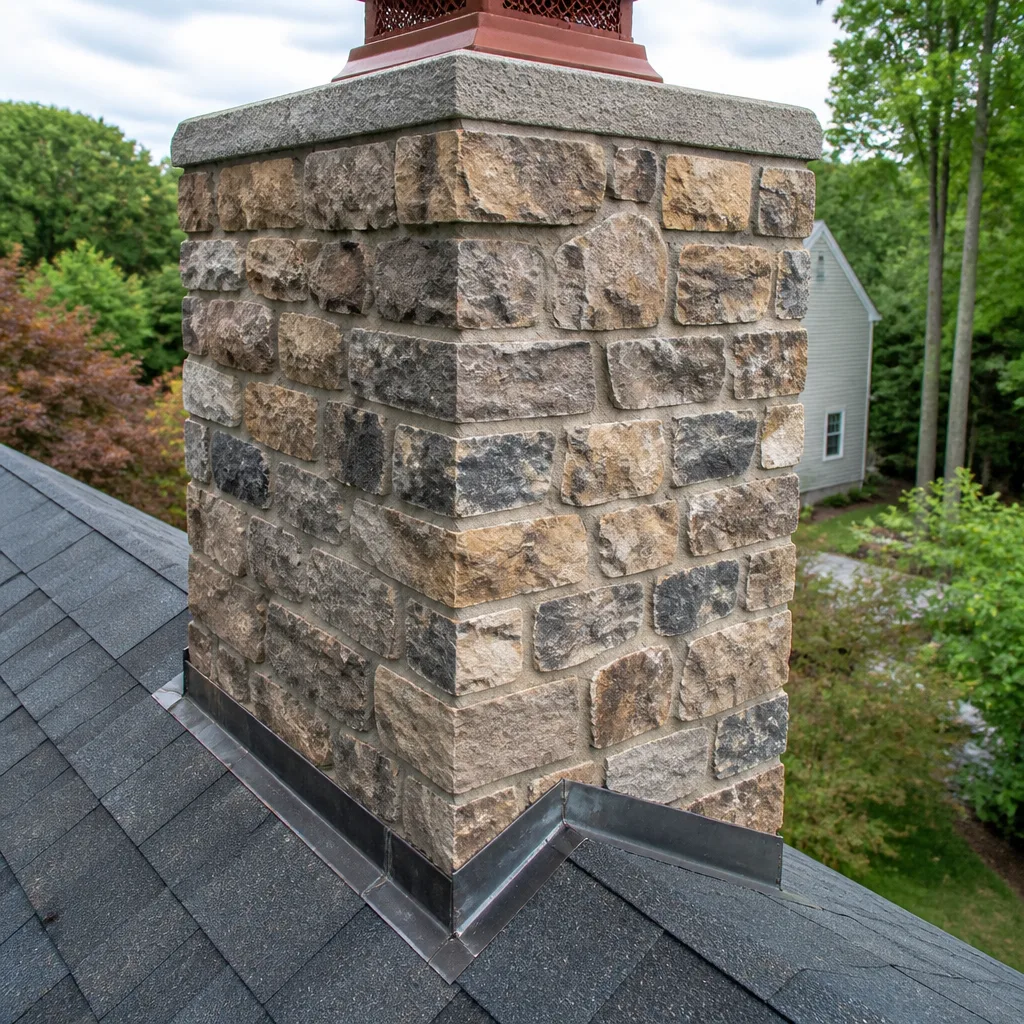 Masonry repair
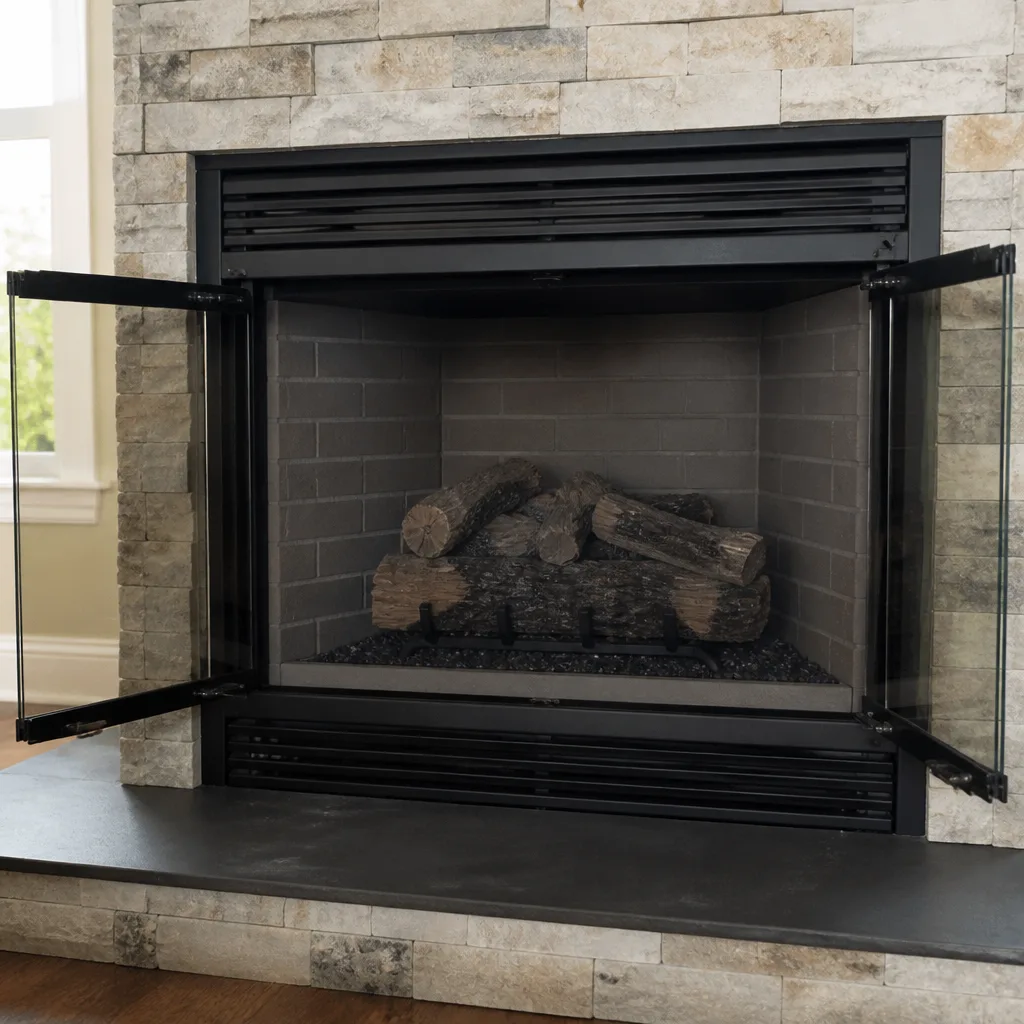 Gas fireplace service
Level 1 sweep and inspection to the NFPA 211 annual standard - flue, crown, cap, and flashing checked and photographed
Chimney sweep logs do not sweep chimneys. They loosen some creosote - which then falls where a brush and vacuum still have to collect it.
Seasonal Chimney Cleaning Care for Hampden: Year-Round Homeowner’s Guide
Most Hampden homeowners schedule their chimney sweep in October. It feels like the obvious choice: the leaves have turned, the first cold snap is coming, and the fireplace is about to earn its keep again. But October means you’re cleaning a flue that has spent an entire summer absorbing moisture and baking old creosote into a hard, stubborn glaze, and you’re doing it at the exact moment any needed repair work becomes hardest to schedule before the heating season. August is the better month, and there are technical reasons for that which have everything to do with how a chimney behaves in Hampden’s particular climate. This guide walks you through what actually happens to a chimney system here across all four seasons, why freeze-thaw cycles do more structural damage than peak winter use, and how to build a care calendar around Hampden’s real weather patterns instead of a generic annual schedule.
Quick Answer
In Hampden, the best time to schedule your annual chimney sweep is late summer, before the first fire of the season, not in the middle of fall. A dry, warm-weather flue releases creosote more easily, summer humidity has already stressed the masonry where it can be caught early, and there’s still time to complete any needed crown, flashing or liner work before heating season begins. Seasonal care here means paying attention to spring melt and fall freeze-thaw as much as to winter burning.
Styles & brands we work with
- Sweep & inspection
- Caps & crowns
- Flue relining
- Masonry repair
- Gas fireplace service
Table of Contents
- Why Hampden’s Climate Stresses a Chimney Differently
- Summer: Moisture Absorption and the Creosote Problem
- Fall: Freeze-Thaw Onset and the Case for August Cleaning
- Winter: Thermal Cycling and the Cold-Start Creosote Issue
- Spring: Post-Season Inspection After the Melt
- Month-by-Month Chimney Care Calendar for Hampden
- What a Proper Seasonal Sweep Involves
- Common Mistakes to Avoid
Why Hampden’s Climate Stresses a Chimney Differently
Hampden sits at elevation in Colorado, and that changes the physics of a chimney in ways that flatland chimney advice doesn’t account for. The swings are the story: warm afternoons that soften mortar, cold nights that contract it, and a shoulder season in spring and fall where the masonry crosses the freezing point repeatedly, sometimes more than once in a day. That cycle does more cumulative structural damage to a chimney than the cold of deep winter, because water expands when it freezes and works its way into every small crack and pore it can find.
Add elevation to the mix and you get thinner, less dense air. A chimney relies on the temperature difference between flue gas and outside air to create draft, and at altitude that pressure difference is smaller to begin with. It means draft is slower to establish on a cold start, and the fire spends longer in the smoldering, low-oxygen phase where creosote forms fastest. Homeowners in Hampden feel this as a fireplace that’s fussy to light and smoky at the start, and it’s a real chimney-dynamics issue, not a firewood problem.
What this means for care:
- Moisture is the primary enemy, not heat. Water entering at the crown or flashing, then freezing and thawing, drives most of the structural damage we see on Hampden-area chimneys.
- Shoulder seasons matter most. Spring and fall freeze-thaw cycles do more mortar and crown damage than the coldest weeks of winter.
- Draft is harder to build at elevation. Cold-start smoking is a symptom worth diagnosing, not ignoring.
- Summer isn’t downtime. It’s when humidity quietly sets up the conditions for harder creosote removal in the fall.
When we evaluate a chimney, we’re looking at all four seasons of stress at once: what the summer did to the masonry, what the winter burn left in the flue, and what the last freeze-thaw cycle opened up. That’s the difference between a quick sweep and a proper system evaluation. If you want that full assessment, Chimney Sweep Hampden handles it from inspection through repair.
Summer: Moisture Absorption and the Creosote Problem
Summer is the season most homeowners write off for chimney care, and it’s the season where the groundwork for fall problems gets laid. Two things happen simultaneously: the masonry absorbs moisture from humid air and afternoon storms, and the creosote left in the flue from last winter slowly cures into a harder, more brittle deposit that clings to the liner walls. By October, that creosote can be genuinely difficult to remove without aggressive mechanical sweeping, and aggressive sweeping is hard on an older flue.
The moisture side is the bigger long-term concern. Masonry is porous. Brick and mortar wick water in through the crown, around the flashing, and through any hairline crack that opened the previous winter. In Hampden’s summer, that water sits in the masonry, and when the first cold night of fall arrives, it freezes and expands. Repeat that enough times and small cracks become real ones. This is why chimney cap & crown work matters so much: the crown is the chimney’s roof, and a cracked or spalling crown is where most water gets in.
A few summer-specific tasks worth knowing:
- Check the crown for cracks and spalling. A crown that’s cracked or flaking is letting water straight into the masonry below.
- Confirm the cap is intact and screened. A missing or damaged cap lets rain, birds and debris into the flue all summer.
- Look at the flashing where the chimney meets the roof. Summer storms find weak flashing the same way winter ice does.
- Schedule your sweep for late summer rather than fall. A dry flue releases creosote far more cleanly than one that’s been sitting through a wet fall.
We install caps and crowns built to shed water for years, using professional-grade materials, because stopping moisture at the top of the chimney is cheaper than repairing the masonry underneath it. Catching the problem at the crown before it reaches the firebox is the whole game in this climate.
Fall: Freeze-Thaw Onset and the Case for August Cleaning
Fall is when the freeze-thaw cycle starts in earnest across the Hampden area, and it’s also the most popular month to book a sweep. That combination is the core problem this guide is trying to correct. Booking in October means you’re asking a technician to clean a flue that has just spent three months absorbing moisture, at the exact moment the masonry is entering its most vulnerable stretch, with repair work now competing for space before the heating season is fully underway.
Late summer cleaning, by contrast, is structurally superior for three concrete reasons. First, a dry, warm-weather flue releases creosote more readily, so the sweep is more thorough and gentler on the liner. Second, if the inspection turns up a cracked crown, damaged flashing or a deteriorating flue, there’s still time to complete the repair before the first fire, rather than sweeping around a problem and hoping it holds. Third, you remove the summer’s accumulated debris and any pest nests from the cap before they become a fall draft problem.
Here’s how the timing compares:
- Cleaning a dry, warm flue (late summer): creosote releases more easily, the sweep is more complete, the liner takes less mechanical stress.
- Cleaning a damp, cold flue (October): creosote is harder and more adhered, removal takes more effort, and any repair found now has less time before heating season.
- Repair scheduling: a late-summer inspection gives you a full shoulder season to complete crown, flashing or liner work without rushing.
The work itself is worth understanding. A proper chimney sweep isn’t just a brush down the flue. It’s a check of the smoke chamber, the damper, the firebox and the cap, because creosote builds unevenly and the places it hides are the places that matter. In a Hampden fall, we’re also looking at whether the crown survived the summer and whether the flashing is ready for the first freeze. That’s your chimney system, fully evaluated, not just swept.
Winter: Thermal Cycling and the Cold-Start Creosote Issue
Winter is peak burning season, and it brings its own stress: the flue heats and cools every time you light a fire and let it burn down. That thermal cycling is normal, but it works on the same cracks that freeze-thaw opened, widening them a fraction each time. The more interesting winter problem in Hampden, though, is the cold start.
When you light a fire in a cold, dense-air flue, the chimney is full of heavy air that has to be pushed out before draft can establish. During that lag, the fire is burning inefficiently, producing more smoke and more of the creosote-forming compounds that condense on the cooler flue walls. At Hampden’s elevation the draft is slower to establish to begin with, so the inefficient phase lasts longer than it would at sea level. Over a winter, those accumulated cold starts add up to measurably more creosote than the same number of fires lit into an already-warm flue.
What helps during the burning season:
- Warm the flue before lighting. A rolled newspaper held near the damper (never inside the firebox) helps establish draft before you add wood.
- Burn dry, seasoned wood. Wet wood produces more smoke and more creosote, and it’s the single biggest variable you control.
- Don’t smolder fires overnight. Long, slow, low-oxygen burns are the creosote factory. A clean, hot fire leaves less behind.
- Watch for smoke spilling into the room on startup. Persistent backdraft points to a draft or blockage problem worth investigating.
One hard safety note: never use a flammable liquid to speed up a cold start, and if you suspect a blockage or a damaged flue, stop burning and have it inspected before you light another fire. A restricted flue sends carbon monoxide back into the house instead of up the chimney. That risk is real and it’s the reason we recommend an inspection if anything about the draft feels wrong. Fireplace and flue safety is not a DIY area. If your firebox or damper needs attention, that’s fireplace repair territory, and it’s worth having a trained professional look before the next fire.
Spring: Post-Season Inspection After the Melt
Spring is when the winter’s damage shows itself. As snow melts and the freeze-thaw cycle finally releases its grip, the cracks that opened over the winter become visible, and that’s the moment to catch them before summer moisture gets in. A spring inspection is less about cleaning and more about diagnosis: what did this winter do, and what needs fixing before the next one.
The spring checklist we work through on a Hampden chimney:
- Inspect the crown for winter cracking. A crown that cracked over the winter is the most common source of spring water intrusion.
- Check the flashing after snowmelt. Ice and snowmelt work flashing loose, and a gap at the roof line lets water straight into the attic and framing.
- Clear debris from the cap after wind season. Spring winds pile leaves, twigs and grit against the cap and screen, which can block the flue opening.
- Look for spalling brick and crumbling mortar. Freeze-thaw that popped the face off a brick or crumbled a mortar joint is a repair-signal, not a cosmetic issue.
- Check the firebox and damper for winter wear. A damper that no longer seats or a firebox with cracked refractory is worth addressing before next season.
- Note any interior staining or musty smell. Water finding its way down the flue often shows up inside the house first.
This is also the season when a sweep’s findings carry the most value, because you have months to plan the work rather than scrambling in October. If the inspection finds a deteriorated flue liner, we can talk through options: a full reline with a DuraFlex flexible liner system, or HeatShield resurfacing for a liner that’s deteriorating but still structurally sound. That second option restores the flue without full replacement, and it’s a solution most sweep-only companies simply can’t offer. We inspect it, we fix it, no referrals and no second contractor.
Month-by-Month Chimney Care Calendar for Hampden
Here’s a calendar built around Hampden’s actual fire season and weather patterns rather than a generic annual reminder. The exact timing shifts with the year, but the sequence holds.
Spring (March through May)
- Schedule the post-season inspection once the snow is off the roof.
- Check the crown for winter cracking and the flashing for snowmelt damage.
- Clear debris from the cap after the windy stretch.
- Plan any masonry, crown or liner repair for the drier months ahead.
Summer (June through August)
- Get the annual sweep done in late summer, before the first fire.
- Have the flue inspected for cracks that summer humidity is exploiting.
- Complete crown, cap and flashing repairs while the weather is dry and work can cure properly.
- Address any liner deterioration found during inspection, while there’s time before heating season.
Fall (September through November)
- Confirm the sweep is done and any repairs are complete before the first fire.
- Have the chimney checked as freeze-thaw begins, especially the crown and mortar joints.
- Test the draft on a dry run before relying on the fireplace for heat.
- Book now if you haven’t, rather than waiting for the October rush.
Winter (December through February)
- Burn dry, seasoned wood and avoid long smoldering overnight fires.
- Watch for smoke spilling into the room and stop burning if draft feels wrong.
- Keep the cap clear of snow and ice where you can safely see it.
- Note any signs of water or staining to raise at the spring inspection.
The through-line is that late summer is your anchor appointment, and spring is your diagnostic one. Everything else is monitoring. That rhythm is built for Hampden specifically, and it beats an annual reminder set to October every time.
What a Proper Seasonal Sweep Involves
A seasonal sweep done right is a sequence, not a single action, and understanding it tells you whether you’re getting a real inspection or just a brush. When we evaluate a chimney in Hampden, the process runs from the firebox to the crown.
- Firebox and damper check. We look at the firebox for cracked refractory, the damper for a proper seal, and the smoke shelf for buildup.
- Flue and smoke chamber inspection. A camera inspection lets us see the full length of the flue and the condition of the liner, which matters most on older masonry chimneys where the liner may be cracked or mismatched.
- Mechanical sweep of the flue. Creosote is removed with the right tools for the deposit type, so a hard glaze gets different treatment than a light soot layer.
- Crown, cap and flashing evaluation. This is where moisture problems are caught, and where repair work is often needed before the next season.
- Written report with photos. You see what we saw, in photos, and we tell you plainly what needs fixing now and what can safely wait.
That last point matters more than anything. The real hesitation homeowners have is being told they need thousands of dollars of liner or masonry work with no way to verify it. So we don’t recommend anything we can’t show you in a photo. If the crown has a surface crack that isn’t yet letting water in, we’ll tell you it can wait. If the liner is genuinely deteriorated and unsafe, you’ll see the evidence that says so. For a liner that’s deteriorating but not yet failed, HeatShield resurfacing restores the flue without full replacement, and for those that are too far gone, we install DuraFlex flexible liner systems. Either way, it’s one point of contact from diagnostic through completed repair.
We work with the professional product brands chimney specialists rely on, including Famco, Copperfield, DuraFlex and HeatShield, because the materials are half the job. Built to last, not patched to pass.
Common Mistakes to Avoid
- Booking the sweep in October. The most popular month is the worst-timed one. You’re cleaning a damp, cured flue at the moment repair scheduling gets tight.
- Treating summer as downtime. Leaving the crown and flashing unchecked through a humid Hampden summer lets moisture work into the masonry where freeze-thaw will finish the job in fall.
- Assuming a cracked crown is cosmetic. It’s the leading entry point for the water that drives expensive structural chimney damage. Catching it at the crown is the whole point.
- Smoldering fires for longer burn times. In Hampden’s altitude, low-oxygen smolder is where creosote forms fastest. A clean, hot fire leaves less behind than a long, smoky one.
- Skipping the post-season inspection. Spring is when winter damage shows up. Skipping it means discovering the damage in fall, when there’s no time to fix it before the fire.
- Assuming a sweep and an inspection are the same thing. A brush down the flue doesn’t tell you whether the liner, crown or flashing are intact. A full system evaluation does.
- Ignoring draft problems. Smoke spilling into the room or a fire that’s hard to light at altitude can signal a blockage or flue damage worth a professional look before the next fire.
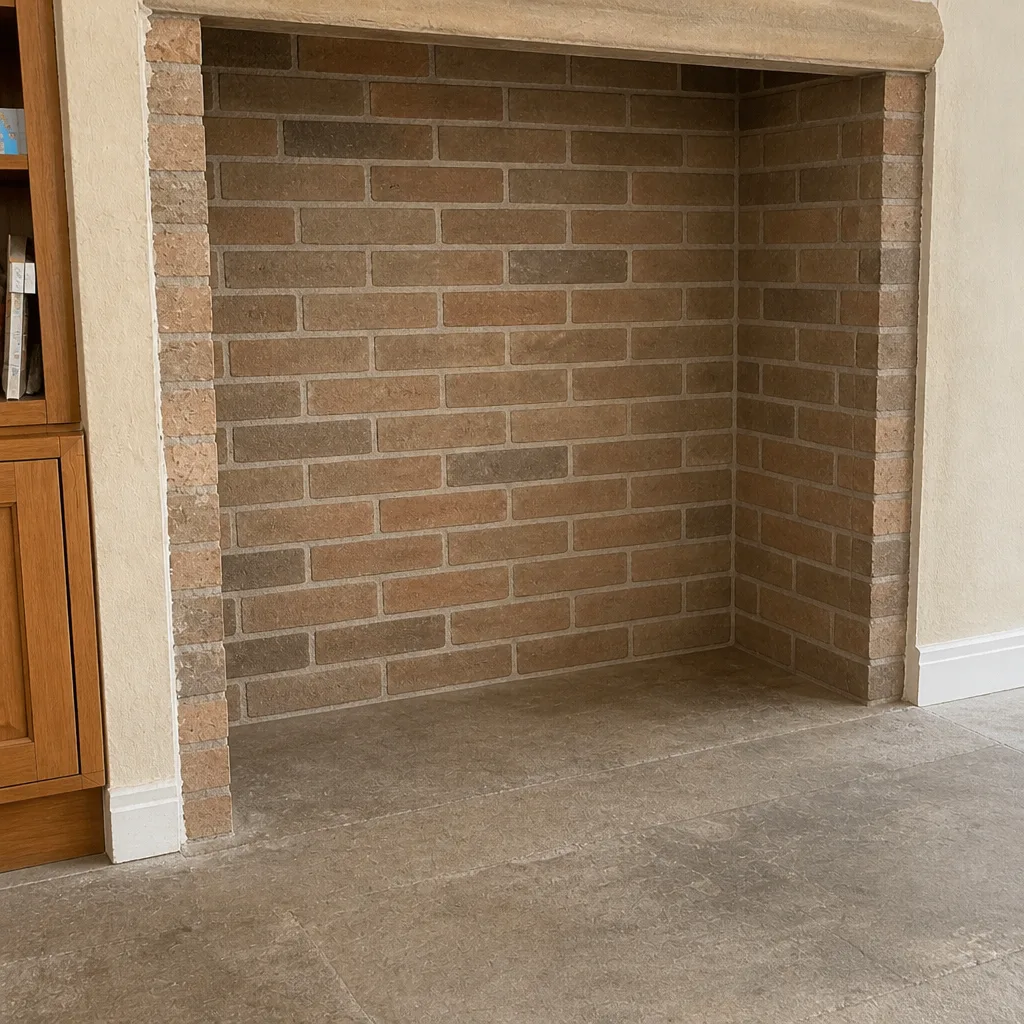
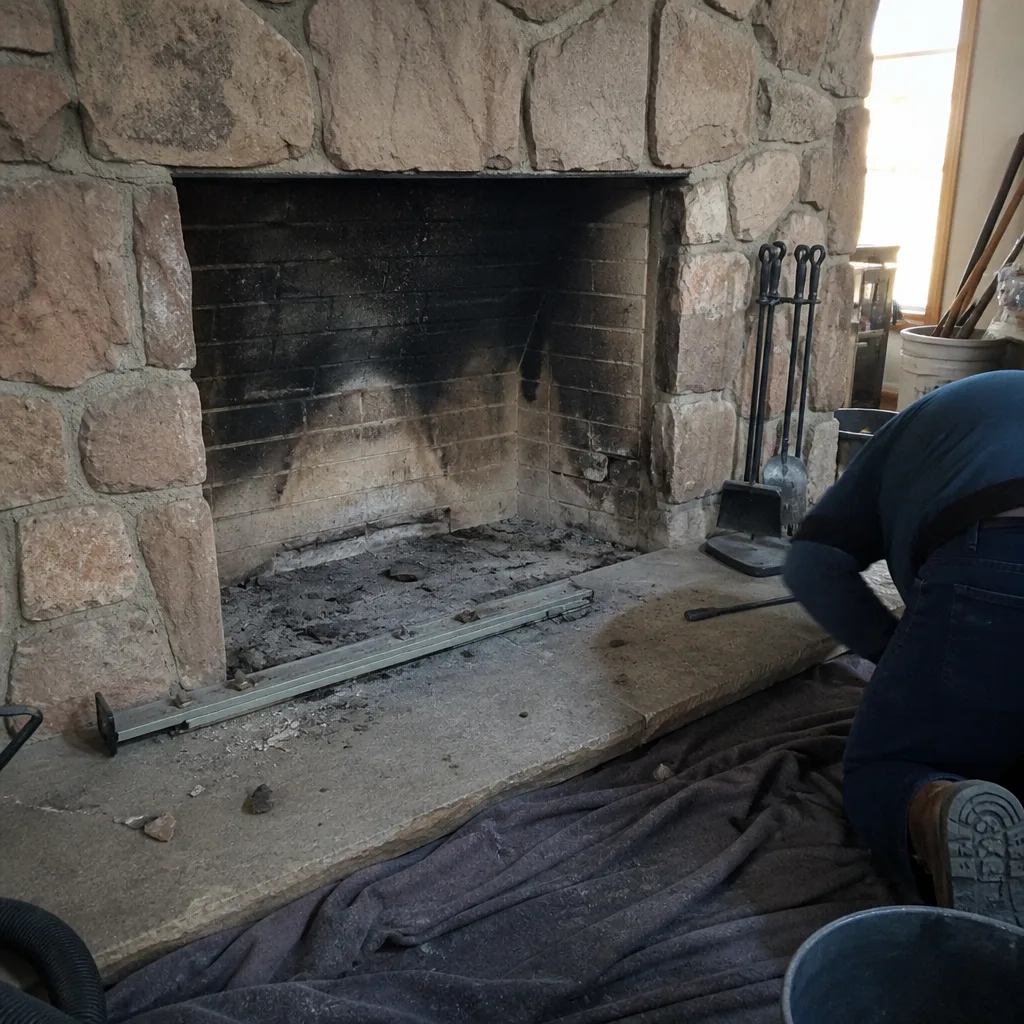
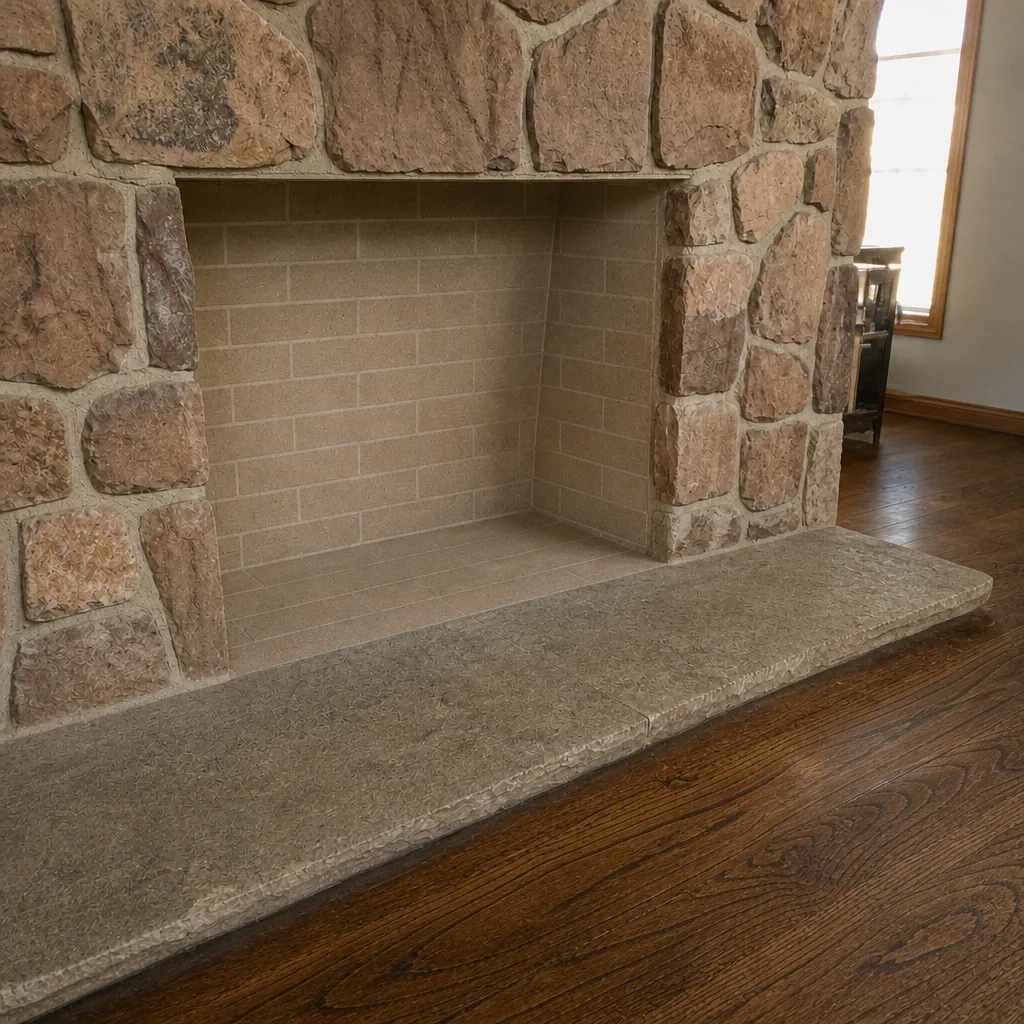
See the difference
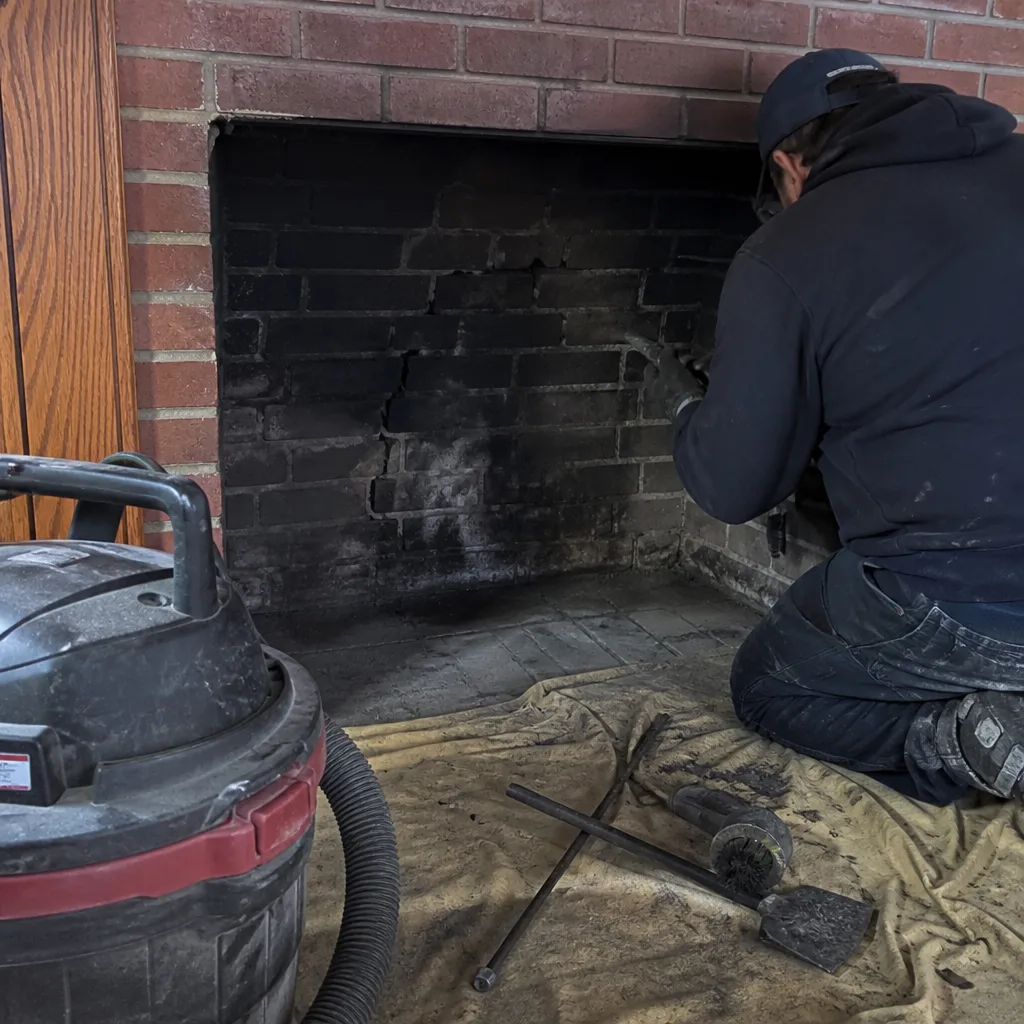 Before
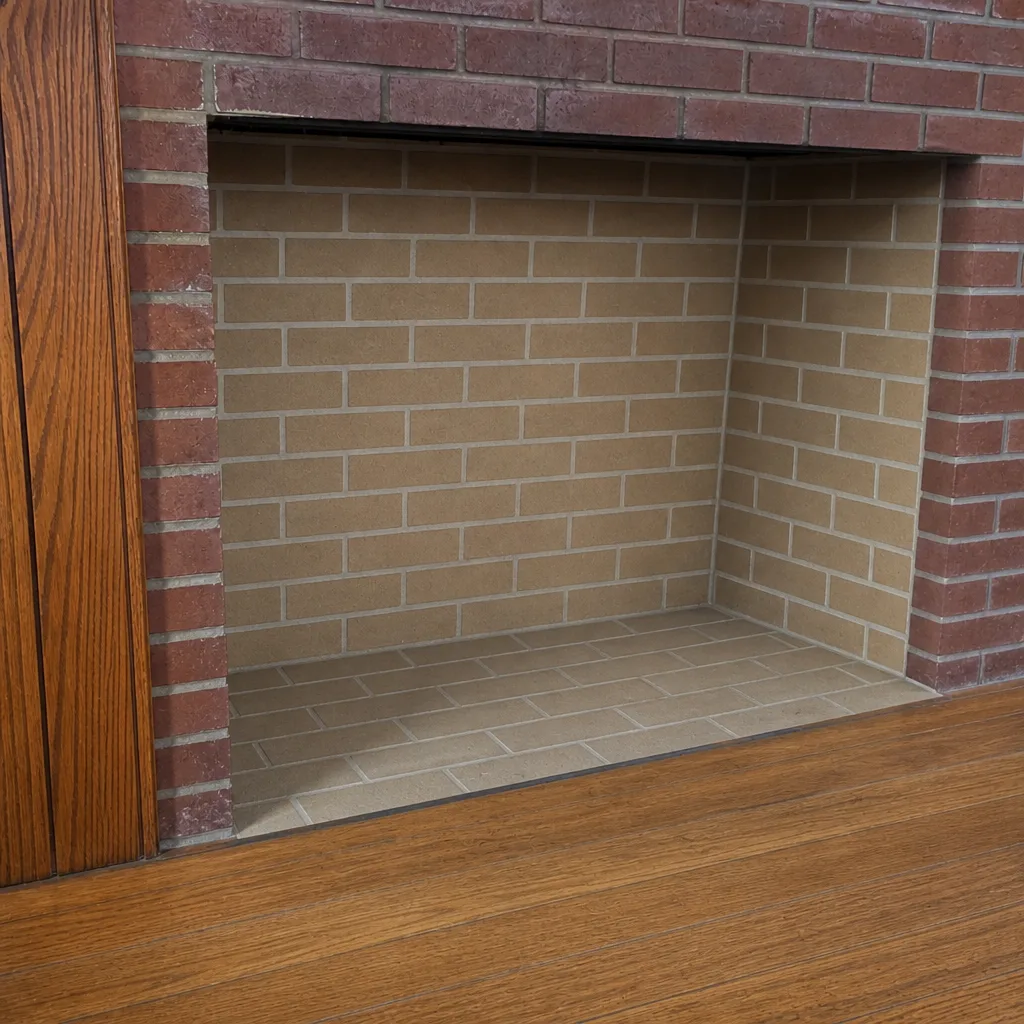 After
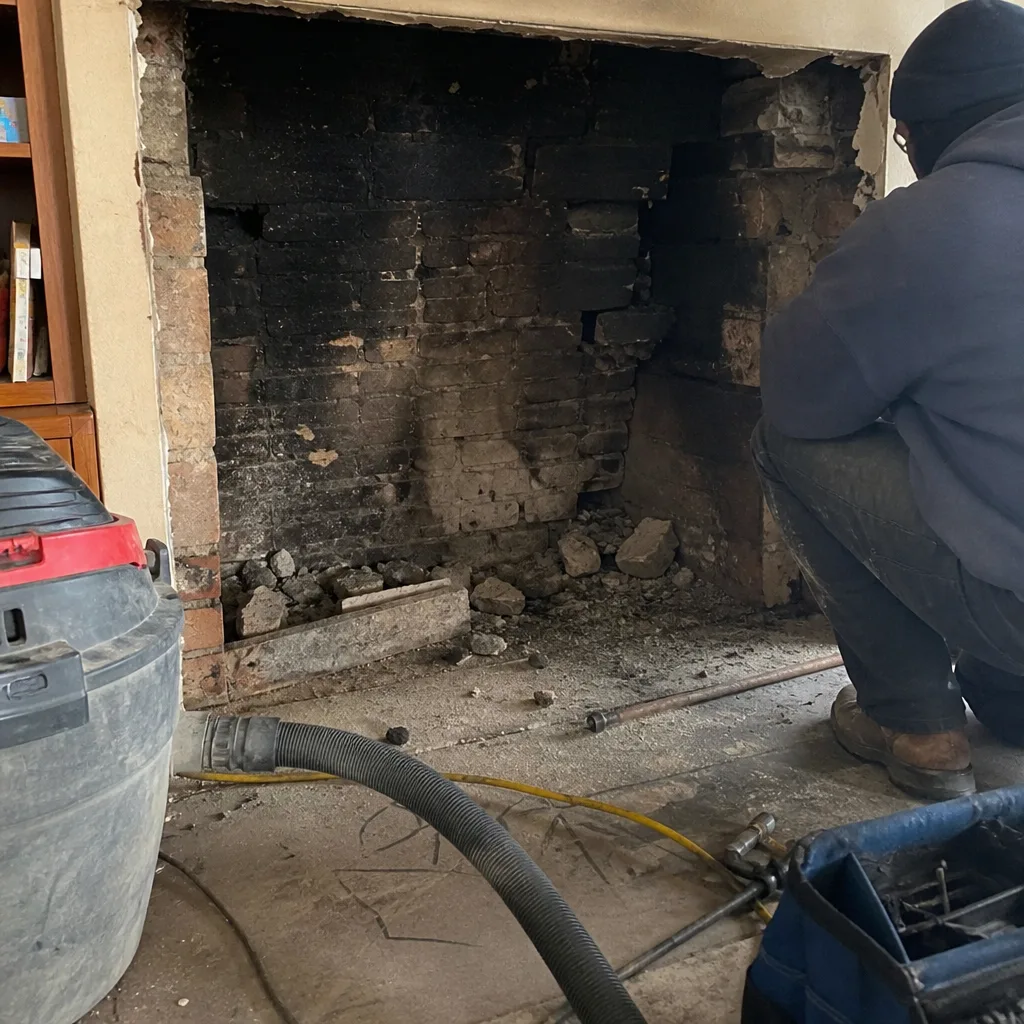 Before
 After
 Before
 After
When to Call a Professional
Some chimney situations are routine maintenance and some need a trained eye before you light another fire. Call a professional if you find cracked or spalling brick, crumbling mortar, a cracked crown, loose flashing, or any interior staining or musty smell that suggests water is getting in. Call if smoke spills into the room on startup, if the damper no longer seats, or if you notice cracked refractory inside the firebox. And call if it’s simply been a while and you don’t know the condition of the flue. Chimney Sweep Hampden offers free estimates in Hampden. Call (833) 974-5720. We answer 24/7. Fast dispatch from 7am to 7pm, Sunday through Friday, closed Saturday. Nothing gets recommended without camera evidence you can see for yourself, and we’ll tell you plainly when work can wait.
Frequently Asked Questions
Late summer, before the first fire of the season, is the best time in Hampden. A dry, warm-weather flue releases creosote more easily, summer moisture damage is caught before fall freeze-thaw makes it worse, and there’s still time to complete any needed repair before heating season. Call (833) 974-5720 for an exact quote. Estimates are free.
A routine chimney sweep is typically quoted as a flat price agreed before booking, and any repair or liner work is priced separately by written estimate after the inspection. We don’t want you guessing, so the flat-price sweep is agreed before we book and the written estimate sets the final price on any repair. Call (833) 974-5720 for an exact quote. Estimates are free.
It’s the freeze-thaw cycle, not the deep cold, that does the most structural damage in Hampden. Spring and fall cross the freezing point repeatedly, working water into every crack and joint, and summer humidity sets the stage by keeping the masonry moist. That’s why our care calendar leans on late-summer cleaning and spring inspection rather than a single October sweep.
Skipping a season means moisture and creosote keep working on the system unchecked. Water sitting in the masonry through the freeze-thaw cycles can turn hairline cracks into real ones, and creosote left in the flue cures harder and becomes more difficult to remove safely. A restricted or damaged flue also raises carbon monoxide risk. Call (833) 974-5720 and we’ll tell you honestly whether your chimney can safely wait. Estimates are free.
Not every deteriorated flue needs a full reline. If the liner is deteriorating but still structurally sound, HeatShield resurfacing restores it without full replacement. If it’s too far gone, we install a DuraFlex flexible liner system. We only recommend either when the camera inspection shows the evidence, and you’ll see the photos yourself before anything is decided.
Yes. Water entering at the crown and flashing is the leading driver of long-term structural chimney damage, and it’s the source of most of the moisture problems we find on Hampden chimneys. Repairing or installing a proper cap and crown addresses the cause, not just the symptom, which is why we treat it as a core part of seasonal care rather than an upsell.
Ready for a proper evaluation of your chimney system? Call (833) 974-5720 for a free estimate from Chimney Sweep Hampden. We answer 24/7, with fast dispatch from 7am to 7pm, Sunday through Friday, closed Saturday. Our technicians have up to 14 years of experience, and we handle everything from the seasonal sweep through cap and crown, liner restoration and structural repair, so it’s one point of contact from inspection to done.
Written by the team at Chimney Sweep Hampden.